Understanding Hail Damage on your roof and Its Impact
When hail strikes, it can leave behind clear or subtle signs of roof damage. Recognizing hail damage early can prevent further issues and protect your home’s structural integrity.
Signs of Hail Damage on your roof with Asphalt Shingles
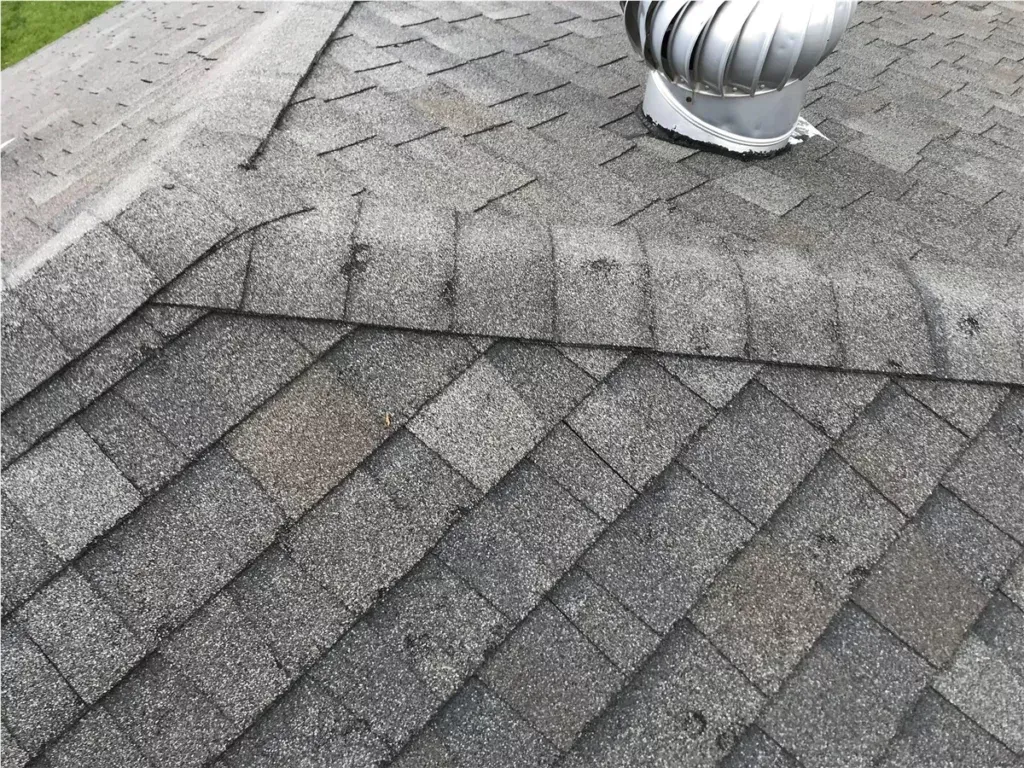
Hail damage on shingles may appear as dents or dings, particularly on softer metals like vents and gutters. Small, less visible damage on shingles may still compromise their longevity.
- Visible Indicators:
Dents, granule loss, or dark spots
- Subtle Signs:
Dings on vents, flashing, or soft metals
It’s advisable to avoid walking on your roof due to safety risks and potential further damage. Instead, assess collateral damage on ground-level features like screens, downspouts, and AC units, which may indicate possible hail impact on the roof.
Assessing the Hail Damage on your Roof
Hail’s size and density largely determine the damage level. Large hailstones over an inch are more likely to cause visible damage, while smaller hail may still reduce shingle lifespan.
- Hail Size:
1” or larger typically results in substantial damage
- Roof Condition: Weaker or aged roofs may be more susceptible
Even minor dents can impair the roof’s integrity over time, making it essential to address these signs promptly.
Roof Damage and Insurance: Will Your Policy Cover Repairs?
Insurance coverage for hail damage varies by policy. Understanding Actual Cash Value (ACV) versus Replacement Cost Value (RCV) policies can clarify what to expect in terms of coverage:
- ACV Policies: Provide depreciated payout, covering less than replacement costs
- RCV Policies: Cover repair or replacement costs with a potential reimbursement for depreciation after repairs
Consider discussing your policy with an expert to determine your coverage. 180 Contractors Roofing and Siding in Waterford, MI, emphasizes proactive inspections to help clients make informed decisions about roof health and necessary claims.
When Should You File a Claim?
Timely filing is essential. Many policies allow up to a year from the storm date to submit claims. Verify with your insurance company for specifics and understand any limitations based on the size and extent of the damage.
Preventing Further Roof Issues After Hail
To mitigate potential issues, consider routine inspections and prompt repairs. Minor dents left untreated can lead to leaks and other structural issues over time. By addressing hail damage early, you can extend your roof’s life and avoid costly repairs.
Conclusion
Identifying and addressing hail damage on your roof or siding promptly can prevent extensive roof issues, ensuring the longevity and safety of your home. A professional inspection after a storm can determine if a claim is necessary, and knowing your insurance policy’s details can save you from unexpected expenses.