Understanding Siding Terminology for a Smart Investment
Siding replacement is a significant home improvement project that enhances both curb appeal and structural integrity. However, homeowners often find themselves overwhelmed by industry jargon, making it difficult to communicate with contractors or choose the best materials. This guide breaks down 25 essential siding terms, helping you make informed decisions for your next project.
Common Siding Styles
Siding comes in various styles, each offering unique benefits in terms of aesthetics, durability, and installation.
1. Lap Siding
Lap siding consists of horizontal boards that overlap, creating a weather-resistant and visually appealing design. This style is commonly used in fiber cement, wood, and vinyl siding.
2. Tongue and Groove
This interlocking siding system features a protruding “tongue” on one board that fits into a matching “groove” on another, ensuring a seamless connection.
3. Board and Batten
Board and batten siding consists of wide vertical boards with narrow battens covering the seams. It is a popular choice for rustic and farmhouse-style homes.
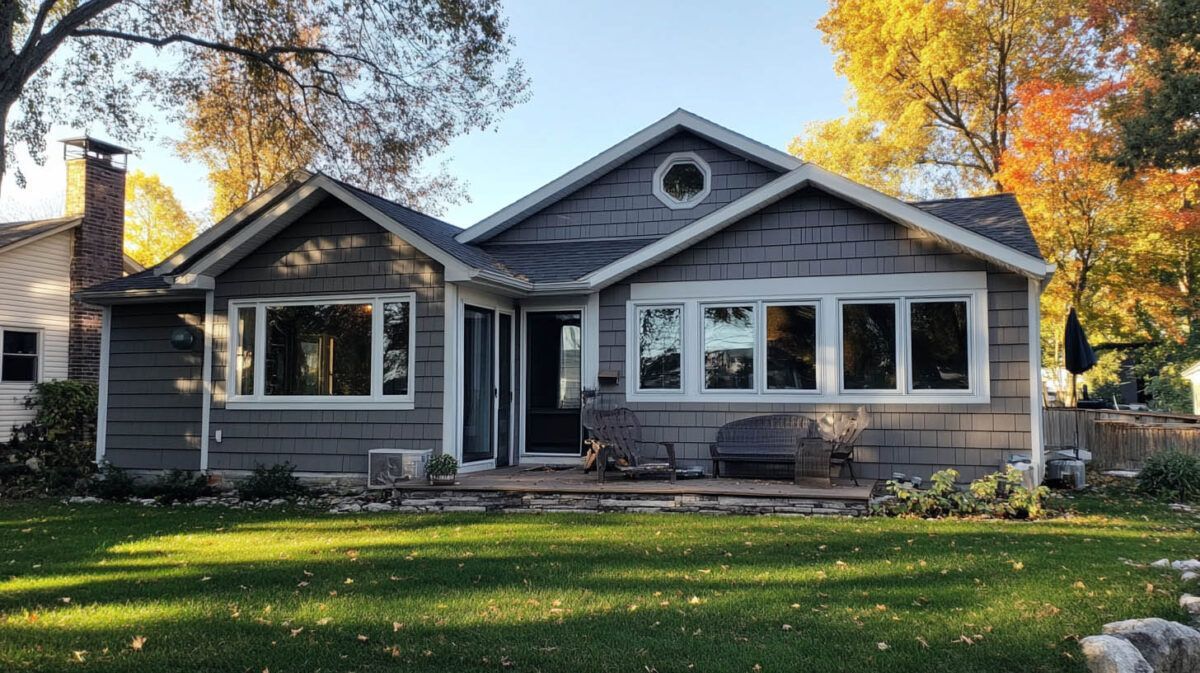
4. Shingle Siding
Shingles are small, rectangular pieces of wood, fiber cement, or vinyl. They often have a textured surface and can be staggered for a unique look.
5. Shake Siding
Similar to shingles, shakes are split rather than sawn, resulting in a rougher texture that adds depth to a home’s exterior.
Key Components of Siding
Knowing the individual parts of siding can help homeowners understand installation techniques and identify potential issues.
6. Face
The face refers to the visible side of the siding after installation. It determines the exterior appearance of the home.
7. Starter Strip
This is a horizontal strip attached to the bottom of a wall, securing the first row of siding in place.
8. Buttlock
The bottom edge of a siding panel that interlocks with the panel below it, ensuring a secure fit.
9. Miter Joint
A type of joint where two pieces of siding or trim meet at a 90-degree angle, commonly used in corners.
10. Caulking
A flexible sealant used to fill gaps between siding panels, preventing water infiltration.
11. Gauge
The thickness of a siding material, which impacts its durability and insulation properties.
12. Exposure
Refers to the portion of the siding panel that remains visible after installation.
13. Weep Holes
Small drainage holes intentionally added to siding panels to allow moisture to escape, preventing damage.
14. Nailing Hem
The upper portion of a siding panel where nails or fasteners are placed during installation.
15. Course
A single row of siding panels installed horizontally or vertically across a wall.
16. Corner Trim
A finishing piece used to cover and protect the exposed edges where siding panels meet at corners.
Additional Siding Components
Siding is more than just exterior panels—it includes structural and protective layers.
17. Backer Board (Sheathing)
A foundational layer, often made of plywood, that provides a flat surface for siding installation.
18. Underlayment
A protective material installed between the backer board and siding to prevent moisture infiltration.
19. Channel
A groove or recess in trim pieces where siding panels are inserted to secure them in place.
20. Frieze Board
A horizontal trim piece that covers the seam between siding and soffits, often used for decorative purposes.
21. Soffit
The underside of an overhanging roof, often ventilated to improve attic airflow and moisture control.
22. Wind Load
A measurement of how well siding can withstand high winds, an important factor in storm-prone areas.
Common Siding Problems to Watch For
Understanding potential siding issues can help homeowners recognize when a replacement is needed.
23. Checking
Small cracks that develop in wood siding due to expansion and contraction over time.
24. Face Nailing
A poor installation practice where nails are driven directly into the face of the siding, making it more prone to damage.
25. Cupping
A condition where siding panels warp, causing them to curve outward or inward, often due to moisture damage.
Choosing a Trusted Siding Contractor
When selecting a siding contractor, it’s crucial to work with experienced professionals who use high-quality materials and adhere to industry standards. 180 Contractors Roofing & Siding, located in Troy, MI, is a trusted provider of premium siding solutions. With certifications from BBB A+ accredited, Guildmaster (GuildQuality), INC 5000, Google Guaranteed, and Qualified Remodeler Top 100 Satisfaction, we ensure top-tier craftsmanship. We partner with leading brands such as James Hardie, Alside, and Everlast to deliver durable and aesthetically pleasing siding options.
Frequently Asked Questions
How do I choose the best siding material for my home?
Consider factors such as durability, maintenance, climate suitability, and aesthetic preference. Popular options include fiber cement, vinyl, wood, and composite siding.
How long does siding replacement take?
The timeline varies based on the size of the home, material selection, and weather conditions, but most projects take between 1-2 weeks.
What is the best way to maintain my siding?
Regularly clean siding with mild detergent and water, inspect for cracks or warping, and repaint or reseal as needed.
Can new siding improve my home’s energy efficiency?
Yes, high-quality siding with proper insulation can reduce heat loss, lowering energy bills and enhancing indoor comfort.
What are signs that my siding needs replacement?
Common indicators include warping, cracking, mold growth, peeling paint, and increased energy bills due to poor insulation.
Conclusion
Understanding siding terminology empowers homeowners to make informed decisions about their exterior remodeling projects. Whether selecting a siding style, assessing installation components, or identifying potential issues, this knowledge ensures a smooth and successful siding replacement. For expert guidance and high-quality installation, trust 180 Contractors Roofing & Siding for your next home improvement project.
Read also our blog:
Expert Guide to Cleaning and Maintaining James Hardie Siding