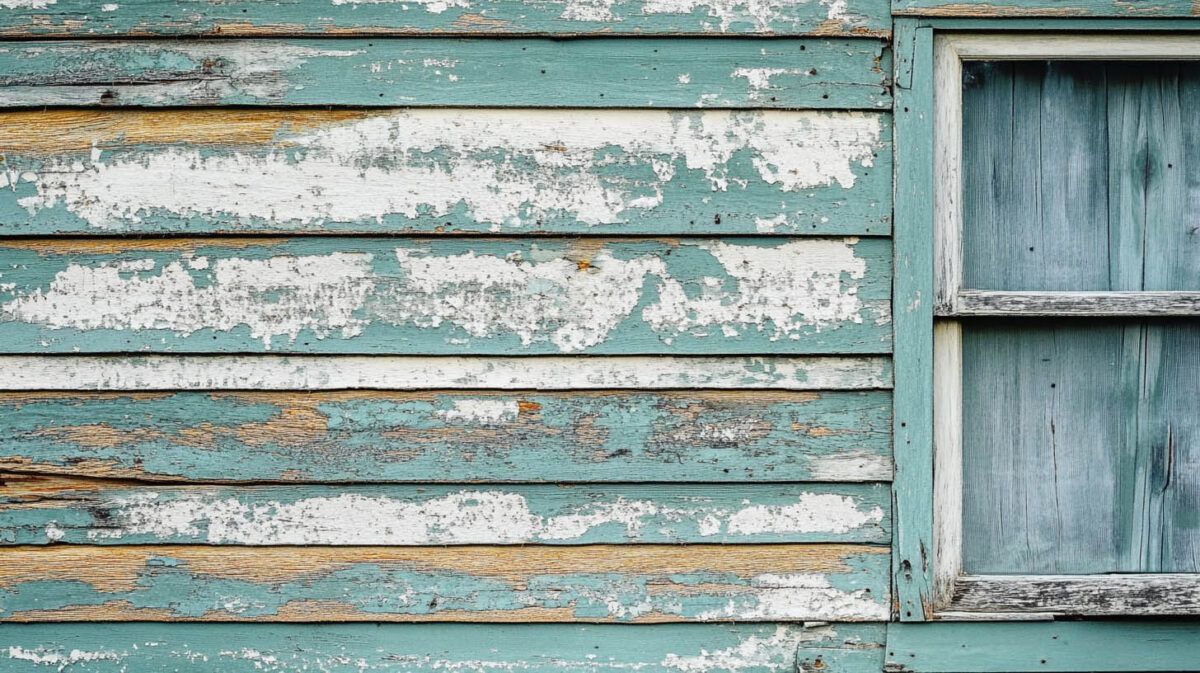
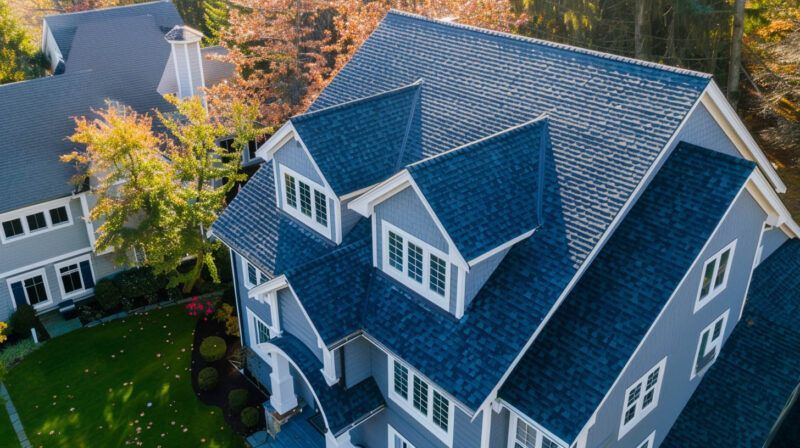
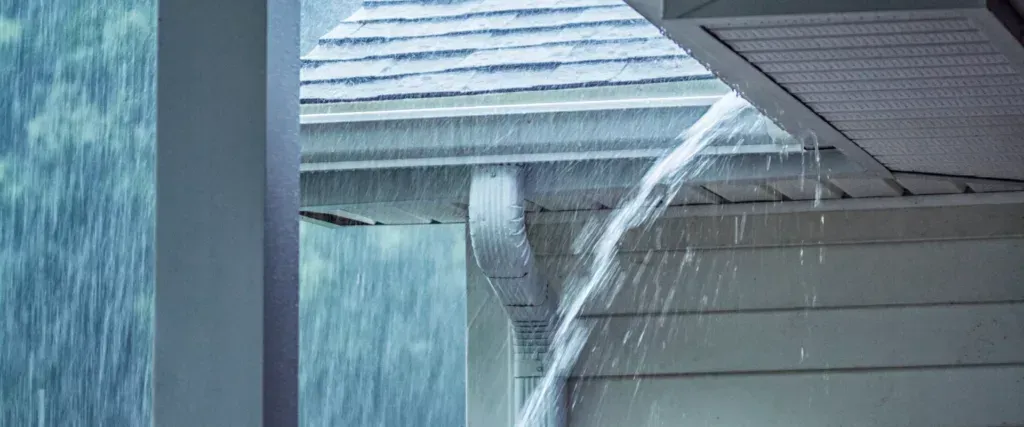
Your home’s siding is more than just a cosmetic feature—it’s a protective shield against harsh weather, moisture, and structural damage. Over time, siding can deteriorate, leading to costly repairs and decreased energy efficiency. If you notice these signs, it may be time to consider a full siding replacement.
1. Warped or Buckling Siding Panels
Warped or buckling siding is a clear sign of underlying structural issues. Vinyl siding can warp if it was installed incorrectly, especially if nailed too tightly, preventing natural expansion and contraction. Wood siding, on the other hand, can absorb moisture unevenly, causing sections to swell or shrink. This not only weakens the siding but also compromises your home’s insulation and exterior integrity. If left unchecked, warping can lead to gaps that allow water infiltration and pests to enter your walls.
How to Inspect for Warping
- Stand at an angle to your home and look for uneven surfaces.
- Press on the siding—if it moves or feels loose, there may be structural damage underneath.
- Check for gaps where the siding panels meet, as these can allow moisture intrusion.
If warping is widespread, replacing the siding is a better long-term solution than repeated repairs.
2. Presence of Mold, Mildew, or Fungus Growth
Excess moisture trapped behind your siding can lead to mold and mildew growth, which can quickly spread and cause health hazards. Vinyl siding is especially prone to this issue if not properly ventilated or if water gets trapped between the panels.
Warning Signs of Moisture Damage
- Dark green or black streaks appearing on the siding surface.
- Musty odors inside your home.
- Peeling paint or bubbling wallpaper inside, indicating hidden moisture.
If mold has infiltrated beneath the panels, it can lead to costly repairs to your home’s framing and insulation. A professional inspection can determine if a siding replacement is necessary to eliminate the problem at its source.
3. Rotting or Crumbling Wood Siding
Wood siding, while beautiful and durable, is vulnerable to dry rot. This fungal decay weakens the structure of the wood, making it soft and brittle. Rot typically begins in areas where moisture accumulates, such as near the foundation, under eaves, or around windows and doors.
How to Check for Dry Rot
- Press on the wood with your fingers—if it crumbles or feels spongy, it’s rotting.
- Use a screwdriver to poke suspicious areas. If it penetrates easily, the siding is compromised.
- Look for flaking or cracked paint, which indicates moisture penetration.
If dry rot is found in multiple areas, a full siding replacement is necessary to prevent further structural damage.
4. Water Damage Inside Your Home
When siding fails, water can seep into your home’s walls, leading to costly interior damage. If you notice stains on ceilings or walls, peeling paint, or a persistent damp smell, compromised siding may be the culprit.
Common Water Damage Indicators
- Brownish water stains on ceilings or walls.
- Peeling or bubbling paint near windows and doors.
- Warped wood floors or baseboards.
Water damage also leads to mold growth inside your walls, creating serious health risks for your family. Siding replacement with high-quality, weather-resistant materials can prevent future leaks and improve your home’s energy efficiency.
5. Excessive Noise from Loose or Damaged Siding
A properly installed siding system should be secure and quiet, even in strong winds. If you hear creaking, rattling, or popping sounds, it could mean that the siding is loose or improperly fastened.
Causes of Noisy Siding
- Wind rattling loosely installed panels.
- Temperature fluctuations causing expansion and contraction.
- Siding panels nailed too tightly, preventing movement.
If the noise persists, it may indicate larger structural issues, making a full siding replacement the best long-term solution.
Choosing the Right Siding Material for Your Home
When replacing siding, choosing the right material is essential for durability, energy efficiency, and curb appeal. Some of the best options include:
James Hardie Fiber Cement Siding
- Resistant to moisture, fire, and pests.
- Mimics the look of wood without the maintenance.
- Available in a variety of styles and colors.
Vinyl Siding
- Cost-effective and low-maintenance.
- Resists fading and cracking.
- Available in many textures and colors.
Everlast Composite Siding
- Made from a blend of polymer resins and inorganic materials.
- Extremely durable and resistant to moisture and insects.
- Offers the appearance of real wood without the upkeep.
Alside Insulated Vinyl Siding
- Provides added insulation for energy efficiency.
- Reduces outside noise.
- Designed to withstand extreme weather conditions.
Why Professional Installation Matters
Improperly installed siding can lead to many of the problems mentioned above. Hiring a certified and experienced contractor ensures that your new siding is installed correctly, preventing moisture buildup, warping, and premature failure.
180 Contractors Roofing & Siding, located in Rochester Hills, MI, is known for expert siding installation using premium materials from trusted brands like James Hardie, Alside, and Everlast. Our team is BBB A+ accredited and has received top industry awards, including Guildmaster (GuildQuality), INC 5000, and Qualified Remodeler Top 100 Satisfaction.
FAQs About Siding Replacement
1. How long does siding typically last?
The lifespan of siding depends on the material. Vinyl siding lasts 20-40 years, fiber cement can last 50 years or more, and wood siding requires frequent maintenance but can last over 30 years with proper care.
2. Can I replace siding in sections, or do I need to do the entire home?
If damage is localized, you may be able to replace a section of siding. However, color matching can be difficult, and replacing all the siding ensures a consistent look and maximum protection.
3. Will new siding improve my home’s energy efficiency?
Yes! Modern siding materials, especially insulated vinyl or fiber cement, improve insulation and reduce energy loss, leading to lower heating and cooling costs.
4. How do I maintain my new siding?
Regularly clean vinyl or fiber cement siding with mild soap and water. Inspect annually for cracks, gaps, or signs of damage to prevent costly repairs.
5. What is the best time of year to replace siding?
Spring and fall are ideal for siding replacement due to mild temperatures, but professional contractors can install siding year-round with proper precautions.
Conclusion
Siding is a crucial element of your home’s structure and aesthetic appeal. If you notice warping, mold growth, rotting, interior water damage, or excessive noise, it’s time to consider a siding replacement. Investing in high-quality siding materials and professional installation will enhance your home’s curb appeal, energy efficiency, and overall protection.
Read also our blog:
Designing with Woodland Cream: A Guide to Choosing the Perfect James Hardie Siding Color