A Behind-the-Scenes Look at How Metal Roof Panels Are Manufactured

Metal roofing is a durable and attractive solution for homes and businesses, beginning with a meticulous manufacturing process. Each piece is shaped, coated, and tested for structural integrity. At 180 Contractors Roofing & Siding in Bloomfield Hills, MI, we partner with trusted brands like CertainTeed and Owens Corning to deliver high-quality metal roofing systems. Our advanced methods and strict quality control ensure decades of reliable performance. With certifications including Owens Corning Preferred, CertainTeed Shingle Master, BBB A+, Guildmaster (Guildquality), INC 5000 recognition, and a spot in Qualified Remodeler’s top 100 for customer satisfaction, our expertise is unmatched. Discover why metal roof gutters are a smart addition to your home.
Sourcing and Preparing Quality Metal Coils
The process begins with sourcing raw metal coils, typically aluminum or steel, from reputable distributors. These materials form the backbone of metal panels, ensuring lasting strength and corrosion resistance. Manufacturers select the perfect coil type—whether galvanised steel, galvalume, or pure aluminum—based on project requirements and climate considerations.
Once sourced, strict quality control measures inspect each coil for flaws to maintain structural integrity, gauging its resistance to dents. This attention ensures that panels crafted from these materials meet stringent standards for your roofing system.

Selecting Premium Materials
Choosing the right materials is crucial for durable metal roofing panels. Manufacturers prioritize metals like steel and aluminum for their weather resistance and load-bearing capacity. Galvalume offers excellent corrosion resistance, while galvanized steel ensures unmatched strength to withstand harsh conditions.
Structural integrity is equally important. High-grade metals minimize bending and deformation, ensuring reliable performance over time. Each material undergoes rigorous testing to guarantee top quality.
Cleaning and Pre-Treatment
Before diving into coatings, raw metal undergoes extensive cleaning to prepare its surface. Handling oils, dirt, and residues are removed mechanically and chemically. Clean metal ensures adhesive layers stick effectively, promoting superior corrosion resistance and the roofing system’s longevity.
Pre-treatment involves applying specific solutions to counteract moisture-related issues over time. These treatments create a surface that binds tightly with primers and topcoats, ensuring lasting protection from elements like rain and UV light.
Quality-focused cleaning helps avoid weak spots in metal panels. Proper adhesion strengthens structural integrity, keeping your roof flawless against environmental stress.

Shaping Metal Panels to Perfection
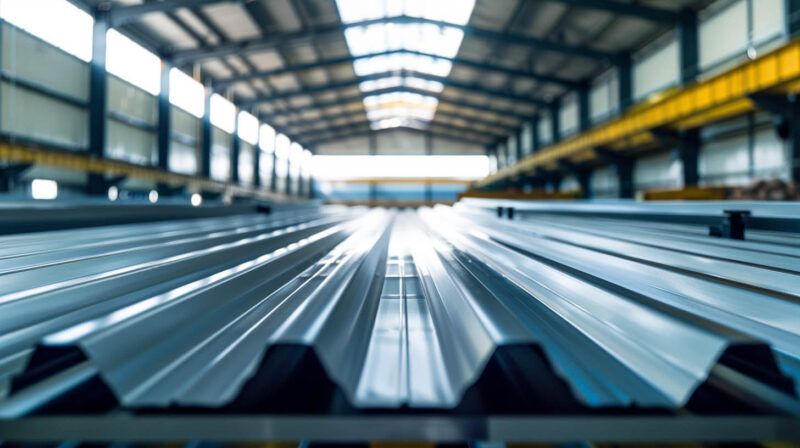
Once cleaned and treated, the metal coil is crafted into panels using advanced precision techniques. Roll-forming machines shape the metal step-by-step, gradually transforming sheets into seamless profiles like standing seam or corrugated designs.
Craftsmanship ensures minimal deformation during shaping processes. Tailored pressure and alignment avoid panel imperfections, creating visually appealing and structurally sound roofing systems ready for installation.
Advanced Rolling and Forming Techniques
Precision is essential in the advanced rolling and forming techniques used to manufacture metal roof panels. State-of-the-art machinery applies various deformation methods, ensuring each panel achieves the desired thickness and structural integrity. This precision enhances overall durability while allowing for custom profiles tailored to specific project needs.
Innovative processes, including CNC machining and robotic handling, minimize human error and boost efficiency. The ability to create seamless designs improves weather and corrosion resistance, enhancing the longevity of the metal roofing. Rigorous quality control measures further establish metal panels as an exceptional alternative to traditional asphalt shingles.

Cutting Panels to Custom Lengths and Profiles
Panels are expertly cut to meet project requirements, optimizing edge precision and aligning with diverse roofline profiles. This attention reduces waste and simplifies installation.
Quality checks follow cutting, where technicians inspect dimensions, verify surface integrity, and ensure flawless coatings during adjustments.
- Customizable panels suit complex architectural designs.
- Precise cuts minimize seams for a polished finish.
- Accurate measurements reduce material waste for eco-friendliness.
- Coating integrity ensures long-lasting durability.
What’s Next
In conclusion, understanding the manufacturing process of metal roof panels highlights 180 Contractors Roofing & Siding’s commitment to quality products and precision. From selecting top materials to using advanced forming and cutting techniques, every step is vital for durability. Our transparent production methods ensure your investment is lasting, supported by our certifications and integrity. If you’re considering a metal roof, contact us for more information or to schedule a consultation. Your journey to a reliable and beautiful roof begins here!
Frequently Asked Questions
Are there different types of coatings available for metal panels?
Yes, manufacturers offer a variety of protective coatings to enhance corrosion and weather resistance. Options include primers, colored topcoats, and zinc or aluminum-zinc layers. These coatings can be tailored to meet your roofing needs and protect against UV rays, pollutants, and moisture.
Can I customize the color or finish of my metal roof panels?
Absolutely! Metal panels come with customization options for colors and finishes, allowing homeowners to match their aesthetic preferences. From bold hues to subtle tones, these finishes not only enhance visual appeal but also outperform traditional materials like asphalt shingles.
Read our blog:
How to Choose a Metal Roof Color That Enhances Your Home’s Exterior
GET A FREE QUOTE
We will get back to you as soon as possible.
Please try again later.
Recent Posts