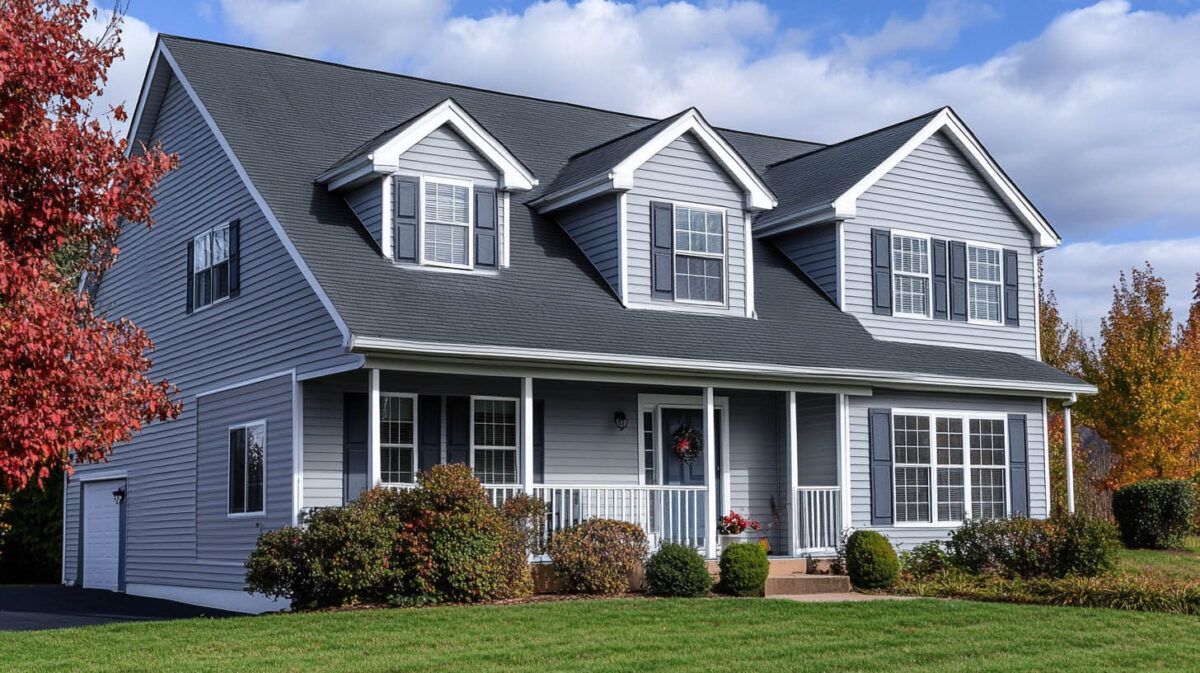
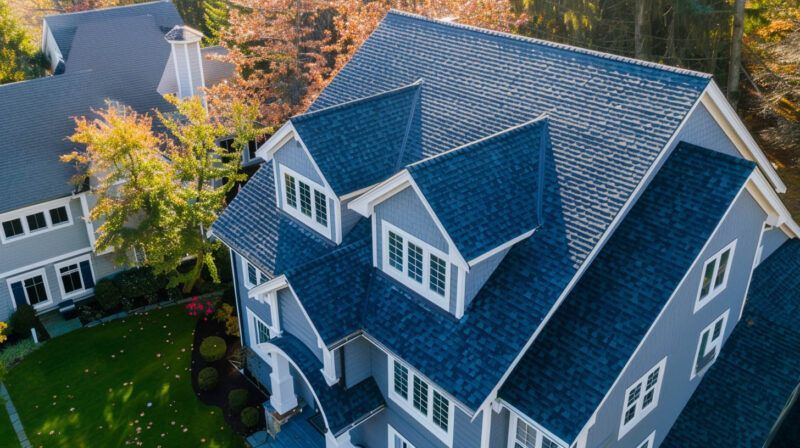
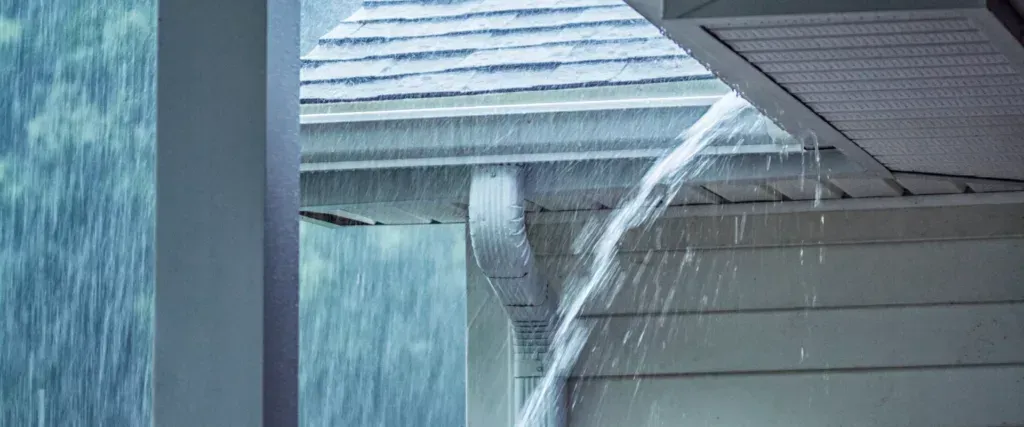
Vinyl siding is a durable, cost-effective, and low-maintenance exterior cladding option. However, over time, exposure to harsh weather conditions, physical damage, and natural wear can compromise its effectiveness. Knowing when and how to replace vinyl siding ensures continued protection and enhances curb appeal. This guide outlines key factors to consider, the replacement process, and best practices for long-term siding performance.
Signs It’s Time to Replace Vinyl Siding
1. Cracks, Holes, and Gaps
Cracks and holes in siding allow moisture to seep into the home’s structure, leading to wood rot, mold growth, and insulation damage. Gaps between panels can also make the home susceptible to pest infestations and drafts.
2. Warping and Bulging Panels
Vinyl siding should lay flat against the home. Warped or bulging panels indicate underlying moisture problems, improper installation, or heat exposure. Warping often signifies that the siding’s ability to protect against water infiltration has diminished.
3. Rotting or Soft Spots
While vinyl itself does not rot, moisture trapped behind damaged panels can cause the wood sheathing beneath to deteriorate. Checking for soft or decayed areas beneath the siding can help identify water damage before it spreads.
4. Fading and Discoloration
Siding naturally fades over time due to UV exposure. However, excessive discoloration or uneven fading often indicates that the siding’s protective coating is wearing down, making it less resistant to moisture and weather-related damage.
5. Higher Energy Bills
A sudden increase in heating or cooling costs may result from poor insulation or compromised siding. Siding with cracks or gaps allows air leaks, forcing HVAC systems to work harder to maintain indoor temperatures.
6. Mold, Mildew, or Peeling Paint Indoors
Moisture problems due to failing siding can cause interior wall damage, resulting in peeling paint or mold growth inside the home. If left unaddressed, this can lead to structural deterioration and costly repairs.
Choosing the Right Replacement Siding
1. Vinyl Siding Options
Vinyl siding remains one of the most popular choices due to its affordability, durability, and low maintenance requirements. Available in various colors, textures, and styles, it provides a customizable solution that suits different home designs.
2. Insulated Vinyl Siding
For increased energy efficiency, homeowners can opt for insulated vinyl siding, which includes a foam backing that enhances thermal resistance. This option helps reduce heat loss in winter and prevents heat gain in summer, lowering energy bills.
3. Alternative Siding Materials
- Fiber Cement Siding:
A durable option resistant to fire, moisture, and pests.
- Engineered Wood Siding:
Offers a natural wood appearance with increased resistance to rot.
- Metal Siding: Long-lasting and resistant to corrosion, ideal for modern designs.
Step-by-Step Guide to Replacing Vinyl Siding
1. Removing Old Siding
Proper removal of existing siding ensures a smooth installation process:
- Start from the top panel and work downward to prevent damaging the underlying structure.
- Use a siding removal tool to unhook panels from the ones below them.
- Inspect the wall sheathing for water damage, mold, or insulation issues.
2. Preparing the Surface
- Repair any damaged sheathing or studs before proceeding.
- Install a weather-resistant barrier (house wrap) to provide an extra layer of moisture protection.
- Use flashing tape around windows and doors to prevent water intrusion.
3. Installing New Vinyl Siding
- Start with the starter strip, securing it along the bottom edge of the wall.
- Install corner posts, J-channels, and trim pieces to create a finished look.
- Begin attaching siding panels from the bottom, ensuring they snap into place without being nailed too tightly (to allow expansion and contraction).
- Use a level to ensure straight alignment across the entire exterior.
4. Securing and Finishing the Siding
- Fasten the panels with corrosion-resistant nails, leaving space for natural movement.
- Cap the final row of siding using undersill trim to lock the panels securely.
- Reattach fixtures, lights, and shutters to complete the exterior transformation.
Best Practices for a Long-Lasting Installation
1. Allow for Expansion and Contraction
Vinyl siding expands and contracts with temperature changes. Panels should not be nailed too tightly, as this can cause buckling and warping over time.
2. Proper Ventilation
Ensuring that siding has proper ventilation prevents moisture buildup, reducing the risk of mold and mildew behind the panels.
3. Regular Cleaning and Maintenance
- Wash vinyl siding twice a year with a hose and mild detergent.
- Check for loose panels or signs of damage after extreme weather events.
- Trim nearby trees and shrubs to prevent scratches or abrasions.
Benefits of Hiring a Professional Siding Contractor
1. Precision Installation
Professional installers ensure that siding is correctly aligned, secured, and sealed, reducing the likelihood of future issues such as leaks or misalignment.
2. Time and Cost Efficiency
While DIY installation may seem cost-effective, improper installation can lead to costly repairs. Professionals complete the job faster and with higher accuracy, ensuring long-term durability.
3. Warranty Protection
Many siding manufacturers offer warranties, but improper installation can void coverage. Hiring a certified contractor guarantees compliance with warranty requirements.
4. Structural Inspection and Repairs
Professionals can identify and address underlying structural concerns, such as moisture damage or insulation gaps, preventing long-term problems.
For expert siding replacement services, 180 Contractors Roofing & Siding in Troy, MI offers industry-leading craftsmanship. The company is BBB A+ accredited, a Guildmaster award recipient, INC 5000 recognized, and Google Guaranteed. Partnering with top brands like James Hardie, Alside, and Everlast, they provide durable and aesthetically appealing siding solutions.
Frequently Asked Questions (FAQs)
1. How often should vinyl siding be replaced?
Vinyl siding typically lasts 20 to 30 years. However, harsh weather conditions, poor maintenance, or fading may require earlier replacement.
2. Can new siding be installed over old siding?
While possible, installing new siding over old siding is not recommended. Removing old siding allows for a thorough inspection of underlying damage, moisture issues, or insulation problems.
3. What is the cost of replacing vinyl siding?
Costs vary based on factors such as material quality, home size, and labor costs. On average, replacement costs range from $4 to $12 per square foot.
4. How can I maintain my vinyl siding to extend its lifespan?
Regular cleaning, avoiding excessive heat exposure, and checking for loose or damaged panels help maintain siding integrity. Proper installation and ventilation also contribute to longevity.
5. What are the benefits of insulated vinyl siding?
Insulated vinyl siding provides better energy efficiency, noise reduction, and added structural support, making it an excellent option for homeowners looking to improve their home’s thermal performance.
Conclusion
Replacing vinyl siding improves a home’s appearance, energy efficiency, and protection against the elements. Identifying signs of damage early prevents costly repairs and ensures long-lasting durability. Choosing high-quality materials and hiring professional installers guarantees precise installation and enhanced curb appeal. Proper maintenance extends the lifespan of vinyl siding, providing homeowners with a durable, low-maintenance exterior solution for years to come.
Read also our blog:
LP SmartSide vs. Vinyl Siding: A Comprehensive Comparison