Choosing the right roofing material is one of the most important decisions a homeowner can make. It affects everything from your home’s energy efficiency to its ability to withstand harsh weather conditions. In Bloomfield Hills, MI, where winter snow, spring rains, and summer heat are all part of the yearly cycle, two roofing materials stand out: asphalt and metal. But which one is best suited to your local climate and lifestyle?
At
180 Contractors Roofing & Siding, we help homeowners make informed decisions based on performance, longevity, aesthetics, and cost. Here’s how asphalt and metal roofing compare in Michigan’s unpredictable climate.
Performance in Cold Weather
Asphalt Shingles
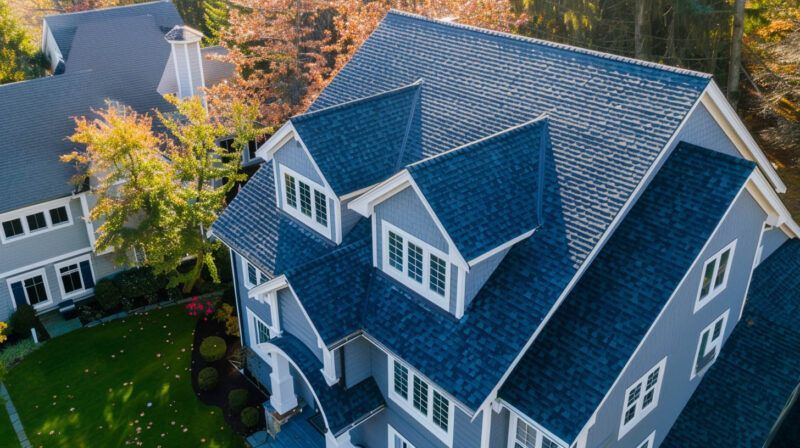
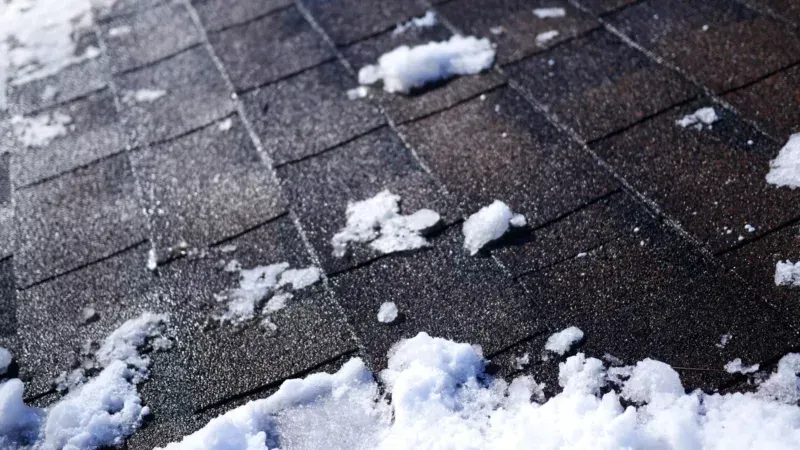
Asphalt shingles remain a popular choice for good reason. They’re affordable, relatively easy to install, and come in a variety of colors and styles. In cold climates, however, they can become brittle and susceptible to cracking, particularly during freeze-thaw cycles that are common in Bloomfield Hills.
Metal Roofing
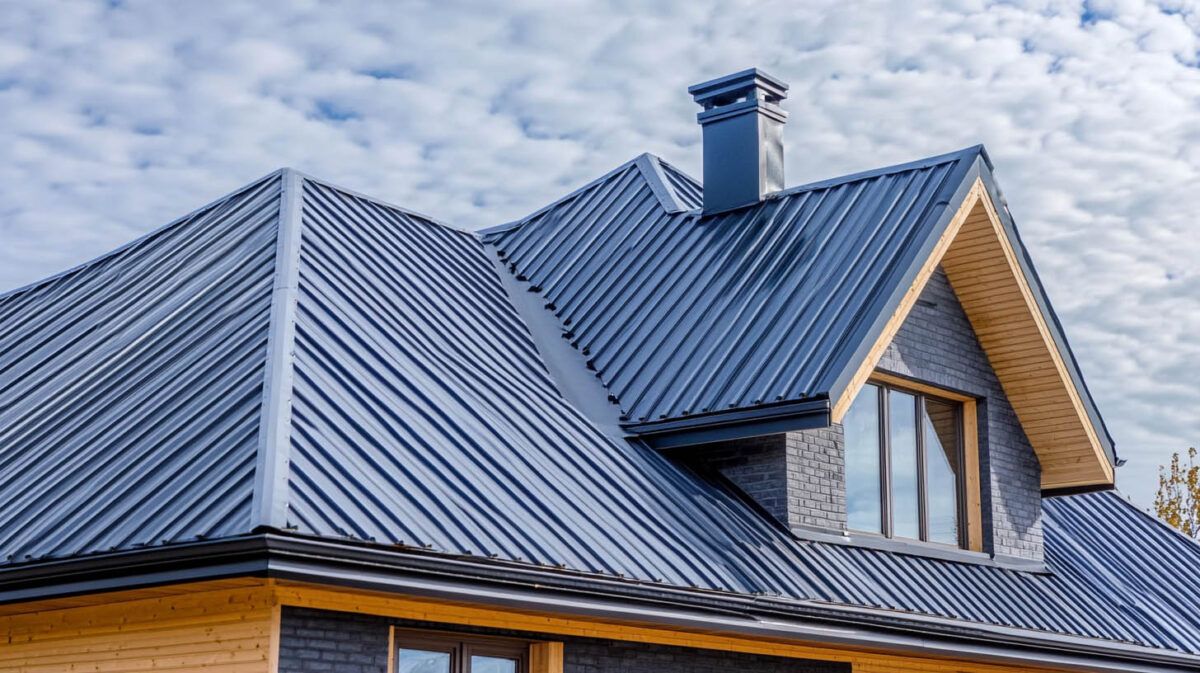
Metal roofs handle cold temperatures exceptionally well. Snow slides off easily due to the smooth surface and steep pitch compatibility, reducing the risk of ice dams and structural stress. Metal doesn’t crack in freezing weather, making it a more durable option during harsh winters.
Heat Resistance and Energy Efficiency
Asphalt roofs tend to absorb heat, which can lead to higher cooling costs during hot summers. While some asphalt shingles have reflective granules, they generally don’t perform as well as metal roofs in terms of solar reflectance.
Metal roofing, especially when coated with reflective finishes, excels in deflecting sunlight. This helps keep homes cooler in the summer and reduces energy bills. Owens Corning offers energy-efficient roofing options in both materials, but metal still leads the way in thermal performance.
Longevity and Durability
Asphalt shingles typically last 15–30 years, depending on the product and installation. They are vulnerable to wind uplift, hail, and algae growth if not treated with protective technology.
Metal roofs, on the other hand, can last 40–70 years with minimal maintenance. They resist fire, high winds, and hail impacts, making them ideal for Michigan’s variable weather. The upfront investment is higher, but so is the lifespan.
Maintenance and Repairs
Asphalt roofs may require more frequent inspections and maintenance. Granule loss, curling, and cracked shingles are all issues that can arise over time, especially with fluctuating temperatures and storm exposure.
Metal roofs require very little maintenance. Occasional checks for loose fasteners or sealant issues are typically all that’s needed. Their interlocking panels provide added strength and reduce the chance of leaks.
Environmental Impact
Asphalt shingles are petroleum-based and not biodegradable. While some manufacturers now offer recycling programs, most used shingles still end up in landfills.
Metal roofs are made from recycled materials and are fully recyclable at the end of their lifespan. This makes them a more eco-friendly option for environmentally conscious homeowners in Bloomfield Hills.
Aesthetic Considerations
Asphalt shingles offer more traditional styling and are available in a wide range of colors and textures. They can replicate the look of wood or slate and are often favored in neighborhoods with strict design covenants.
Metal roofs have come a long way aesthetically. Today’s products mimic shingles, tiles, and even wood shake while delivering superior performance. They’re particularly popular on modern and farmhouse-style homes.
Cost Comparison
Asphalt roofs have a lower upfront cost, making them attractive for budget-conscious homeowners. However, considering the shorter lifespan and higher maintenance needs, the long-term cost may be greater.
Metal roofs require a larger initial investment but pay off in durability, energy savings, and fewer repairs. Over the life of the roof, metal is often the more economical choice.
Which Roof is Best for Bloomfield Hills, MI?
In climates like Bloomfield Hills, where winter snow and summer heat can both be intense, metal roofing holds a slight edge due to its ability to handle a wide range of conditions. However, high-quality asphalt shingles—especially those enhanced with algae resistance and reflective coatings—can also be a smart and attractive option.
The best choice depends on your specific needs, budget, and long-term goals. Whether you’re replacing your current roof or building a new home, 180 Contractors Roofing & Siding can help you weigh your options and choose the material that performs best for your climate.
Read also our blog:
Benefits of Roof Cleaning: Curb Appeal and Longevity Combined