Roof Tarping Costs in 2024
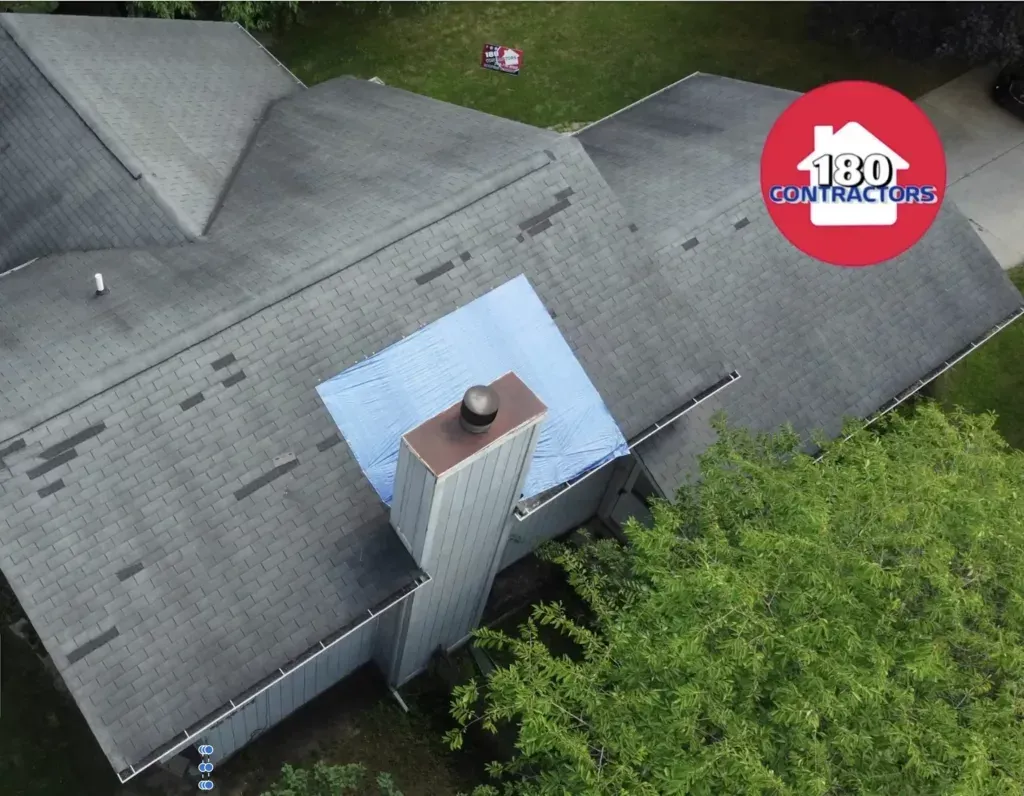
In the face of unexpected roof damage, homeowners are often left navigating the complexities of temporary solutions while planning for permanent repairs. Roof tarping emerges as a critical interim measure, safeguarding the home against further damage from elements such as water ingress. This detailed guide delves into the financial aspects of roof tarping, offering homeowners a clear understanding of what to anticipate in terms of costs, factors influencing pricing, and the importance of professional intervention.
Understanding Roof Tarping Costs
The financial commitment to tarp a roof can vary significantly, with expenses ranging from $200 to $1,300. Averagely, homeowners might find themselves spending approximately $650 or less. This broad spectrum in pricing can be attributed to several key factors, including the roof’s dimensions, the quality and type of tarp used, and the urgency of the service required.
Cost Determinants
- Square Footage:
The cost per square foot for roof tarping generally falls between $0.70 and $2, encompassing both materials and labor. Emergency situations, however, see a spike in costs, potentially reaching $1 to $2.80 per square foot.
- Labor Costs:
Professional services are indispensable for those unfamiliar with the intricacies of roof tarping. Labor costs can fluctuate based on geographic location and the specific company hired, with rates typically ranging from $50 to $100 per hour.
- Emergency Services:
Immediate response requirements for emergency tarping can lead to a premium charge, approximately 30% higher than standard services, due to the necessity of after-hours work.
- Roof Type and Accessibility:
The architecture of the roof, including its shape, type, and ease of access, plays a significant role in determining the overall cost. Complex designs, high pitches, and obstructed access points necessitate additional time, labor, and safety measures, thereby increasing the expense.
- Extent of Damage:
Severe damage may require more extensive labor and materials to secure the tarp effectively. Additionally, pre-tarping services such as debris removal can further escalate the costs.
Additional Considerations for Roof Tarping Cost
Beyond the immediate costs of tarping, homeowners should be mindful of potential subsequent expenses. These may include repairs for roof leaks, which can range from $350 for minor issues to $1,700 for significant leaks, and the possibility of a full roof replacement, with costs varying widely based on the roof’s characteristics.
Choosing the Right Professional
For those requiring roof tarping services, selecting a reputable and experienced provider is paramount. 180 Contractors Roofing and Siding, located in Waterford, Mi, stands out as a top-rated service for roofing needs, ensuring reliable work and optimal outcomes.
DIY vs. Professional Tarping
While some homeowners may consider undertaking the tarping process themselves, it’s important to weigh the risks. Roof tarping can be hazardous, particularly on steep or complex roofs. The potential compromise to the roof’s structural integrity further underscores the value of professional expertise.
Frequently Asked Questions
- Why Tarp a Roof?: Tarping serves as a temporary protective measure against further damage from environmental factors, following incidents that compromise the roof’s integrity.
- Insurance Coverage: Roof tarping costs may be covered by insurance in certain scenarios, particularly if the damage results from a covered peril. Policyholders are advised to consult with their insurance providers for specific coverage details.
- Duration of Tarping: Typically, a roof tarp is a short-term solution, intended to last two to three months. However, options for more durable materials and installation methods are available for those requiring extended protection.
- Cost-Effective Roof Coverage: Tarping remains the most economical method for temporary roof coverage, with alternatives such as roofing felt or synthetic underlayments offering more durability at a higher cost.
Conclusion
In the aftermath of roof damage, tarping presents a vital, albeit temporary, solution to protect homes from further harm. Understanding the factors that influence roof tarping costs, alongside the importance of professional services, empowers homeowners to make informed decisions during these challenging times. With careful consideration and the right expertise, the path to a fully repaired and secure roof becomes clearer, ensuring peace of mind and the safeguarding of one’s home against the unpredictability of nature.