Optimal Strategies for Safe Roofing in Winter
Winter presents unique challenges for roofing, particularly in regions that experience severe weather conditions. Homeowners and contractors alike face the task of ensuring that roofing repairs and installations are not only possible but also effective during the colder months. This comprehensive guide will delve into the intricacies of winter roofing, providing valuable insights and practical tips to ensure success.
The Feasibility of Winter Roofing
Why Consider Roofing in Winter?
Sometimes, emergency situations do not afford the luxury of waiting for warmer weather. Roofing in winter becomes essential when immediate repairs are necessary to protect your home from any further damage. While cold weather is not ideal, with the right techniques and experienced professionals, roofing can be successfully and safely executed during winter.
Challenges and Solutions
The primary challenges of winter roofing include lower temperatures, which can affect the flexibility and adhesive properties of materials such as shingles. To counter these issues, roofing professionals may adjust installation methods, such as manually sealing shingle tabs with an appropriate adhesive to ensure proper bonding.
Best Practices for Roofing in Winter
Choosing the Right Materials
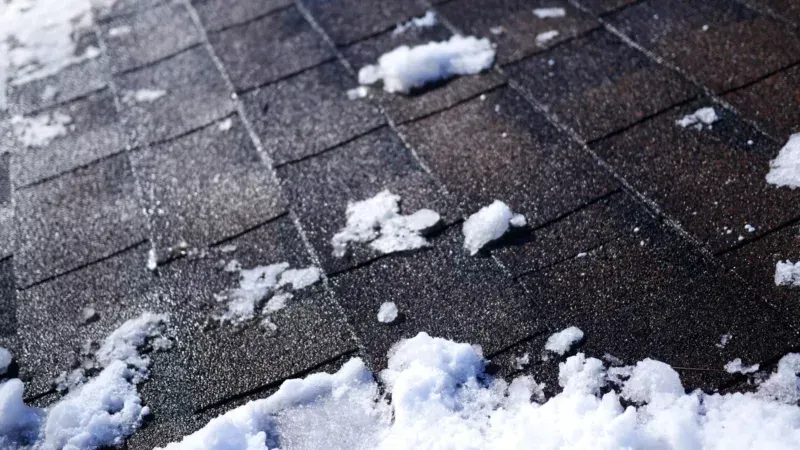
Not all roofing materials are suitable for cold weather installation. Traditional asphalt shingles, for example, can become brittle and more prone to breaking in cold weather. However, certain modern shingles are designed to withstand lower temperatures. It’s crucial to select materials that are specifically rated for cold weather installation.
Metal Roofing: An Ideal Winter Choice
Metal roofing is particularly well-suited for winter installations. Unlike shingles, metal roofs do not rely on adhesives that can fail in cold weather. Additionally, the design of metal roofs allows snow to slide off more easily, reducing the risk of ice dam formation and excess weight on the structure.
Ensuring Safety on the Jobsite
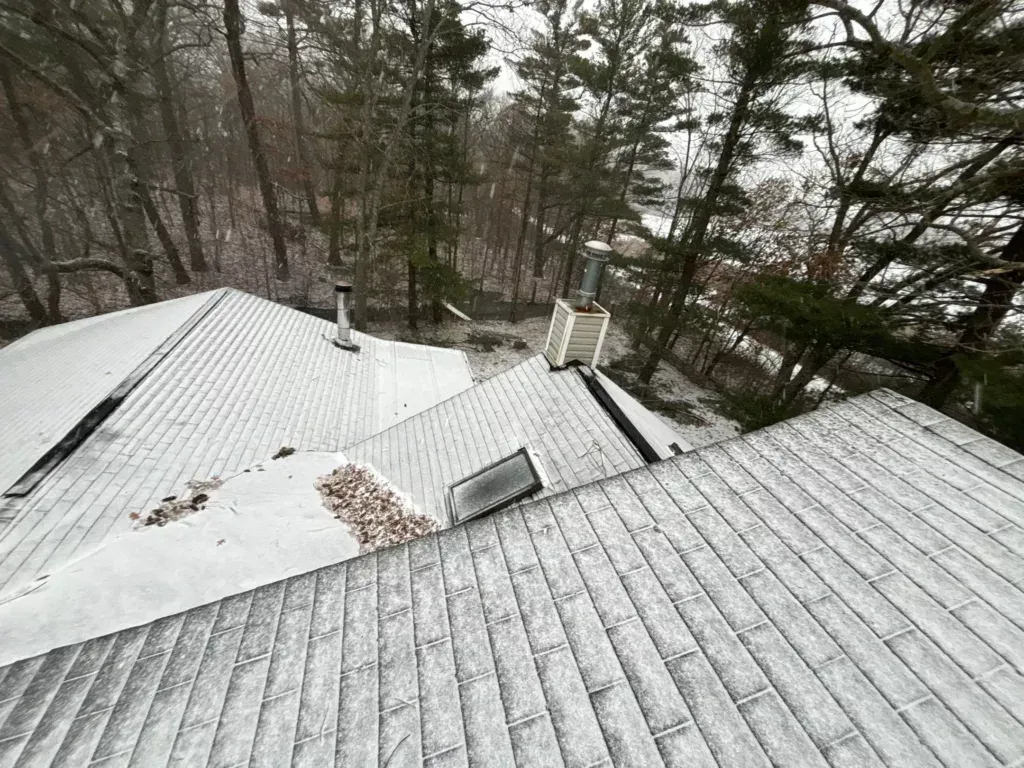
Winter conditions can make roofing particularly hazardous. Icy conditions and snow accumulation can increase the risk of slips and falls. Roofing professionals should take additional safety measures, such as using roof harnesses and ensuring that ladders and walkways are clear of ice and snow.
The Importance of Professional Expertise
Hiring Experienced Contractors
The success of a winter roofing project heavily relies on the skills and experience of the contractors. It’s important to choose a team that has specific experience with winter roofing installations. Experienced contractors will know how to handle the materials properly and navigate the unique challenges of cold weather roofing.
Preparations and Precautions
Before beginning a winter roofing project, thorough planning and preparation are essential. This includes checking the weather forecast to choose the best days for installation and ensuring that materials are stored in a temperature-controlled environment to maintain their integrity.
Regular Maintenance and Inspection
Proactive Winter Roofing Maintenance
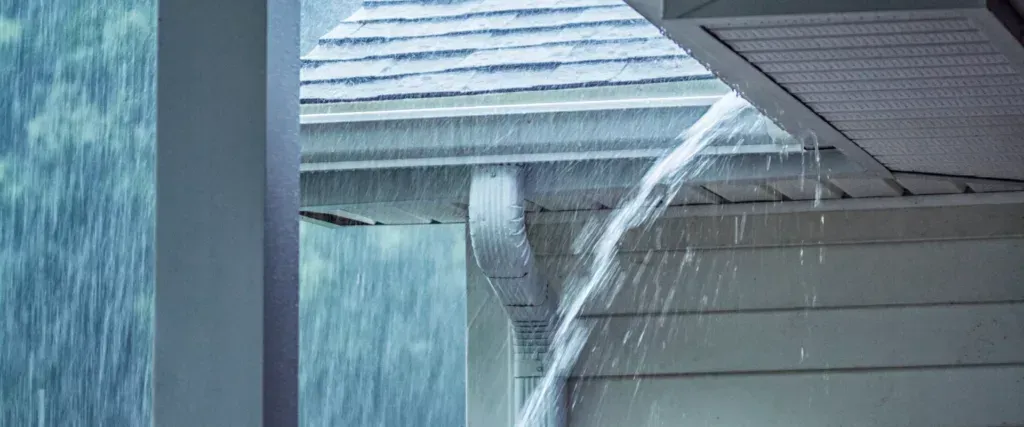
To minimize the need for roofing in winter, regular maintenance throughout the year is crucial. This includes clearing gutters and downspouts to prevent ice dams and inspecting the roof for any signs of damage that could be exacerbated by winter weather.
Late Summer or Fall Inspections
Ideally, a professional roof inspection should be conducted in late summer or early fall. This allows ample time to address any issues before the harsh winter weather sets in, potentially avoiding the need for emergency winter roofing projects.
Conclusion
Roofing in winter is not only feasible but can be effectively and safely accomplished with the right planning, materials, and professional expertise. By understanding the challenges and adhering to best practices, homeowners can ensure that their roofing needs are met, regardless of the season. Remember, a proactive approach to roofing maintenance can significantly reduce the likelihood of needing a winter installation, saving time, money, and stress.