Dangers of Asbestos in Residential Properties
Asbestos, once hailed for its durability and fire-resistant capabilities, has been identified as a significant health hazard, lurking within the confines of many homes. This article delves into the critical aspects of asbestos presence in residential properties, offering a comprehensive guide to identifying, managing, and mitigating the dangers of asbestos.
Identifying Asbestos in Your Home: A Crucial First Step
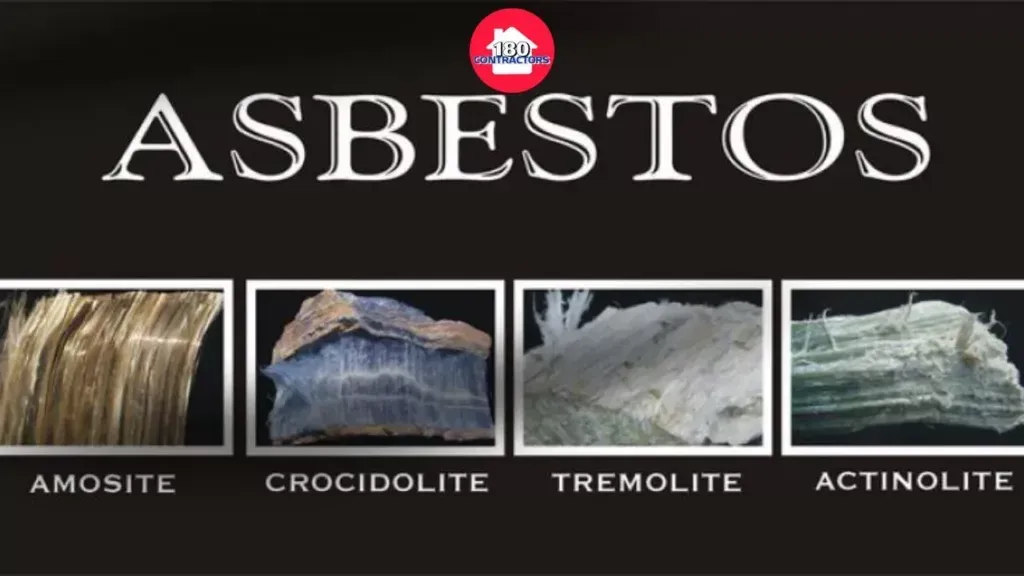
The first step in safeguarding your home and health from asbestos is recognizing its presence. Asbestos-containing materials (ACMs) were extensively used in various construction materials, including roofing, insulation, and flooring, due to their strength, heat resistance, and insulating properties. However, the real challenge lies in identifying these materials, as asbestos fibers are microscopic and not visible to the naked eye.
Visual Inspection and Professional Evaluation
A thorough visual inspection can sometimes reveal potential ACMs, especially in older homes constructed before the 1980s. Look for signs of aging or damage in materials that could contain asbestos. However, the most reliable method of confirming the presence of asbestos is through a professional evaluation. Accredited asbestos professionals can conduct detailed inspections and testing, ensuring accurate identification and assessment of any potential risks.
The Health Risks and Dangers of Asbestos Exposure
Contact with asbestos fibers carries significant health dangers, such as lung cancer, mesothelioma, and asbestosis. These diseases result from inhaling asbestos fibers, which can become airborne during the deterioration or disturbance of ACMs. The health implications of asbestos exposure underscore the importance of taking immediate and appropriate action upon its detection in your home.
Steps to Take Following Asbestos Detection
Upon suspecting or confirming the presence of asbestos in your home, it is crucial to act judiciously to minimize exposure and manage the risk effectively.
Do Not Disturb
Disturbing ACMs can release asbestos fibers into the air. It is imperative to avoid any actions that might disturb these materials, such as drilling, cutting, or sanding.
Professional Consultation
Engaging with an accredited asbestos professional is essential for a comprehensive assessment and formulation of a management or removal plan. These specialists can recommend the optimal strategy based on the asbestos’s state and placement in your residence.
Access Control
Limiting access to areas containing asbestos can prevent accidental disturbance and exposure. This step is particularly crucial until a professional can assess the situation and recommend a remediation strategy.
Asbestos Abatement
Asbestos removal or abatement should only be conducted by licensed professionals. This procedure encompasses multiple essential phases to guarantee the secure and efficient elimination of asbestos substances, comprising:
- Preparation of the Work Area:
Establishing containment zones to prevent the spread of asbestos fibers.
- Safe Removal Practices:
Utilizing specific techniques and equipment to safely remove asbestos without releasing fibers into the environment.
- Proper Disposal:
Ensuring asbestos waste is appropriately packaged, labeled, and disposed of at licensed facilities.
Preventing Future Dangers of Asbestos
Maintaining a proactive stance is key to preventing future asbestos exposure. Regular inspections and maintenance of your property can help identify potential asbestos issues before they become hazardous. Additionally, educating yourself and others about the risks of asbestos and safe handling practices can further protect your home and community.
Legal and Regulatory Compliance
Adhering to local and national regulations regarding asbestos is critical. This includes compliance with testing, removal, and disposal guidelines. Hiring accredited professionals for asbestos-related work ensures that these activities are performed safely and in accordance with legal requirements.
Conclusion
The presence of asbestos in residential properties poses significant health risks that require immediate and informed action. Identifying, managing, and mitigating these risks through professional evaluation, safe removal practices, and preventive measures are essential steps in protecting the health and safety of homeowners and residents. By adhering to regulatory guidelines and adopting a proactive approach to asbestos management, we can ensure a safer living environment for all.
In the journey towards a safer home environment, 180 Contractors Roofing and Siding, based in Waterford, Mi, stands ready to assist with expert roofing services, ensuring the highest standards of safety and quality in every project.