
Exposing the Harsh Realities of a Free Roof: The Ultimate Guide to Dodging Scams

180 Contractors • July 11, 2026

In Michigan, the integrity and safety of residential and commercial buildings are paramount, especially when it comes to roofing. The state’s diverse climate demands roofing solutions that are not only durable but also compliant with local regulations. This comprehensive guide aims to shed light on the critical aspects of roofing layers allowed in Michigan, ensuring property owners are well-informed before undertaking any roofing project.


Understanding Michigan’s Roofing Layer Policy

Michigan’s building codes specify that a maximum of two layers of roofing materials are permissible on any structure. This regulation is designed to protect buildings from the potential risks associated with excessive roofing layers, such as structural overload and reduced efficiency of roofing materials.


The Rationale Behind the Two-Layer Limit

The two-layer limit is grounded in several key considerations:

  • Structural Integrity: Additional layers add weight to the roof structure, which can exceed the designed load-bearing capacity, leading to potential structural failures.
  • Roofing Performance: Multiple layers can trap heat and moisture, compromising the roof’s ability to ventilate and ultimately shortening the lifespan of roofing materials.
  • Compliance and Safety: Adhering to this regulation ensures compliance with state building codes, enhancing the safety and durability of the roofing system.


The Decision to Replace: When to Consider a Full Roof Overhaul

When a roof reaches the end of its useful life, property owners must decide between adding a new layer (if one layer exists) or opting for a complete replacement. Given Michigan’s two-layer rule, a full replacement is often the most prudent choice, particularly in the following scenarios:

  • Existing Double Layers: If two layers are already present, a full replacement is not just advisable but necessary to comply with state regulations.
  • Aging or Damaged Roof: An old or significantly damaged roof is better replaced to ensure the structure’s safety and integrity.
  • Upgrading Roofing Materials: When upgrading to modern, more efficient roofing materials, starting fresh allows for the old materials’ complete removal and the new materials’ optimal performance.


Choosing High-Quality Roofing Materials

Choosing the right roofing materials is essential for the success of any roof replacement endeavor. Materials should be chosen based on their durability, efficiency, and suitability for Michigan’s climate. Options include:

  • Asphalt Shingles: Popular for their affordability and versatility.
  • Metal Roofing: Known for its durability and energy efficiency.
  • Composite Materials: Offer a blend of durability, aesthetic appeal, and low maintenance.


The Importance of Professional Roofing Services

For roofing projects in Michigan, the expertise of professional roofing contractors is invaluable. 180 Contractors Roofing and Siding, serving Waterford, MI, exemplifies the benefits of hiring experienced professionals for roofing installations and repairs.


Advantages of Engaging Professional Roofers

Professional roofing services offer several distinct benefits:

  • Expertise in Local Building Codes: Professionals are well-versed in Michigan’s roofing regulations, ensuring your project adheres to all legal requirements.
  • Access to Quality Materials: Established contractors have relationships with suppliers, granting access to the best materials at competitive prices.
  • Comprehensive Warranties: Professional installations typically come with robust warranties, providing long-term peace of mind.


Step-by-Step Guide to a Successful Roof Replacement

A roof replacement project in Michigan involves several key steps, each critical to the project’s overall success:


Initial Consultation and Inspection

The initial phase entails a detailed examination of the current roof to evaluate its state and ascertain whether a replacement is necessary. This stage sets the groundwork for the project, outlining the scope and identifying any potential challenges.


Selection of Materials

Based on the inspection findings and the property owner’s preferences, the next step is selecting the appropriate roofing materials. This decision is crucial, as the materials must meet the structural requirements of the building and comply with Michigan’s roofing regulations.


Removal of Existing Layers

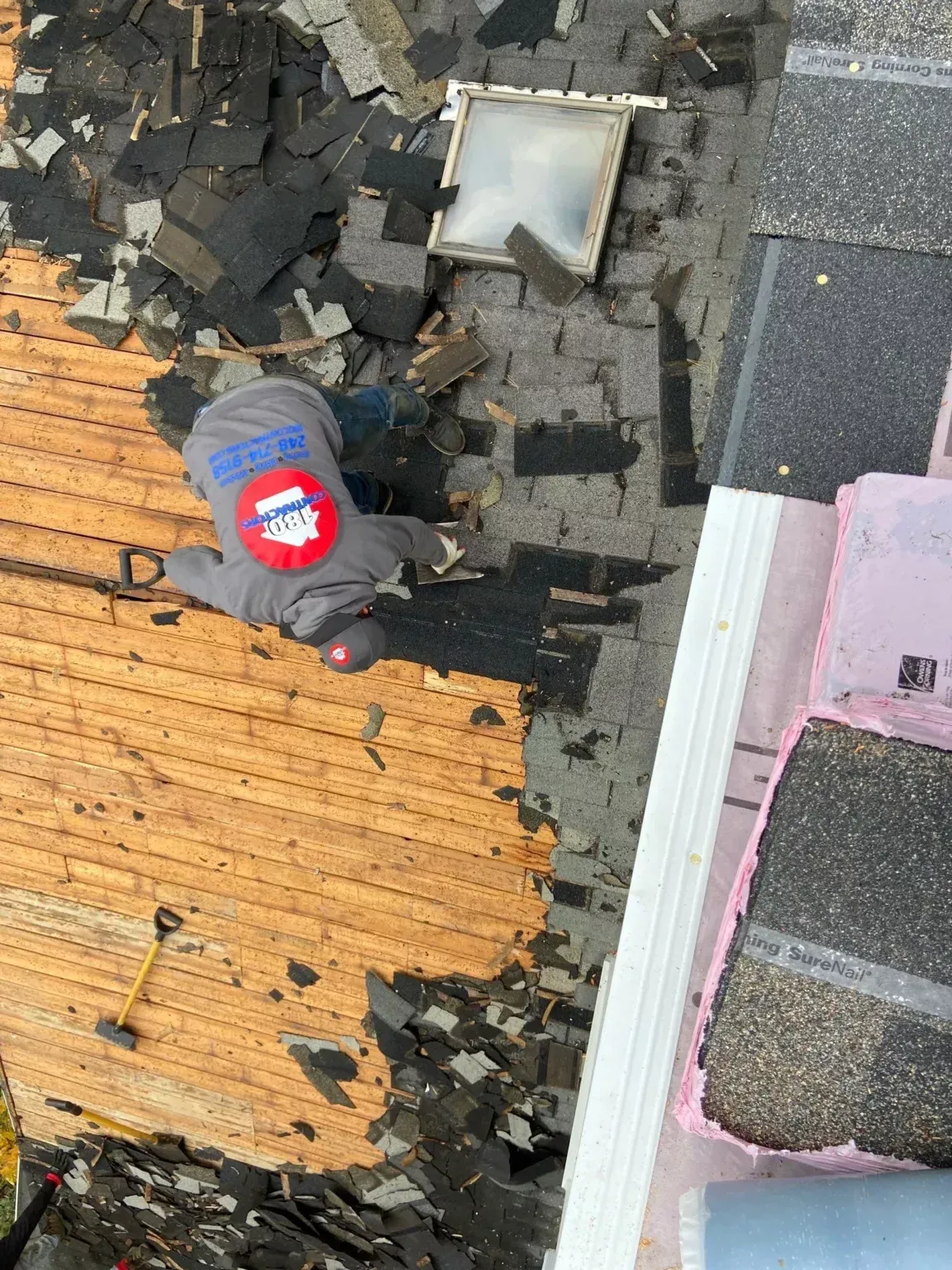
If two layers are already present or if a fresh start is deemed necessary, the existing roofing materials must be carefully removed. This process must be conducted with attention to detail to avoid damaging the roof structure.


New Roof Installation

Once the previous materials are cleared away, the process of installing the new roof can start. This stage encompasses multiple procedures, such as readying the roof deck, laying the underlayment, and applying fresh roofing materials.


Final Inspection and Cleanup

After the installation is finished, a thorough inspection is carried out to verify that the work adheres to all quality and regulatory standards. Cleanup of the site is also an essential part of the process, leaving the property in pristine condition.


Conclusion

Understanding and adhering to Michigan’s roofing layer regulations is crucial for any roofing project within the state. By opting for a complete roof replacement when necessary and choosing high-quality materials, property owners can ensure their roofing systems are safe, durable, and compliant. Engaging the services of professional roofing contractors, such as 180 Contractors Roofing and Siding, further guarantees that the project is executed to the highest standards, providing peace of mind and long-term value.

GET A FREE QUOTE

Share this article

Recent Posts

By 180 Contractors July 14, 2026
A roof leak is more than just an inconvenience; it’s a breach in your home’s first line of defense against the elements. Identifying and addressing the source of a roof leak promptly can prevent further damage to your home. This guide delves into the ten most common roof leak locations, offering insights into detection and prevention strategies that ensure your home remains dry and secure. 1. Shingle Damage Shingles are the outermost layer of protection for many roofs. Over time, they can become damaged due to severe weather conditions, falling debris, or wear and tear. Cracked, missing, or curled shingles are clear indicators that water may infiltrate your home. Detection Tips: Regularly inspect your roof for shingle damage, especially after heavy storms. Look for signs of shingle granules in gutters; this can indicate advanced wear. 2. Improperly Sealed Valleys Valleys, where two roof planes meet, are prone to leaks if not sealed correctly. Water can seep through the gaps and into your home if the sealant deteriorates over time or if the initial installation was flawed. Prevention Strategies: Ensure valleys are properly sealed during installation and maintenance checks. Consider installing metal flashing for added durability and protection. 3. Roof Flashing Compromise Flashing, typically made of metal, is used to direct water away from critical areas of the roof, such as chimneys, vents, and where the roof meets a wall. If flashing is damaged or loosens, it can become a prime entry point for water. Maintenance Advice: Inspect flashing regularly for signs of rust, cracks, or separation. Replace damaged flashing immediately to prevent water damage. 4. Vent Boot Deterioration Vent boots, which seal the area around roof vents, can deteriorate over time, allowing water to enter the home. Cracked or worn vent boots are common sources of leaks. Inspection Tips: Check the rubber seals around vent boots for signs of wear or cracking. Replace any damaged vent boots as part of routine roof maintenance. 5. Skylight Leaks Skylights add natural light to your home but can be vulnerable to leaks if not installed correctly or if the seals around them fail. Leak Prevention: Ensure skylights are installed with proper flashing and sealing. Regularly check the seals for cracks or gaps and reseal as necessary. 6. Clogged Gutters Gutters play a crucial role in directing water away from your roof and home. When gutters are clogged with debris, water can back up and seep under the roof shingles, leading to a roof leak. Regular Maintenance: Clean gutters at least twice a year to prevent blockages. Consider gutter guards to reduce debris accumulation. 7. Chimney Wear and Tear The intersection of your chimney is a common location for a roof leak, especially if the chimney cap is damaged or the mortar between bricks has eroded. Chimney Care: Inspect the chimney cap and replace it if damaged. Repointing the chimney can prevent water from entering through eroded mortar. 8. Ice Dam Formation In colder climates, ice dams can form at the roof’s edge, preventing melting snow from draining off the roof. This can lead to water backing up under the shingles and into the home. Ice Dam Mitigation: Ensure your attic is well-insulated to prevent heat from escaping and melting snow unevenly. Install roof heating cables to prevent ice dam formation. 9. Attic Condensation A poorly ventilated attic can lead to condensation buildup, which may mimic a roof leak. This moisture can damage your roof structure and interior ceilings. Ventilation Solutions: Improve attic ventilation to allow moisture to escape. Insulate attic floors to prevent warm air from rising and condensing. 10. Age-Related Wear Over time, roofing materials can deteriorate, making your roof more susceptible to leaks. Regular inspections can identify potential problems before they lead to significant damage. Longevity Tips: Schedule professional roof inspections annually. Consider a roof replacement if your roof is beyond its expected lifespan and repairs are frequent. Partnering with Professionals: when You Have a Roof Leak For homeowners in Waterford, MI, facing persistent roof leak challenges, partnering with a reputable roofing contractor like 180 Contractors Roofing and Siding can provide peace of mind. Their expertise in identifying and repairing leak sources ensures your home remains protected against the elements. Conclusion Addressing your roof leak promptly and effectively requires an understanding of the most common leak locations and their prevention strategies. By staying vigilant and undertaking regular maintenance, homeowners can safeguard their homes against the potentially devastating effects of water damage.

Aerial view of a large blue-gray house with dormer windows and a landscaped yard in autumn
By 180 Contractors May 14, 2026
Your roof works silently year after year, shielding your home from rain, wind, sun, and snow. But like every part of your home, it doesn’t last forever. The key is knowing when repair is no longer enough—and a full roof replacement is the smarter, safer move. For homeowners in Bloomfield Hills, MI, where intense season
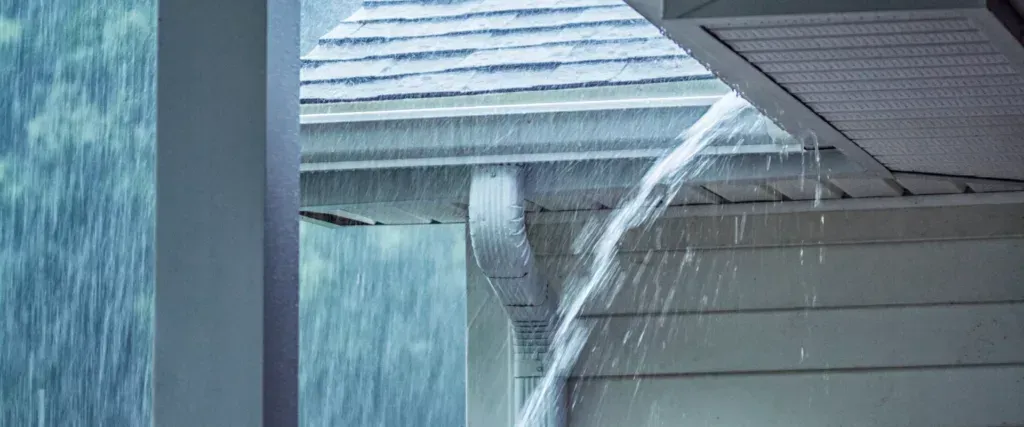
Rainwater pouring from a house roof and gutter during a storm
By 180 Contractors April 13, 2026
Michigan weather can be tough on homes, especially when it comes to your roof. From heavy snow in the winter to strong thunderstorms in the summer, each season brings conditions that can wear down roofing materials over time. Knowing how these storms affect your roof can help you catch problems early and avoid more ser