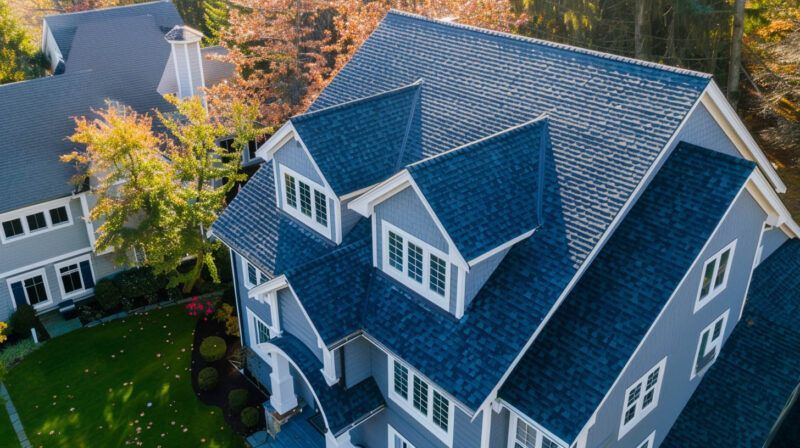
Fireworks are a beloved part of summer celebrations, especially around the Fourth of July. They light up the sky, bring communities together, and create unforgettable memories. But while you’re enjoying the spectacle from the ground, your roof might be taking a hit. For homeowners in Troy, MI, where fireworks are common during holiday weekends and private gatherings, it’s worth asking: can fireworks really damage your roof? The answer is yes—and the risks are greater than most people realize.
How Fireworks Affect Residential Roofs
Fireworks may seem harmless when viewed from afar, but they pose real risks to your roofing system. Whether you’re launching fireworks from your own backyard or you’re in a neighborhood where they’re regularly used, airborne sparks and debris can land on your roof and cause several types of damage.
1. Fire Risk
The most serious concern is fire. If a spark or ember lands on a dry roof or in accumulated debris (like leaves or twigs in gutters), it can ignite quickly—especially in dry summer conditions. Wood shake roofs, old asphalt shingles, and clogged gutters are especially susceptible.
2. Shingle Damage
Even if no fire starts, falling fireworks or debris can crack or dent roofing materials. Shingles, especially those nearing the end of their life, may be vulnerable to direct impact. Over time, this kind of wear can lead to leaks or granule loss, compromising the waterproofing layer.
3. Damage to Roof Accessories
Firework debris can damage more than shingles. Vents, flashing, skylights, and chimneys are all vulnerable. If fireworks are launched too close to your home, the pressure wave from an explosion can loosen or shift lightweight components.
4. Gutters and Downspouts
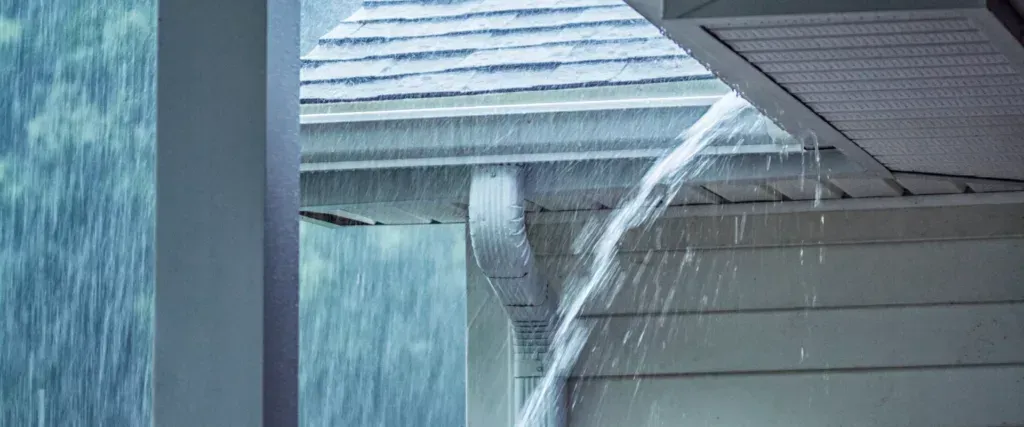
Sparks and paper casings from fireworks can land in your gutters, clogging them and creating a fire hazard. If not removed, this debris can also trap water, leading to rot and mold.
What Increases the Risk?
Several factors make your roof more vulnerable to fireworks damage:
- Aged or brittle roofing materials
- Dry weather and high heat
- Wooden roofing systems or untreated cedar shakes
- Clogged gutters filled with dry leaves or pine needles
- Nearby overhanging trees that can catch sparks
Roofs that haven’t been inspected in years are particularly at risk, as unseen vulnerabilities could make even small impacts much more damaging.
Safety Tips to Protect Your Roof During Fireworks Season
1. Clean Your Roof and Gutters in Advance
Remove dry leaves, pine needles, or other debris from your roof and gutters before the holiday weekend. This reduces fuel for any potential spark that lands on your home.
2. Don’t Launch Fireworks Near Your Home
Keep a safe distance from your house, garage, or any outbuildings when setting off fireworks. A minimum of 100 feet is recommended to reduce the risk of falling debris hitting your roof.
3. Trim Back Trees
Overhanging limbs catch sparks easily and can help spread fire. Trim trees well in advance of fireworks season to reduce this risk.
4. Inspect Your Roof
If you’re not sure about your roof’s condition, schedule a professional inspection before major summer holidays. A roofing expert can spot loose shingles, exposed underlayment, and other risks that you may not notice from the ground.
5. Use Fire-Resistant Roofing Materials
If you’re due for a new roof, consider materials with high fire-resistance ratings. Asphalt shingles from trusted brands like Owens Corning are designed to withstand heat and flame, offering an added layer of protection for homes in areas where fireworks are common.
What to Do If You Suspect Damage
After a night of fireworks, take a walk around your property the next morning. Look for:
- Char marks or burned debris on your roof
- Cracked or dislodged shingles
- Melted plastic vent covers or damaged flashing
- Firework debris in gutters or valleys
If anything seems off, don’t climb up yourself—contact a licensed roofer to assess the damage. Quick response can prevent minor issues from turning into serious water leaks or fire hazards.
Work with a Trusted Local Roofing Expert
At
180 Contractors Roofing & Siding, we’ve helped countless Troy homeowners recover from accidental roof damage—whether caused by fireworks, weather, or general wear and tear. We offer thorough roof inspections, expert repairs, and fire-resistant roofing options that provide lasting peace of mind.
As an Owens Corning Preferred Contractor, we install high-performance roofing systems that combine durability with the protection needed for Michigan’s intense weather and holiday celebrations.
Read also our blog:
How to Get Your Roof Ready for Summer
So, can fireworks really damage your roof? Absolutely. But with the right preparation, materials, and local roofing partner, you can enjoy the show—and protect your home at the same time.