Choosing the right roofing material is a pivotal decision that affects the aesthetics, durability, and cost of your home improvement project. In Waterford, MI, where seasonal weather changes put roofing systems to the test, clay and concrete roof tiles are both compelling options. Each offers distinct benefits and considerations, and understanding the differences can help you make a smarter, long-term investment.
At
180 Contractors Roofing & Siding, we help homeowners compare roofing materials based on performance, appearance, and total cost of ownership so they can make the best decision for their property and budget.
Appearance and Style
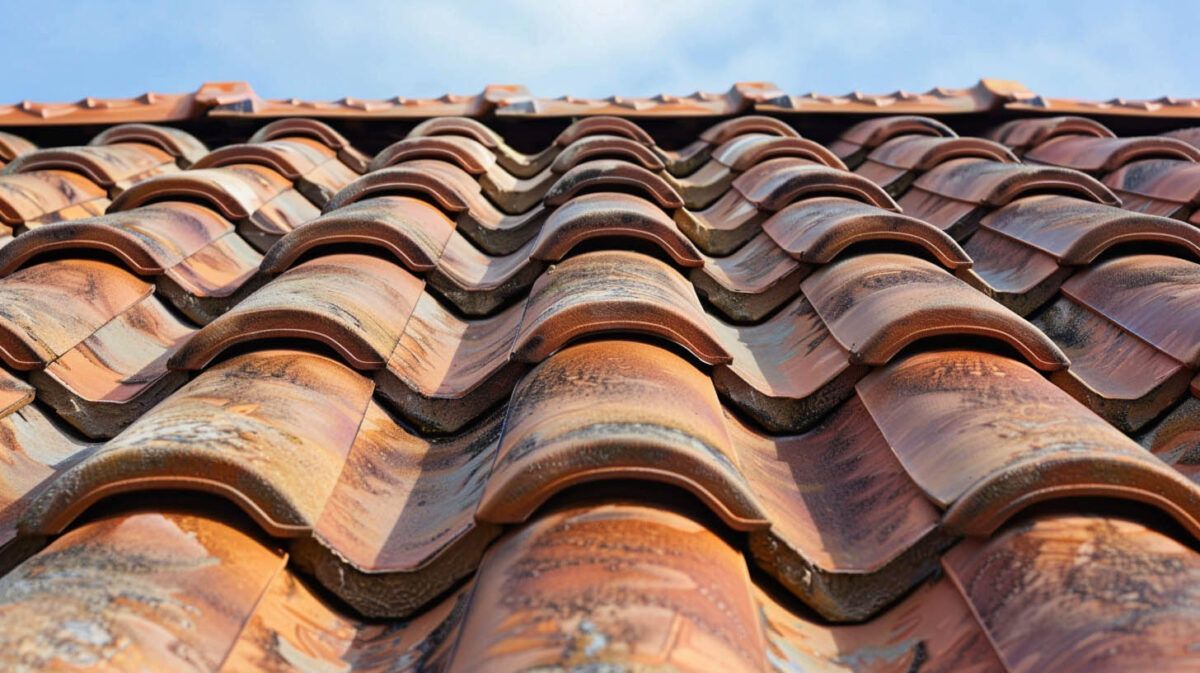
Clay tiles are widely regarded for their natural, timeless appeal. Often associated with Mediterranean or Spanish-style architecture, they offer rich, earthy tones that age beautifully over time. Because they are made from natural clay and fired in a kiln, they maintain color well without the need for paint or surface treatments.
Concrete tiles, on the other hand, are more versatile in appearance. They can mimic the look of slate, wood shake, or even clay, and are available in a wider variety of colors and textures. Concrete can be molded and dyed, giving homeowners more design flexibility.
Durability and Longevity
Both clay and concrete tiles are incredibly durable compared to asphalt shingles. Clay tiles are known for their longevity, often lasting over 100 years in optimal conditions. They are highly resistant to rot, fire, and insect damage. However, they can be brittle and prone to cracking under heavy impact or foot traffic.
Concrete tiles are slightly less brittle but heavier and more porous than clay. They typically last 30-50 years with proper maintenance. Over time, concrete tiles may absorb more moisture, which can lead to mildew or staining without proper sealing.
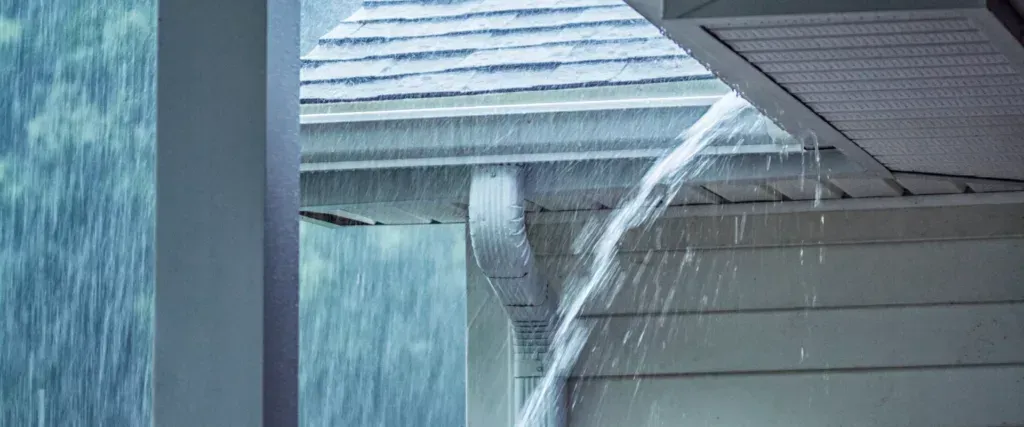
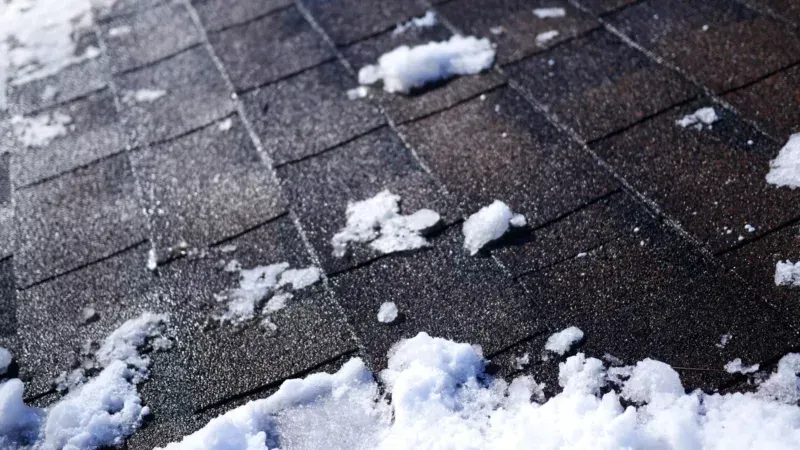
In Waterford’s freeze-thaw climate, it’s essential that tile roofs are installed with precision to prevent moisture intrusion and damage during seasonal shifts.
Weight and Structural Requirements
One of the biggest differences between clay and concrete tiles is weight. Concrete tiles are significantly heavier and may require structural reinforcement of your roof framing. Clay tiles, while lighter, still weigh more than asphalt shingles.
Before choosing either option, a roofing contractor should evaluate your home’s structural capacity. Skipping this step could lead to long-term damage or costly retrofitting.
Cost Considerations
Clay tiles generally have a higher upfront cost due to their artisanal production process. However, their long lifespan and low maintenance needs may justify the investment. Concrete tiles are more budget-friendly initially but may require more upkeep over time, especially if the surface finish degrades.
Homeowners should also factor in installation complexity, underlayment quality, and any required structural modifications when comparing total project costs.
Energy Efficiency and Environmental Impact
Both clay and concrete tiles offer excellent thermal performance. Their natural thermal mass helps regulate indoor temperatures by reducing heat gain during the day and releasing it at night. Some models are ENERGY STAR® rated or available with cool-roof coatings that further improve energy efficiency.
From an environmental perspective, clay tiles are made from natural earth materials and can be recycled. Concrete tiles are also recyclable but require more energy to produce.
Professional Installation Makes All the Difference
Proper installation is critical to getting the full benefit from either tile type. This includes ensuring the correct slope, adequate underlayment, flashing, and spacing. Improperly installed tile roofs can result in leaks, reduced lifespan, and voided warranties.
180 Contractors Roofing & Siding is experienced in handling complex tile roofing systems and uses industry best practices to ensure long-term performance, even in the variable Michigan climate. We also work with premium suppliers like Owens Corning to offer durable, energy-efficient underlayments that pair well with tile installations.
Read also our blog:
Slate Roofing: A Comprehensive Guide for 2025