Your roof serves as the first line of defense against weather, but it’s also a tempting target for all kinds of critters. Small animals and insects often seek shelter, warmth, or food by invading roofing systems—and the results can be costly. In Troy, MI, homeowners should be aware of the damage these uninvited guests can cause and how to prevent them from turning your roof into their new home.
Squirrels and Raccoons
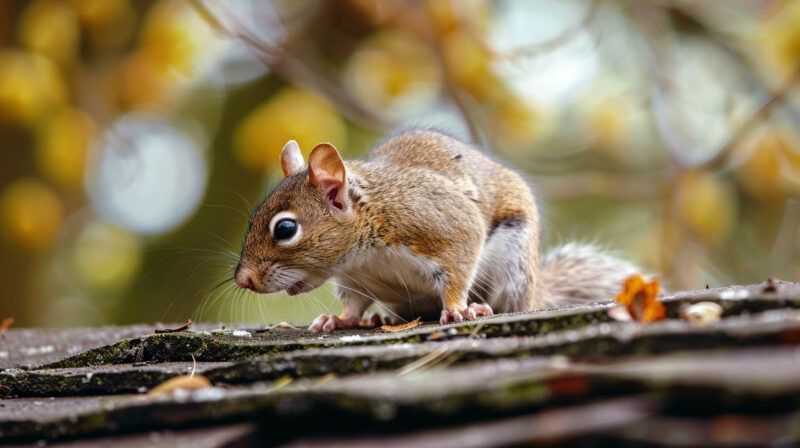
Squirrels are agile climbers, capable of jumping from nearby trees to your roof. Once there, they can chew through shingles, fascia, soffits, and even attic vents in their search for nesting spots. Raccoons, although larger, are equally persistent. They can tear apart shingles or pry open roof decking to gain access to your attic.
Both animals can damage insulation, chew electrical wiring, and leave droppings that pose health hazards. The key to prevention is trimming tree branches and securing any weak points around vents or the roof edge.
Birds
While they might seem harmless, birds can be problematic when they build nests in gutters, chimneys, or under roofing tiles. Their nesting materials can block water flow, cause rot, and even become fire hazards. Additionally, bird droppings are acidic and can degrade roofing materials over time.
Installing bird spikes or mesh guards over openings can help deter nesting without harming the birds.
Bats and Rodents
Bats often squeeze into attic spaces through small gaps in the roofline. Though they don’t chew like rodents, their waste—called guano—can damage insulation and pose respiratory health risks. Rats and mice, on the other hand, will chew through wood, insulation, and wiring. Once inside your attic, they can reproduce rapidly, creating an infestation that leads to costly repairs.
Rodent-proofing your roof starts with sealing gaps and ensuring your attic is properly ventilated and maintained.
Insects
Carpenter ants, bees, and termites may also target your roof—especially wooden structures. These insects can burrow into wood and compromise the structural integrity of beams and decking. Signs of insect infestation include sawdust piles, holes in wood, or visible insect activity around vents and eaves.
Regular inspections and prompt pest control treatments can help eliminate infestations before they escalate.
Signs Your Roof Has Been Invaded
Look for the following warning signs:
- Unexplained noises (scratching or scurrying) in the attic
- Droppings near roof access points or attic corners
- Chewed wires or insulation
- Damaged soffits, shingles, or vents
- Blocked gutters or unusual debris buildup
The Role of Professional Inspections
Because critter damage isn’t always visible from the ground, it’s smart to schedule a roof inspection at least once a year—or after noticing any warning signs. A trained professional will know where to look and how to safely assess potential entry points and damage.
Work With Experts Who Care
Protecting your home starts with choosing the right roofing partner. 180 Contractors Roofing & Siding in Troy, MI is known for providing thorough roof inspections and critter damage assessments. Their team can identify vulnerabilities and reinforce weak spots before pests get in. Visit 180 Contractors Roofing & Siding to learn more.
Trust in Durable Materials
Using high-quality roofing materials from trusted manufacturers like Owens Corning can also enhance your roof’s resistance to pest intrusion. From durable shingles to well-fitted flashing and underlayment, strong materials help eliminate easy entry points.
Final Thoughts
Critters might seem small, but the damage they cause can be huge. Early detection, quality materials, and preventative strategies go a long way in keeping pests from turning your roof into their next nesting site. Don’t wait for a problem—act now to safeguard your home.
Read also our blog:
Hail Damage 101: What Every Homeowner Should Know