Siding serves as a home’s first line of defense against the elements, playing a crucial role in maintaining structural integrity, energy efficiency, and curb appeal. However, siding is not immune to wear and tear. Identifying and addressing common siding issues early can prevent costly repairs and extend the lifespan of a home’s exterior.
Warping and Buckling in Vinyl Siding
Vinyl siding is a popular, cost-effective choice due to its durability and low maintenance. However, improper installation can lead to warping or buckling, especially in areas with fluctuating temperatures.
Causes of Warping and Buckling
- Improper Installation: If vinyl siding is nailed too tightly, it lacks the flexibility to expand and contract with temperature changes.
- Excessive Heat Exposure: Prolonged exposure to direct sunlight or heat from nearby grills can cause distortion.
- Moisture Trapping:
If water becomes trapped behind the siding, it can cause panels to expand and buckle.
Prevention and Solutions
- Professional Installation: Ensure that the siding is installed with proper spacing to allow for thermal expansion.
- Avoid Heat Sources: Keep grills and heat-producing appliances at least 10 feet away from the siding.
- Ventilation and Drainage:
Ensure that there is adequate airflow behind the siding to prevent moisture buildup.
Moisture Damage and Rot in Wood Siding
Wood siding, particularly cedar shake, is prized for its natural beauty, but it is vulnerable to moisture damage and rot if not properly maintained.
Signs of Moisture Damage
- Soft or spongy areas on the siding surface.
- Mold, mildew, or dark stains indicating moisture retention.
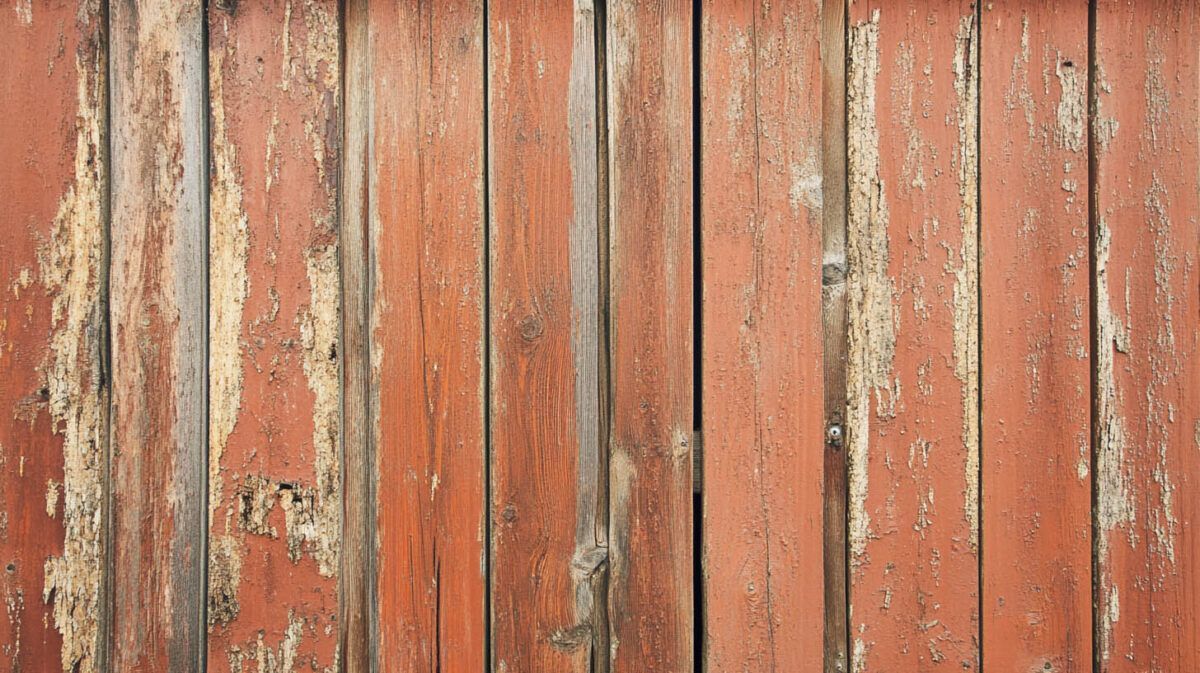
- Peeling paint or warped panels.
Prevention and Solutions
- Apply a Protective Sealant:
Use a high-quality stain or sealant to create a barrier against moisture.
- Install a Vapor Barrier: A moisture-resistant underlayment prevents water infiltration.
- Regular Maintenance: Inspect wood siding annually for signs of damage and reapply sealants as needed.
Cracking and Splitting in Siding Materials
Cracking or splitting siding can compromise insulation and lead to interior water damage. Both vinyl and wood siding can develop cracks due to weather exposure, impact damage, or natural aging.
Causes of Cracks in Siding
- Temperature Fluctuations: Repeated expansion and contraction weaken siding materials over time.
- Storm Damage:
Hail, falling branches, and wind-driven debris can create cracks.
- Aging Materials:
Older siding may become brittle, increasing the likelihood of cracks.
Prevention and Solutions
- Regular Inspections:
Look for small cracks before they develop into major problems.
- Timely Repairs: Replace cracked or broken panels to prevent further damage.
- Choose Durable Materials: Fiber cement and metal siding are more resistant to cracking.
Fading and Discoloration
Sun exposure can cause siding to lose its original color, making a home appear aged and less appealing.
Causes of Siding Fading
- Prolonged UV Exposure: Direct sunlight breaks down the pigments in siding materials.
- Low-Quality Materials: Cheaper siding options may not have adequate UV-resistant coatings.
- Environmental Factors: Pollution, acid rain, and mildew growth contribute to discoloration.
Prevention and Solutions
- Select UV-Resistant Siding:
Choose high-quality siding with built-in fade-resistant technology.
- Use Light Colors: Lighter shades tend to fade less noticeably than darker colors.
- Regular Cleaning: Remove dirt and mildew buildup with gentle cleaning solutions.
Dirt and Debris Accumulation on Vertical Siding
Vertical siding offers a modern aesthetic but requires more maintenance to prevent dirt and water stains from accumulating along panel grooves.
Common Issues with Vertical Siding
Water Streaks: Rainwater can leave streaks and mineral deposits on siding panels.
Dust and Debris Collection: Vertical panels can trap dust, especially in windy climates.
Prevention and Solutions
- Routine Cleaning:
Wash siding with a garden hose or mild detergent every few months.
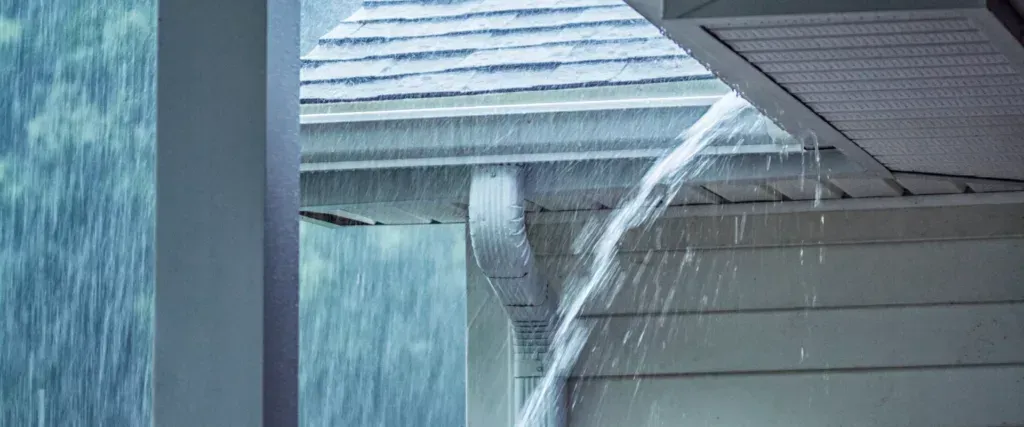
- Proper Drainage: Ensure gutters and downspouts direct water away from the siding.
- Sealant Protection: Apply a protective finish to prevent staining.
When to Consider Siding Replacement
If siding issues persist despite maintenance, full replacement may be necessary. Upgrading to a modern, low-maintenance material can prevent future problems and increase a home’s value.
Signs It’s Time for New Siding
- Frequent Repairs:
Constant patchwork suggests the siding is reaching the end of its lifespan.
- High Energy Bills:
Compromised insulation due to damaged siding can cause temperature fluctuations.
- Widespread Mold or Rot: If large sections of siding are affected, replacement is the most cost-effective solution.
Professional Siding Installation and Maintenance
Ensuring long-lasting siding requires expert installation and quality materials. 180 Contractors Roofing & Siding, located in Rochester Hills, MI, specializes in siding installation and repair services. Our team is recognized for industry-leading craftsmanship and holds certifications including:
- BBB A+ Accredited –
A mark of excellence in customer satisfaction.
- Guildmaster (GuildQuality) – Recognized for superior service.
- INC 5000 –
Ranked among the fastest-growing home improvement companies.
- Google Guaranteed –
Verified for exceptional workmanship.
- Qualified Remodeler Top 100 Satisfaction – Recognized for outstanding exterior remodeling.
We partner with leading brands such as James Hardie, Alside, and Everlast, ensuring homeowners receive premium siding materials with long-lasting performance.
Conclusion
Proper siding maintenance is essential for protecting a home’s structure, enhancing curb appeal, and improving energy efficiency. Addressing issues such as warping, moisture damage, cracking, and fading early can prevent costly repairs. Choosing durable materials and working with experienced professionals guarantees long-term siding performance and a well-maintained home exterior.
Frequently Asked Questions (FAQs)
How often should siding be inspected?
Siding should be inspected at least twice a year—once in the spring and again before winter.
Can warped siding be repaired, or does it need replacement?
Minor warping may be corrected, but severely buckled panels typically require replacement.
What is the best way to clean vinyl siding?
Use a mild soap solution and a soft-bristle brush or a garden hose with a spray attachment.
Does power washing damage siding?
Yes, excessive pressure can force water behind siding panels, leading to mold growth and damage.
What siding material lasts the longest?
Fiber cement, brick veneer, and metal siding offer the longest lifespan, often exceeding 50 years.
Read also our blog:
How Siding Enhances Your Home’s Energy Efficiency