Comparing 6 Top Siding Materials for Your Home
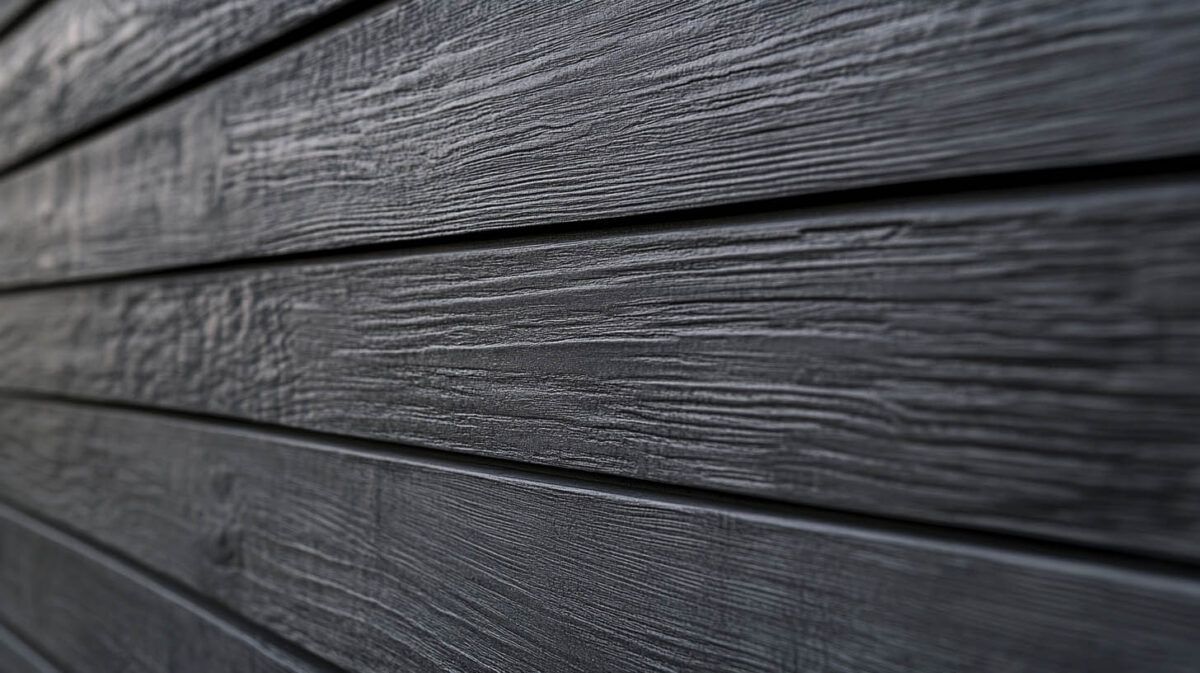
Boosting your new home’s curb appeal begins with picking the right material. Siding does more than look good; it also protects your home and helps with energy efficiency. There are many options to choose from, which can be a little confusing. This guide talks about six popular materials. It weighs the pros and cons of each to help you make an informed decision. This way, you can improve your home’s curb appeal and increase its value.
Understanding Siding Materials and Their Importance
Siding materials play a crucial role in protecting your home from harsh weather conditions while enhancing its aesthetic appeal. By selecting the right choice material, you ensure proper insulation and maintenance, impacting energy efficiency and the overall look of your home. Each material offers a unique blend of advantages and drawbacks, making it essential to consider factors like durability, maintenance requirements, and color options before making an informed decision. Proper installation and regular maintenance contribute to the longevity and performance of your chosen siding material.
The Role of Siding in Home Protection and Aesthetics
Siding plays a crucial role in safeguarding your home from harsh weather conditions and enhancing its exterior design. Beyond protection, siding contributes significantly to the aesthetic appeal and curb appeal of your home. Choosing the right siding material can not only improve insulation properties but also add to the overall value of your property. It is essential to consider both the functional aspect of shielding your home from moisture damage and the visual aspect of complementing your home’s architectural style and design.
How to Select the Right Siding Material for Your Climate
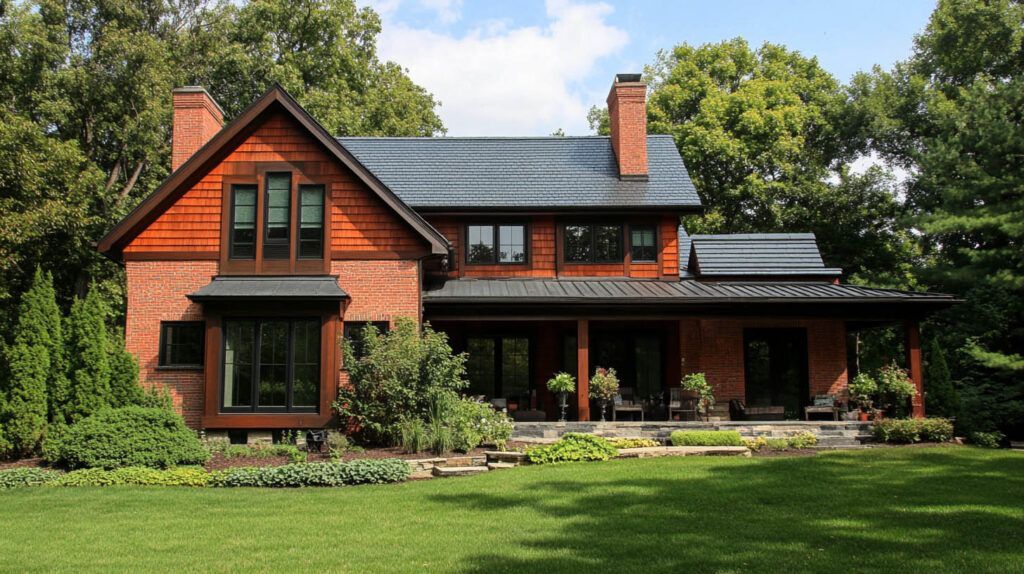
Considering your climate is crucial when choosing siding. In areas with harsh weather, durability like aluminum can be ideal. For energy efficiency and insulation in extreme climates, fiber cement is recommended. Vinyl is low maintenance but may not withstand severe conditions. Each material has pros and cons in different climates. Professional advice can help navigate these choices based on your region’s weather patterns. Making an informed decision can protect your home effectively in the long run.
Vinyl Siding: A Cost-Effective Option
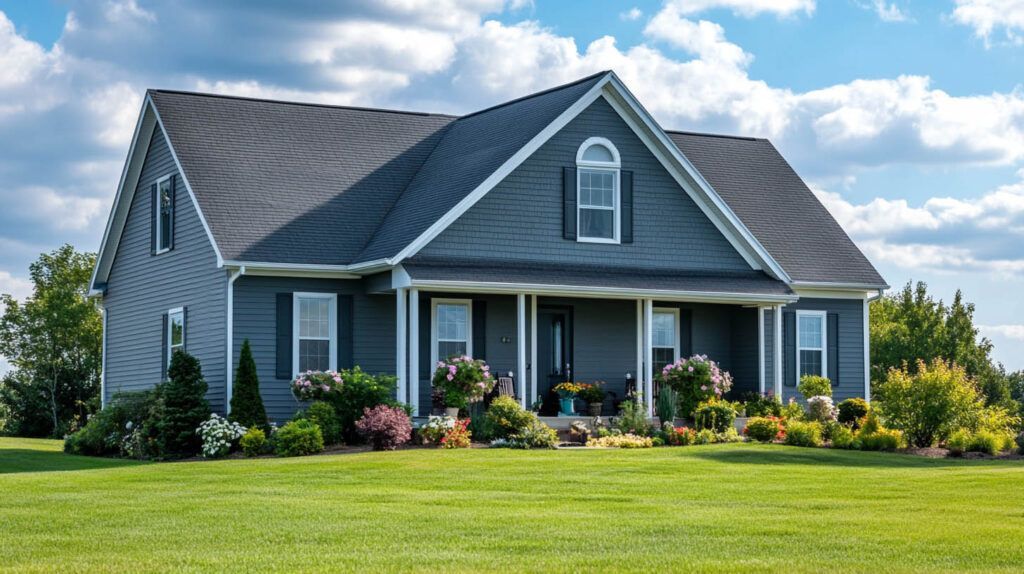
Vinyl siding is a common choice for homeowners who want to save money. It is cheap and does not need a lot of care, which makes it a great option. You can find it in various colors and a wide range of styles. There are even types that look like natural materials. This gives you many ways to match different building styles.
Still, it’s important to consider the downsides of vinyl siding before you decide.
Advantages of Choosing Vinyl Siding
Vinyl siding offers a range of benefits, including low maintenance requirements, excellent insulation properties, and a wide variety of colors to enhance your home’s exterior home design. It is a cost-effective option that provides good insulation, helping to regulate energy costs. With vinyl siding, you can enjoy the look of wood without the regular maintenance required by natural wood siding. Additionally, vinyl siding is durable and can withstand harsh weather conditions, making it a popular choice for many homeowners.
Limitations to Consider with Vinyl Siding
Vinyl siding has some good points, but it also has a few downsides. It’s important to know these issues before making a choice.
One downside of vinyl siding is that it can get damaged by the weather. While it is usually resistant to water, very hot or very cold temperatures can make it warp or crack.
Another thing to think about is that, even though vinyl siding comes in many color options, you cannot easily repaint it. If you want to change your home’s color later, you will most likely need to replace the siding completely.
Wood Siding: Timeless Beauty for Your Home
For many homeowners, wood siding brings a special charm and warmth. It has a classic look that adds elegance and character that other materials can’t match. Wood siding works well with many styles of homes, from traditional to modern farmhouses.
But, keep in mind that wood siding needs regular maintenance. It also has certain weaknesses that you should think about.
Benefits of Wood Siding
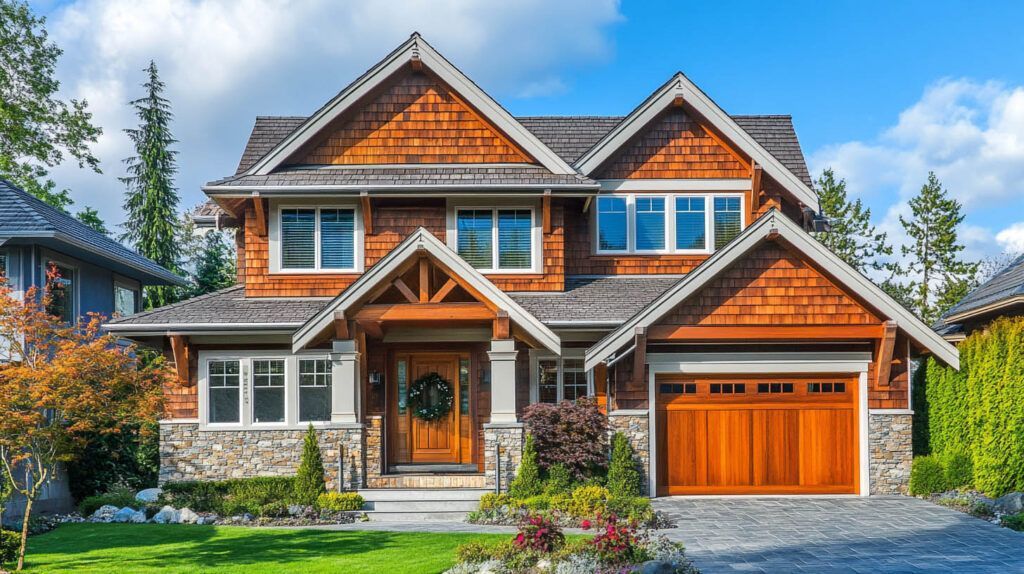
The main benefit of wood shingles siding is its natural beauty. No other style can compare to the warmth and charm wood offers to a home’s outside look. It comes in various styles and different types, each having its own unique grain patterns and color choices, giving you more design options.
Besides looking nice, wood siding is a good insulator, helping a home save energy. If you take care of it, it can last for many years, increasing both your home value and classic style.
Maintenance and Durability Concerns
Vinyl siding requires minimal maintenance, making it a popular choice for homeowners. However, it may crack in harsh weather conditions. Fiber cement siding is durable and low maintenance but needs professional installation to prevent moisture damage. Aluminum siding is lightweight and recyclable but can dent easily. Consider the maintenance requirements and durability of each material to ensure your siding can withstand the test of time. Make an informed decision based on your home’s specific needs and the climate you live in.
Fiber Cement Siding
Fiber cement siding, made from a mixture of Portland cement, sand, and cellulose fibers, is gaining popularity. It is known for being tough, needing little upkeep, and having many design options. This provides great strength and can withstand various weather conditions, including potential weather damage.
However, like any building material, it is important to know about its costs and how long it lasts.
Why Fiber Cement is Growing in Popularity
One reason fiber cement is becoming more popular is that it needs very little maintenance. Unlike wood, you don’t have to repaint it often. It also stands strong against rot, insects, and fire.
Another reason it is popular is its wide variety of styles. Fiber cement siding can look like wood, stucco, or even brick. This gives homeowners many choices to fit their architectural style.
Because it is durable, low maintenance, and comes in different designs, fiber cement is a popular choice for people who want siding that lasts and looks good.
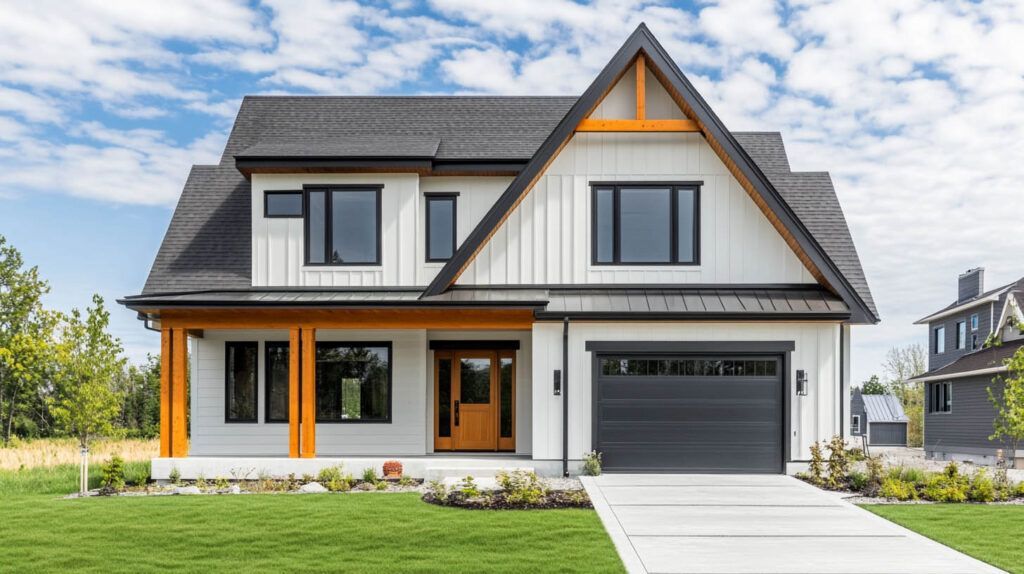
Comparing Costs and Longevity
Fiber cement siding costs more than vinyl siding but less than higher-end options like brick or stone. The cost may vary based on the square foot. You will pay more at first for fiber cement. However, it is strong and doesn’t need much care. This makes it cheaper in the long run.
Fiber cement siding can last over 50 years with little maintenance. That’s much longer than vinyl siding. With this kind of durability, you won’t have to think about replacing your siding for a long time. This will save you money and trouble in the future.
Aluminum Siding
Aluminum siding is a smart and long-lasting choice for homeowners, especially in coastal areas. It resists corrosion and rust, so it handles salty air and moisture well.
It is also lightweight, which makes it easier to install. Plus, aluminum is recyclable, so it is a better option for the environment.
The Advantages of Aluminum Siding
Aluminum siding has many benefits besides not rusting. It does not catch fire easily, unlike wood siding or even steel siding. Plus, it does not let insects through, so you won’t have to worry about pests like termites.
Aluminum siding reflects heat, which helps your home save energy. It is easy to take care of, needing just a few cleanings now and then, and it can last for many years.
This makes it a strong option for many houses. It is especially smart for homes near the coast, where salt air and moisture can damage other types of siding.
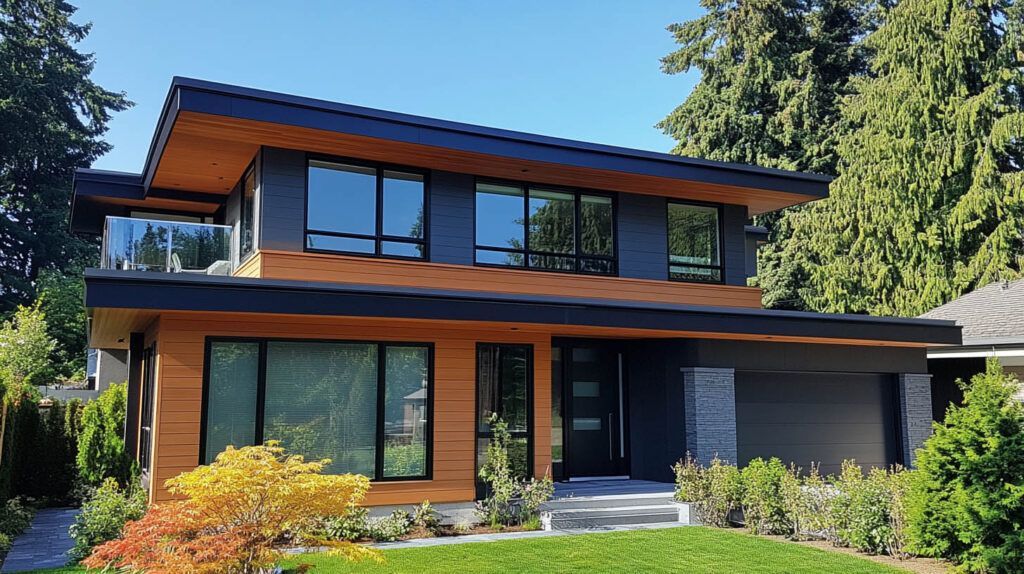
Potential Drawbacks to Bear in Mind
Vinyl siding, despite its benefits, has some drawbacks to consider. It may crack in harsh weather conditions, requiring repairs. Additionally, it can fade over time, impacting the exterior’s aesthetics. Aluminum siding, while lightweight and recyclable, may dent easily, leading to maintenance concerns. It also lacks the insulation properties of other materials, potentially influencing energy efficiency when compared to metal siding. Understanding these drawbacks helps in making an informed decision when selecting the right siding material for your home.
Connect With Us
Selecting the appropriate material for your home is crucial. Each option comes with its own set of advantages and drawbacks. Consider factors like maintenance requirements, durability in harsh weather, insulation properties, and aesthetic appeal to make an informed decision. Whether you opt for vinyl, fiber cement, or aluminum siding, ensure professional installation for longevity. The right siding can enhance your home’s exterior design, increase energy efficiency, and ultimately boost your property’s value, making it an excellent choice for your home. Make your choice wisely to enjoy the benefits for years to come. If you are in Troy, MI, looking for professional installation services, consider our company 180 Contractors Roofing & Siding.
In addition, we are proud to partner with top brands such as James Hardie, Alside, and Everlast to provide the best quality materials for your home. Our commitment to excellence has been recognized through various awards, including being BBB A+ accredited, Guildmaster by Guildquality, listed in the INC 5000, Google Guaranteed, and being named in the Qualified Remodeler top 100 satisfaction list. These partnerships and accolades speak to our dedication to delivering exceptional products and services to our customers.
Frequently Asked Questions
What is the best material for residential siding?
The best material really depends on what is important to you. If you want something affordable, vinyl is a good choice. For strength and long-lasting use, fiber cement is great. Wood gives your home natural beauty. Think about your budget and how you want your home to look. Also, consider how much work you can handle for maintenance. This will help you choose the siding that adds value and energy efficiency to your home.
What type of siding adds the most value to a home?
Fiber cement siding and brick are great choices for increasing property value. They are durable and look good, which adds to the curb appeal. But remember, things like your home’s exterior style and the housing market can also affect this value.
What is the longest lasting exterior siding?
Brick siding can last a very long time, maybe even centuries, if you take care of it. Real stone veneer is also a very strong and durable option. Fiber cement siding can last for 50 years or more with good installation and maintenance. It comes in a wide range of colors and styles.
Read more about
James Hardie Siding with a Variety of Textures and Finishes in our previous blog
GET A FREE QUOTE
We will get back to you as soon as possible.
Please try again later.
Recent Posts