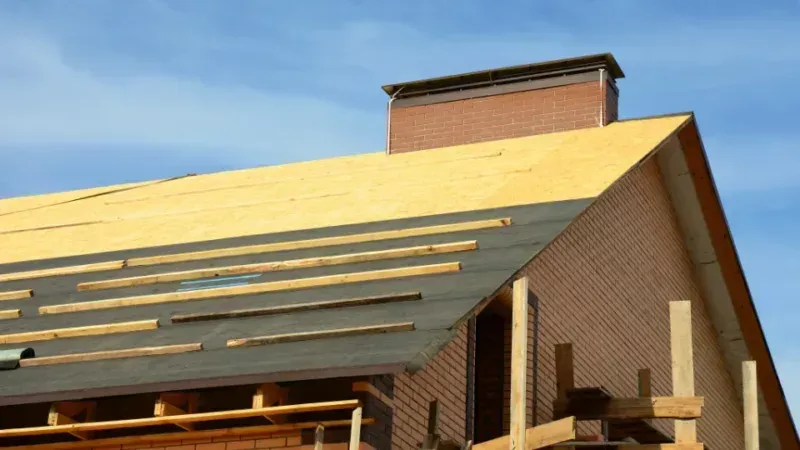
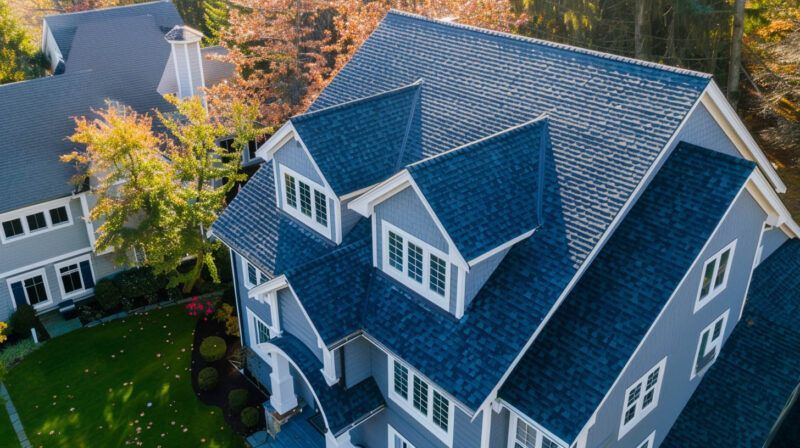
Choosing the right roofing underlayment can make all the difference in protecting your home. While shingles are the outer layer everyone notices, the underlayment is the shield beneath that keeps water out, helps your roof handle tough weather, and supports the structure over time. Many homeowners overlook this step, focusing only on the visible materials, but the truth is that what’s underneath matters just as much. Selecting the right underlayment can prevent leaks, rot, and other issues that lead to costly repairs.
Asphalt-Saturated Felt
For decades, asphalt-saturated felt has been a go-to option for many homes. Made from a base of paper or fiberglass coated with asphalt, this underlayment has been widely used because it is affordable and readily available. It does a solid job resisting moisture when installed correctly, but it’s not as tough as newer materials. It can wrinkle, absorb water, and tear more easily, especially during installation in windy conditions. While felt is still effective in many situations and works well for homeowners on a budget, it may not be the best long-term solution in areas with harsh climates.
Synthetic Underlayments
Synthetic underlayments have gained popularity because they address many of the limitations of felt. Made from engineered materials such as polypropylene or polyethylene, these sheets are lightweight yet incredibly strong. Contractors appreciate how easy they are to handle, while homeowners value their resistance to tearing and UV exposure. Synthetic underlayments can stay exposed to the elements for longer if your roofing project faces delays, which is an advantage during unpredictable weather. They also shed water better, providing a reliable barrier even under extreme conditions. Though they may cost more upfront, their durability often saves homeowners money over time by reducing maintenance and preventing early roof failures.
Rubberized Asphalt
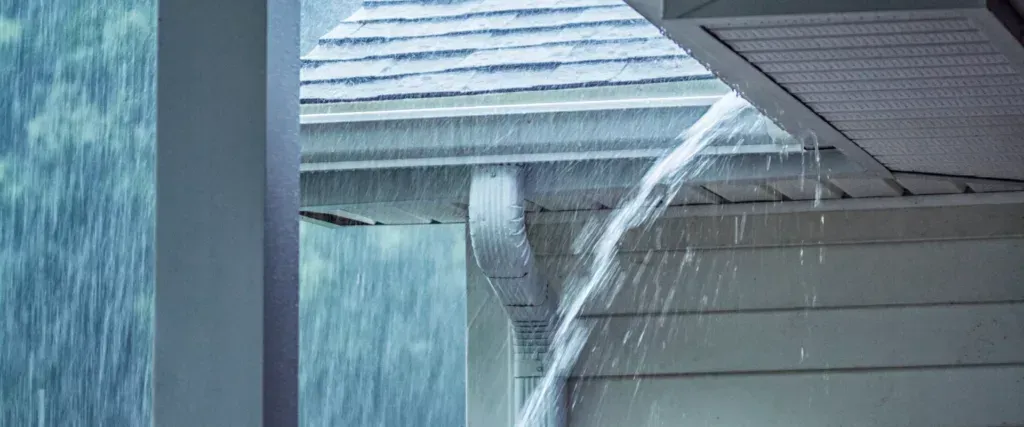
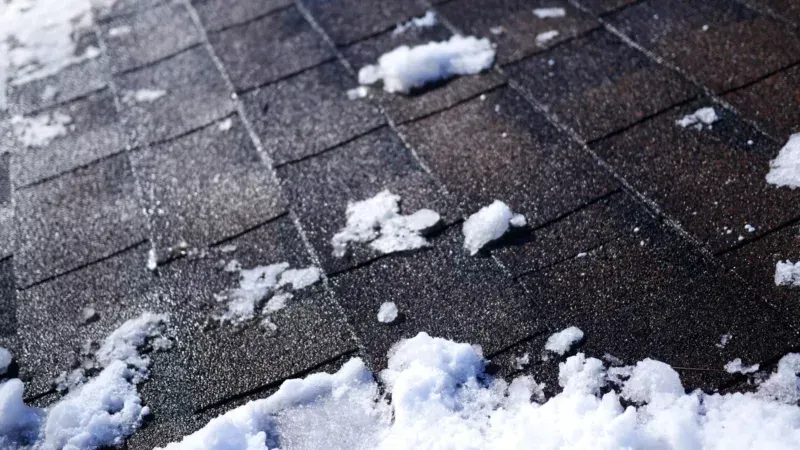
Rubberized asphalt is the most protective of the three. This material offers a waterproof seal and self-healing properties around nails and fasteners, which significantly lowers the risk of leaks. It’s commonly used in areas vulnerable to heavy rainfall, snow buildup, or ice dams. Rubberized asphalt underlayment adheres tightly to the roof deck, creating a secure, watertight layer that won’t budge. Because of its premium quality, it comes with a higher price tag and usually requires skilled installation. However, for homeowners in regions with severe weather or those seeking maximum peace of mind, the investment can be worth it.
Making the Right Choice for Your Roof
No single underlayment is perfect for every situation. The best option depends on your home’s location, the design of your roof, and your budget. Asphalt felt remains a serviceable choice for many homes, synthetic underlayments provide excellent overall performance, and rubberized asphalt offers unmatched protection in challenging conditions. The key is to work with a contractor who understands these materials and can recommend the best fit for your home. A knowledgeable team will not only select the right underlayment but also install it with the care and attention it requires.
Work with Experts You Can Trust
Home remodeling can be stressful when the wrong team is involved. At 180 Contractors, we understand that your home is one of your most valuable investments. That’s why we are committed to managing every project with precision, keeping disruptions to a minimum while delivering top-quality results. Our team works closely with you to recommend the right materials, explain your options, and complete the job to the highest standards.
Protecting your home starts with the right foundation under your shingles. Don’t leave it to chance.
Contact us today to schedule your consultation and see how 180 Contractors can help you get the best roofing solution for your home.