Comparing the Best Siding Materials for Your Home
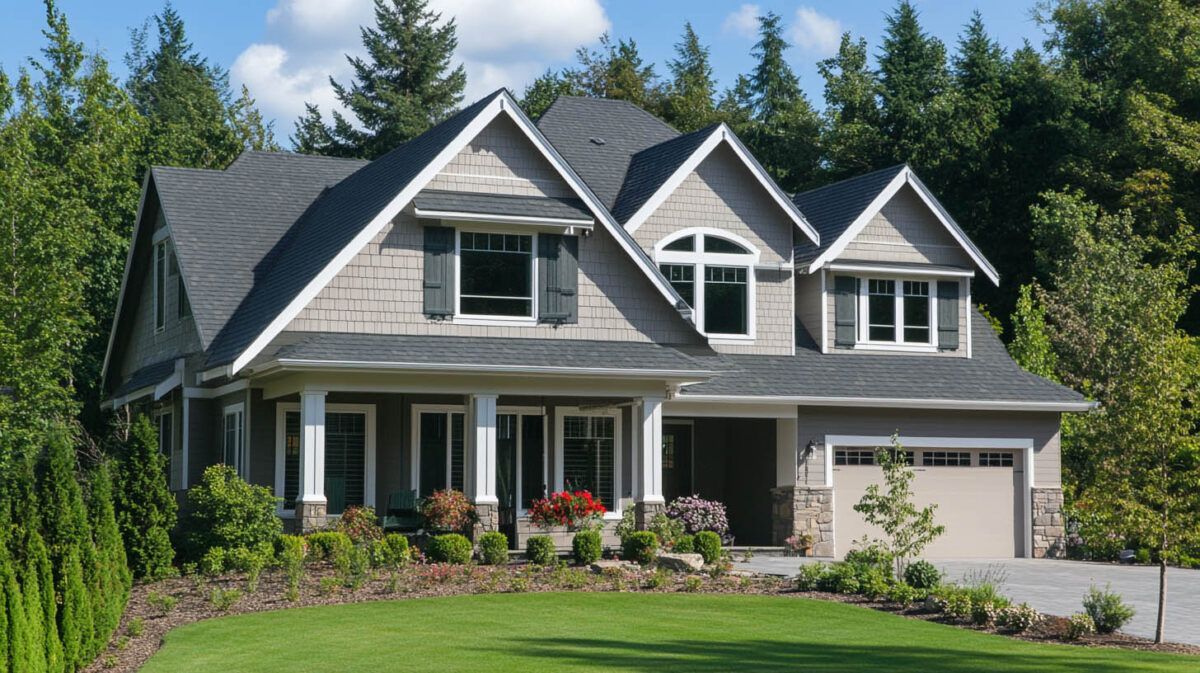
Choosing the Right Siding for Your Home
The siding of a home is one of its most critical components, impacting aesthetics, energy efficiency, durability, and overall property value. Selecting the right material is essential for long-term performance and protection against the elements. Below, we compare the top siding materials based on cost, maintenance, durability, and environmental factors to help homeowners make an informed decision.
1. Vinyl Siding: Affordable and Low Maintenance
Vinyl siding is one of the most commonly used materials due to its affordability and ease of installation. Made from PVC (polyvinyl chloride), it provides a durable and cost-effective solution for many homeowners.
Pros:
- Budget-Friendly: One of the most affordable siding options on the market.
- Low Maintenance: Requires occasional cleaning with soap and water.
- Variety of Colors and Styles: Available in different textures, including wood-look finishes.
- Pest and Rot Resistant: Unlike wood, vinyl does not attract insects or succumb to moisture damage.
Cons:
- Durability Issues: Prone to cracking, warping, and fading over time.
- Limited Repair Options: Difficult to replace individual damaged panels without noticeable differences.
- Environmental Concerns: PVC is not biodegradable and has a larger carbon footprint than other siding materials.
Best For:
- Budget-conscious homeowners.
- Rental properties and starter homes.
- Areas with moderate climates.
2. Wood Siding: Classic Appeal with High Maintenance
Wood siding is known for its timeless, natural aesthetic. Available in styles such as clapboard, cedar shakes, and board-and-batten, it complements traditional and rustic home designs.
Pros:
- Aesthetic Versatility: Provides a warm, organic look that enhances curb appeal.
- Customizable: Can be painted or stained in any color.
- Environmentally Friendly: A renewable resource when sourced responsibly.
Cons:
- High Maintenance: Requires regular staining, sealing, and repainting to prevent decay.
- Vulnerability to Pests and Moisture: Susceptible to termite damage, rot, and mold if not properly treated.
- Fire Risk: Unless treated with fire-resistant chemicals, wood siding is flammable.
Best For:
- Homeowners prioritizing natural materials and aesthetics.
- Historic home restorations.
- Dry climates where moisture-related damage is less of a concern.
3. Brick Siding: Durable and Timeless
Brick siding, made from fired clay, is a high-end option that has been used for centuries due to its strength and longevity.
Pros:
- Exceptional Durability: Can last over 100 years with minimal maintenance.
- Fire and Pest Resistant: Does not attract termites or combust in fires.
- Energy Efficiency: Provides excellent insulation, reducing heating and cooling costs.
Cons:
- High Installation Cost: Requires skilled masonry and is labor-intensive.
- Limited Color Options: Paintable, but changes are often permanent.
- Heavy Material: Requires a strong foundation to support its weight.
Best For:
- Traditional and historic homes.
- Homeowners looking for a long-term investment.
- Homes in areas with extreme weather conditions.
4. Stucco Siding: Energy-Efficient but High Maintenance
Stucco is a cement-based material used primarily in Mediterranean, Spanish, and Southwestern-style homes. It creates a smooth or textured finish and can be tinted in a range of colors.
Pros:
- Energy Efficient: Provides excellent insulation, keeping homes cooler in hot climates.
- Fire Resistant: Non-combustible material enhances safety.
- Durable in Dry Climates: Performs well in arid regions with minimal maintenance.
Cons:
- Moisture Susceptibility: Cracks easily in wet climates, leading to costly repairs.
- Difficult to Repair: Damaged stucco often requires extensive patching and refinishing.
- Installation Complexity: Requires professional application for long-lasting results.
Best For:
- Homes in hot, dry climates.
- Mediterranean, Southwestern, and Spanish-style architecture.
- Homeowners seeking a unique textured exterior.
5. Stone and Stone Veneer: Luxurious but Expensive
Natural stone and manufactured stone veneer provide an upscale appearance and exceptional durability. Common choices include granite, limestone, and slate.
Pros:
- High-End Aesthetic: Adds a sophisticated, natural beauty to any home.
- Durability: Resistant to extreme weather, fire, and pests.
- Low Maintenance: Requires minimal upkeep compared to wood or stucco.
Cons:
- High Material and Installation Cost: One of the most expensive siding options.
- Weight Considerations: Requires a reinforced foundation for installation.
- Limited Availability: Natural stone can be costly and difficult to source.
Best For:
- High-end custom homes.
- Accent walls and partial siding applications.
- Homeowners looking for a long-lasting, luxurious finish.
6. Fiber Cement Siding: The Best All-Around Choice
Fiber cement siding, made from a blend of cement, sand, and cellulose fibers, is one of the most versatile and durable options available. Brands like James Hardie offer engineered fiber cement products designed to withstand specific climate conditions.
Pros:
- Highly Durable: Resists moisture, rot, pests, and extreme weather conditions.
- Fire Resistant: Non-combustible, offering superior safety.
- Aesthetic Versatility: Available in various textures, including wood-look styles.
- Low Maintenance: Requires occasional cleaning but does not rot or warp like wood.
Cons:
- Higher Initial Cost: More expensive than vinyl but offers better long-term value.
- Professional Installation Required: Heavy material requires skilled handling.
Best For:
- Homeowners seeking durability and longevity.
- Any architectural style, from traditional to modern.
- Homes in regions with variable weather conditions.
Choosing the Best Siding for Your Home
Each siding material has its advantages and trade-offs, making it essential to consider climate, budget, maintenance expectations, and aesthetic preferences when making a decision.
| Siding Type | Cost | Durability | Maintenance | Fire Resistance | Pest Resistance | Aesthetic Appeal |
|---|---|---|---|---|---|---|
| Vinyl | Low | Moderate | Low | Low | High | Moderate |
| Wood | High | Low | High | Low | Low | High |
| Brick | High | Very High | Low | High | High | High |
| Stucco | Medium | Moderate | Moderate | High | High | High |
| Stone | Very High | Very High | Low | High | High | Very High |
| Fiber Cement | Medium | Very High | Low | High | High | High |
Expert Siding Installation with Trusted Professionals
Homeowners looking for expert siding installation can rely on 180 Contractors Roofing & Siding, located in Waterford, MI. With extensive experience in home exteriors, we provide top-quality siding solutions that enhance both durability and aesthetic appeal.
Certifications and Partnerships:
- BBB A+ Accredited for exceptional business standards.
- Guildmaster (GuildQuality) recognition for superior customer satisfaction.
- INC 5000 acknowledgment as a top-growing company.
- Google Guaranteed for verified, high-quality services.
- Qualified Remodeler Top 100 Satisfaction award.
- Trusted Partnerships: James Hardie, Alside, Everlast.
Frequently Asked Questions (FAQs)
1. What is the longest-lasting siding material?
Brick and stone can last over 100 years, while fiber cement siding offers a durable, long-term solution with a 30-50 year lifespan.
2. Which siding is the most energy-efficient?
Stucco and brick provide good insulation, but fiber cement with proper underlayment offers excellent energy efficiency.
3. Is fiber cement siding worth the investment?
Yes, fiber cement siding offers superior durability, low maintenance, and high resale value, making it a cost-effective choice over time.
4. Can vinyl siding be painted?
Yes, but it requires specialized paint, and the color may fade over time.
5. Which siding requires the least maintenance?
Fiber cement and brick require the least maintenance compared to wood and stucco.
Conclusion
Selecting the best siding material depends on budget, climate, and desired aesthetics. Fiber cement siding emerges as the top choice for homeowners seeking durability, style, and long-term value.
Read also our blog:
Why Hardie Trim Is the Best Choice for Your Home
GET A FREE QUOTE
We will get back to you as soon as possible.
Please try again later.
Recent Posts