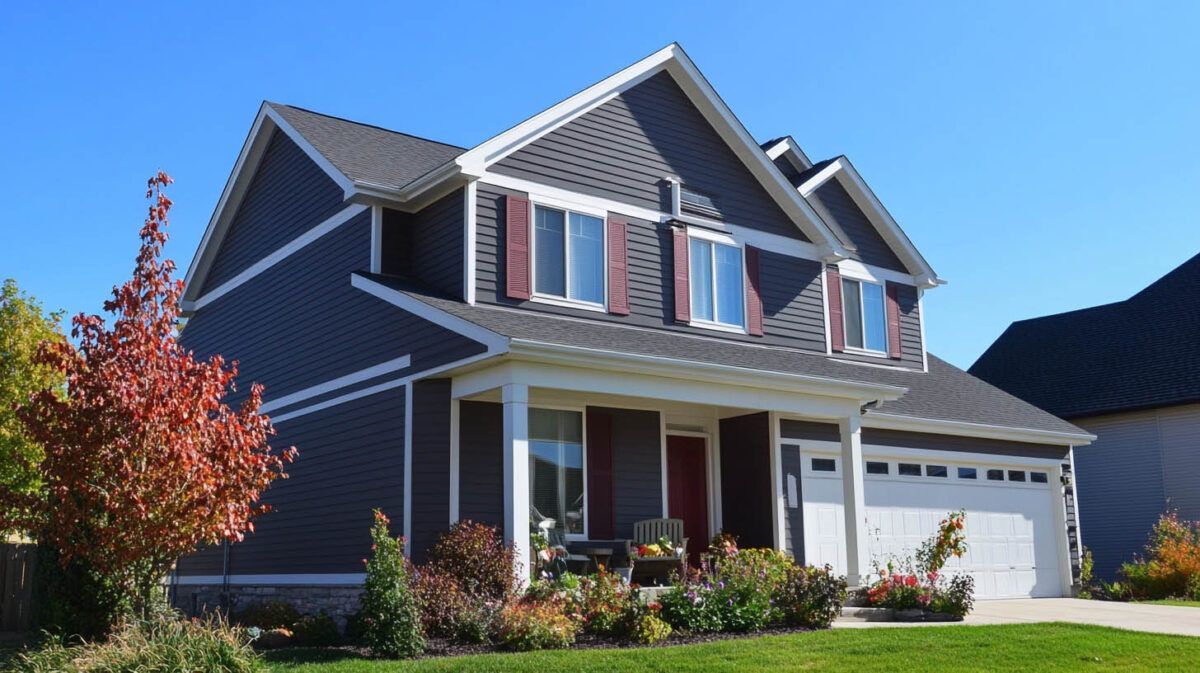
Comprehensive Guide to Vinyl Siding for Homeowners

Understanding Your Siding Financing Options
Replacing siding is a crucial investment that enhances a home’s durability, energy efficiency, and curb appeal. However, the cost of new siding can be significant, making financing an important consideration. Homeowners have multiple funding options, each with its own advantages and considerations. Selecting the right financing method depends on factors such as credit score, home equity, interest rates, and long-term financial goals.
Top Financing Options for Siding Replacement
1. Home Equity Loan
A home equity loan enables homeowners to borrow against the equity in their property, offering a lump sum payment with a fixed interest rate and a defined repayment term.
Advantages
- Fixed monthly payments make budgeting easier.
- Typically offers lower interest rates than personal loans or credit cards.
- Can be used for various home improvement projects, including siding replacement.
Considerations
- Requires sufficient home equity, generally at least 15-20%.
- Homeowners risk foreclosure if they fail to repay the loan.
- May involve closing costs or appraisal fees.
2. Home Equity Line of Credit (HELOC)
A HELOC functions like a credit card, allowing homeowners to borrow against their home’s equity up to a predetermined limit. Funds can be accessed as needed, making it a flexible option for siding projects.
Advantages
- Borrow only what is needed, reducing unnecessary interest costs.
- Offers lower interest rates than unsecured loans.
- Ideal for ongoing home renovations.
Considerations
- Variable interest rates can increase over time.
- The home is used as collateral, creating a risk if payments are not made.
- Requires strong credit and financial stability.
3. Mortgage Refinancing
Mortgage refinancing allows homeowners to replace their existing mortgage with a new one, often securing a lower interest rate or additional cash for home improvements like siding replacement.
Advantages
- Can lower overall monthly mortgage payments if rates are favorable.
- Access to significant funds for major renovations.
- Potential tax benefits if interest is deductible.
Considerations
- Extends mortgage repayment, possibly increasing long-term costs.
- Requires a good credit score and home equity.
- Closing costs and refinancing fees may apply.
4. Personal Loans
A personal loan is an unsecured loan that does not require home equity. Homeowners can secure funds quickly, often with fixed interest rates and set repayment terms.
Advantages
- No home equity or collateral required.
- Quick approval process.
- Fixed monthly payments for easier budgeting.
Considerations
- Interest rates are typically higher than home equity options.
- Loan amounts may be lower, depending on creditworthiness.
- Monthly payments could be higher due to shorter repayment terms.
5. Government-Backed Loans and Grants
Government programs such as FHA 203(k) loans and Fannie Mae HomeStyle® Renovation loans help homeowners finance home improvements, including siding replacement. These loans consider the home’s post-renovation value, making them useful for significant upgrades.
Advantages
- Designed specifically for home improvement projects.
- May offer competitive interest rates.
- Some programs provide grants that do not require repayment.
Considerations
- Strict eligibility requirements apply.
- Approval process can take longer than traditional loans.
- Some programs require licensed contractors and specific project guidelines.
6. Contractor Financing Plans
Many reputable siding contractors offer financing options directly to homeowners, often partnering with financial institutions to provide flexible payment plans.
Advantages
- Convenient and quick application process.
- Flexible repayment terms.
- May offer promotional rates or no-interest financing for a limited time.
Considerations
- Interest rates may be higher than traditional loans if promotional terms expire.
- Not all contractors offer financing, limiting options.
- Requires careful review of contract terms and interest rates.
Comparing Siding Financing Options
| Financing Method | Interest Rates | Loan Type | Collateral Required | Repayment Term | Best For |
|---|---|---|---|---|---|
| Home Equity Loan | Low | Lump sum | Yes | 10-30 years | Homeowners with equity |
| HELOC | Variable | Credit line | Yes | Varies | Homeowners needing flexibility |
| Mortgage Refinance | Low | Lump sum | Yes | 15-30 years | Homeowners looking to lower rates |
| Personal Loan | Moderate to High | Lump sum | No | 3-7 years | Borrowers without home equity |
| Government Loans | Low to Moderate | Lump sum | Sometimes | Varies | Eligible homeowners with low credit |
| Contractor Financing | Varies | Payment plan | Sometimes | Varies | Homeowners preferring contractor-based loans |
Choosing the Best Financing Solution
The best financing option depends on factors such as interest rates, repayment terms, credit history, and available home equity. Homeowners should:
- Assess Their Budget – Determine how much can be comfortably allocated to siding replacement without financial strain.
- Compare Interest Rates – Lower interest rates reduce long-term repayment costs.
- Consider Loan Terms – Shorter repayment periods may lead to higher monthly payments but lower overall costs.
- Evaluate Home Equity – If significant equity exists, home equity loans or HELOCs may be more affordable.
- Review Credit Scores – A higher credit score increases eligibility for better loan terms.
Working with a Trusted Siding Contractor
Securing financing is just one part of a successful siding project. Choosing an experienced contractor ensures high-quality installation and long-term durability. 180 Contractors Roofing & Siding, located in Waterford, MI, offers expert siding services backed by industry certifications such as BBB A+ accreditation, Guildmaster (Guildquality), INC 5000, Google Guaranteed, and Qualified Remodeler Top 100 Satisfaction. Partnering with brands like James Hardie, Alside, and Everlast, we provide homeowners with high-performance siding solutions tailored to their needs.
Frequently Asked Questions (FAQs)
How much does siding replacement cost?
The cost varies by material, home size, and labor, but most homeowners spend between $5,000 and $15,000 for a full siding replacement.
Can I finance siding replacement with bad credit?
Options such as government-backed loans, contractor financing, or credit union personal loans may be available for homeowners with lower credit scores.
Which financing option has the lowest interest rate?
Mortgage refinancing and home equity loans typically offer the lowest rates, but eligibility depends on home value and credit history.
Is financing a siding replacement worth it?
Yes, siding replacement enhances curb appeal, improves energy efficiency, and increases home value, making it a worthwhile investment.
How can I get the best deal on siding financing?
Compare loan terms, interest rates, and repayment options across multiple lenders and contractors before making a decision.
Conclusion
Financing siding replacement is a practical way to improve a home’s exterior without overwhelming upfront costs. Homeowners should explore various loan options, compare interest rates, and assess long-term financial commitments before choosing the best financing method. With the right plan and a reliable contractor, siding replacement becomes an investment that enhances property value, energy efficiency, and long-term durability.
Read also our blog:
Essential Questions to Ask Before Hiring a Siding Contractor

GET A FREE QUOTE
We will get back to you as soon as possible.
Please try again later.
Recent Posts