Cool Roofs vs. Traditional Roofs: Pros and Cons
Choosing the right roof affects your energy costs and home comfort. At 180 Contractors Roofing & Siding in Bloomfield Hills, MI, we help homeowners understand their options. Cool roofs, with high solar reflectance and strong thermal emittance, effectively keep you cooler in warm climates, while traditional roofs can increase summer cooling costs. Our certified team guides you through the pros and cons of each type to find the best fit for your needs. Let’s explore the differences between cool and traditional roofs together!
Understanding Cool Roofs
Cool roofs are more than a trend; they effectively manage your home or business’s building’s temperature. By reflecting solar energy and dissipating heat, cool roofs significantly lower roof temperatures compared to traditional roofs.
With less heat absorbed, indoor spaces remain cooler, even without air conditioning. Before opting for a cool roof, understand how they work and consider which type suits your climate and building design.
Definition and Basic Principles of Cool Roofs
Cool roofs use materials or coatings with high solar reflectance and thermal emittance. Solar reflectance measures a roof’s ability to reflect visible light and infrared rays, keeping buildings cooler by directing heat away. Thermal emittance indicates how effectively a roof releases absorbed heat back into the air.
These features make cool roofs ideal for hot climates. Unlike dark roofs that absorb heat, cool roofs can be up to 50°F cooler in sunlight. Many cool roofs utilize reflective materials or special paints to enhance energy efficiency across various building types.
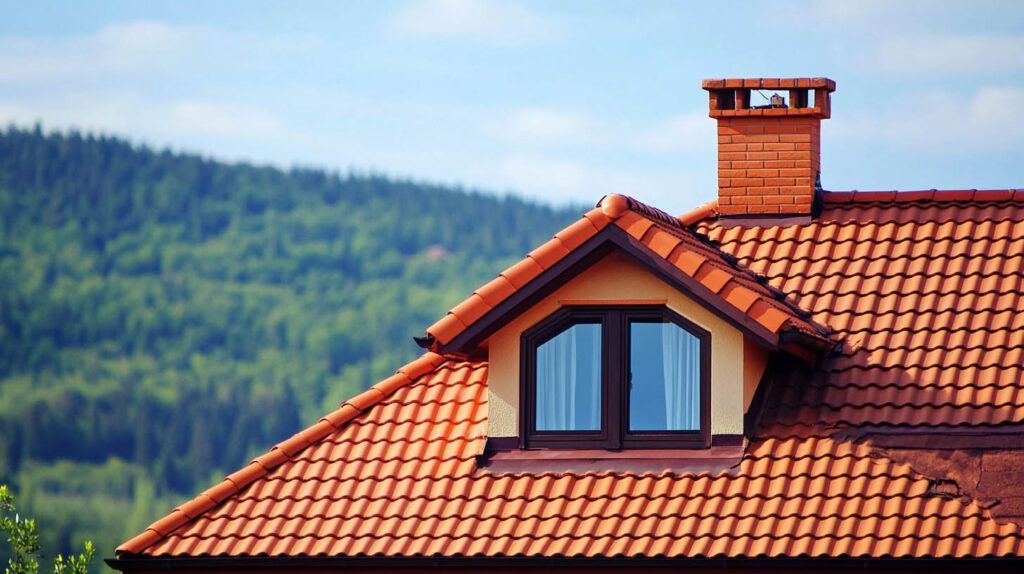
How Cool Roofs Reflect Sunlight and Heat
Cool roofs use reflective materials to shield against the sun’s rays, reflecting most solar energy and reducing heat absorption compared to regular roofs. This keeps buildings cooler.
Light-colored roofs or coatings effectively bounce sunlight away, decreasing heat entry and lowering air conditioning usage. Some cool roofs even utilize advanced reflective materials in darker shades that still minimize heat absorption.
Benefits of Installing Cool Roofs
Investing in cool roofs offers numerous benefits. Firstly, they enhance energy efficiency by lowering indoor temperatures, reducing the need for air conditioning and saving on energy bills in the long run. Homeowners may also qualify for rebates from utility or government programs that promote green initiatives.
Additionally, cool roofs contribute to environmental protection by reducing air pollution and mitigating heat issues in urban areas, providing various environmental benefits. With less reliance on air conditioning, there’s a decrease in emissions. They can also extend roof lifespan due to cooler temperatures. However, it’s important to consider some factors before opting for a cool roof.
Energy Efficiency and Cost Savings
Cool roofs enhance energy efficiency and reduce energy use, especially in warm climates, by reflecting sunlight and reducing indoor heat. This leads to lower energy bills for homeowners and business owners. For those with older HVAC systems, cool roofs can prevent overheating during hot summers.
By keeping buildings cooler, energy costs may drop by 20-30%, and lower rooftop temperatures can extend roof lifespan, minimizing maintenance needs.
Many energy companies offer rebates for choosing cool roofs, adding to the financial benefits. Whether for new construction or replacements, cool roofs provide both immediate and long-term savings, ensuring your investment pays off.
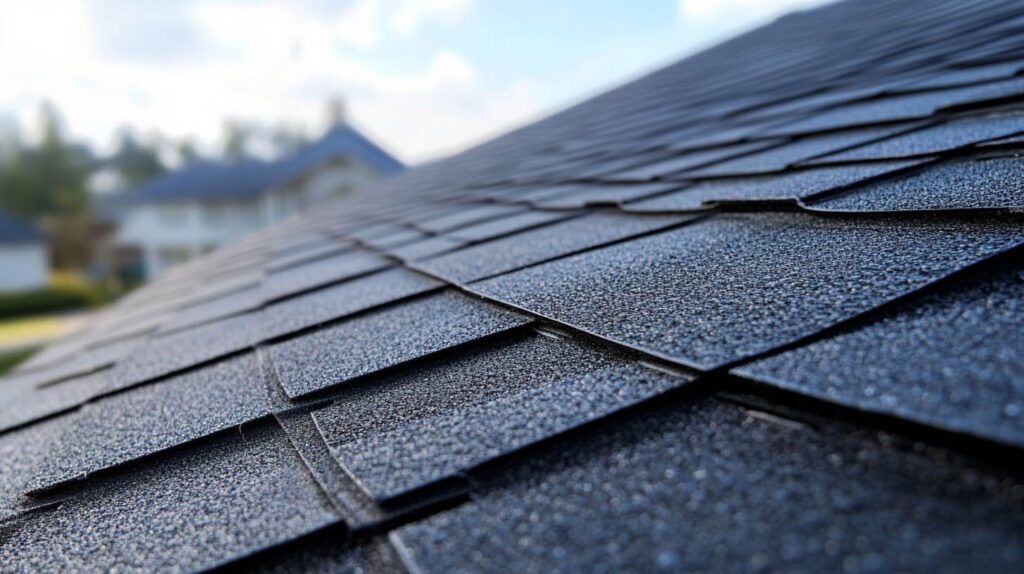
Environmental Impact and Sustainability
Cool roofs save money and benefit the planet by reducing greenhouse gas emissions and air pollution, contributing to sustainability. They lower peak electricity use, easing strain on power grids during hot months of high demand.
In communities, cool roofing can mitigate the urban heat island effect. Reflective roofs counteract heat absorption from dark surfaces, helping to cool local temperatures.
Choosing cool roofing aligns with eco-friendly building practices. The environmental advantages include reduced energy-related pollution and smog, allowing homeowners to decrease their carbon footprint. Cool roofs address climate issues while maintaining design flexibility.
Enhanced Comfort in Building Interiors
Indoor comfort hinges on effective temperature control. Cool roofs prevent heat from entering buildings, enhancing comfort even in strong summer sun. They are especially beneficial for spaces without air conditioning.
Cool roofs reduce the burden on HVAC systems, leading to lower energy usage and more stable indoor temperatures. This improves comfort in homes, offices, and warehouses, making it easier for people to work and relax.
Challenges Associated with Cool Roofs
Cool roofs, despite their benefits, have some drawbacks. They can face moisture issues in cold or humid areas and may attract algae growth, leading to increased maintenance. In cooler climates, they can also raise winter heating costs since they absorb less sunlight, requiring more energy for warmth. These challenges highlight the importance of careful planning and consulting roofing experts like 180 Contractors Roofing & Siding, who can assess properties and recommend the best cool roof solutions.
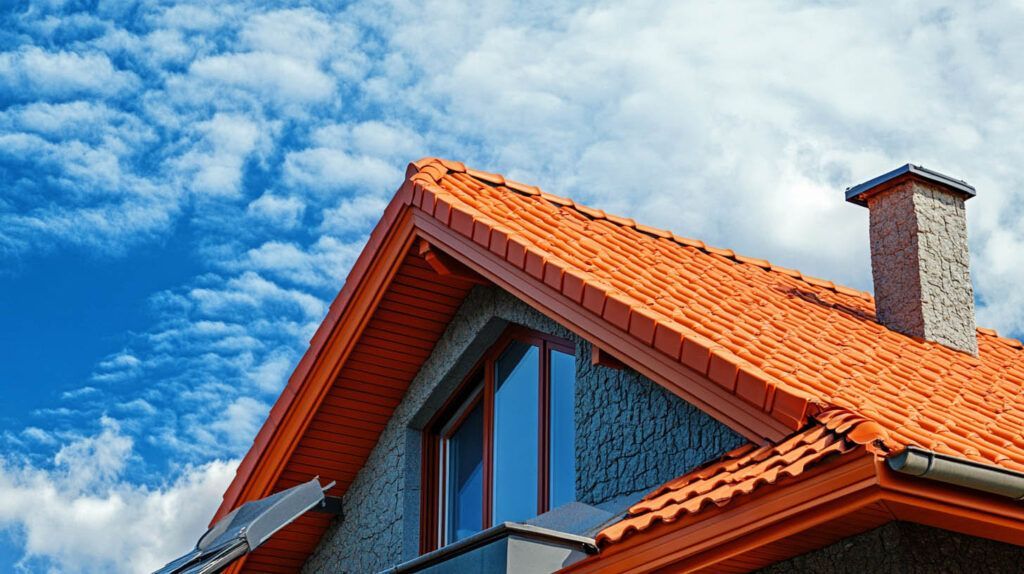
Potential Moisture Issues
Moisture can accumulate in cool roofs, especially in cold or wet climates. While polymer shingles effectively repel water, certain coatings may cause condensation.
Chemical adhesives and coatings can trap moisture beneath reflective surfaces, leading to mold and water damage if not addressed. However, proper installation and moisture-resistant adhesives can prevent most issues.
Consulting experienced contractors is crucial for ensuring your cool roof functions effectively and remains durable against environmental moisture.
Longevity and Durability Concerns
The lifespan of cool roofs depends on their materials and placement. Some cool coatings and light-colored shingles may wear out faster than non-reflective options.
Cool roofs tend to last longer as they absorb less heat. However, applying cool coatings to older buildings can weaken the roof. Using durable materials like polymer shingles or high-emittance cool coatings can prevent premature damage.
Regular maintenance is essential for optimal performance and longevity. Routine inspections ensure the roof maintains its reflective properties and remains in good condition.
Limitations in Colder Climates
A major drawback of cool roofs is their reduced effectiveness in colder climates, particularly in cold climates. While reflective surfaces keep heat out in summer, they also hinder warmth absorption from the sun in winter. This results in increased energy consumption for heating, reducing overall energy efficiency during colder months.
Cool roofs are most beneficial in warmer climates; traditional roofs often perform better in regions with extended cold weather. Cool roofs achieve the greatest cooling savings, so always consider your local climate when choosing between cool and traditional roofs to maximize cost-effectiveness and performance.
Next, we’ll compare the pros and cons of both roof types.
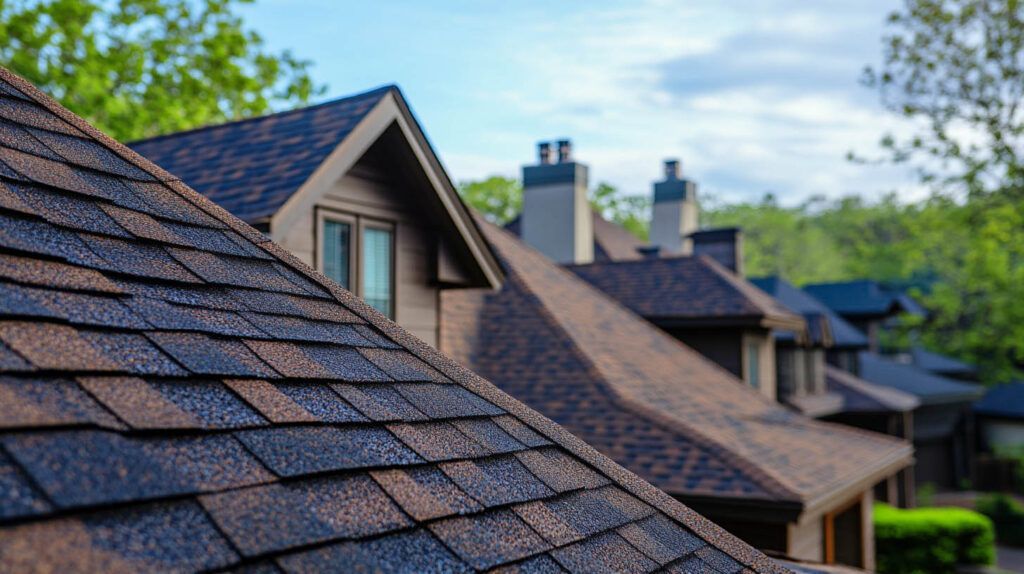
Comparing Cool Roofs with Traditional Roofs
Both cool roofs and traditional roofs have their own good and bad points. Cool roofs are great for energy savings. They also help the environment a lot, mostly in hot places. Traditional roofs, which are another type of roof, can take in more of the sun’s heat. This can help lower heating costs in the winter.
The look, upkeep, and cost of each type are different. You have room to choose what fits you or your needs the most. If you look more into these things, you can make an informed decision about what is best for your property.
Aesthetics and Design Options
Color plays a crucial role in both cool roofing and traditional roofs. Traditional roofs come in various color options, offering homeowners options to match their exterior. Initially, cool roofing was limited to light colors, but now there are “cool-colored” granules available in darker shades.
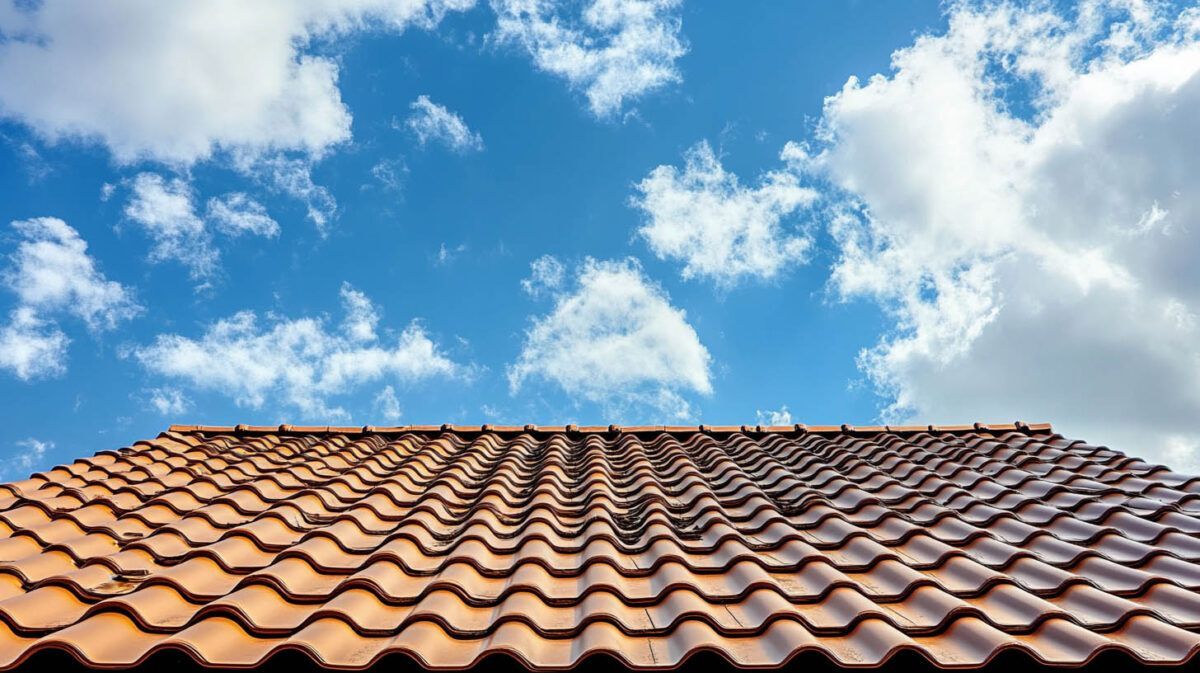
Materials like clay tiles, asphalt shingles, and metal shingles can be used for cool roofing, providing aesthetic appeal and functionality. Whether you prefer a modern or rustic style, both cool and traditional roofs can deliver the desired look.
Maintenance and Repair Differences
Maintaining a cool roof involves ensuring its sunlight reflectivity. Lighter colors and coatings may require more frequent cleaning than traditional roofs to prevent dirt or algae buildup.
In contrast, traditional roofs often suffer from weather damage but typically hide dirt better. Repairing a cool roof may involve applying a new reflective coating to maintain performance. Regular roof inspections can help catch repairs early, reducing costs and extending the roof’s lifespan.
Initial Investment and ROI Comparison
While cool roofs may have higher initial costs than traditional roofing, they offer significant long-term financial benefits of cool roofs. .Reflective materials and coatings lower energy bills, especially in warmer climates where air conditioning is vital. Over time, energy savings often exceed initial investments, providing a favorable ROI.
Additionally, property owners may see increased value and potential rebates from government programs recognizing the environmental advantages, like reduced greenhouse gas emissions and less urban heat. Choosing the right roofing type can positively affect both personal finances and community health.
Get in Touch
Choosing between cool roofs and traditional roofs depends on factors like climate and personal preference. At 180 Contractors Roofing & Siding, located in Bloomfield Hills, MI, we understand that in warmer urban areas, cool roofs can lower energy consumption and indoor temperatures, resulting in significant energy savings. However, traditional roofing remains popular due to its familiarity and lower initial cost. Our team specializes in both options, ensuring that homeowners are well-informed about the benefits of each. We are proud of our accolades, including Owens Corning Preferred status and BBB A+ accreditation, and recognition in INC 5000 as well as the Qualified Remodeler top 100 for customer satisfaction. As sustainable building practices gain traction, informed roofing decisions will be essential.
Read our blog: Emergency Roof Repair: What to Do After a Storm
Frequently Asked Questions
What is the average lifespan of a cool roof compared to traditional roofs?
The average lifespan of a cool roof typically ranges from 20 to 30 years, while traditional roofs can last about 15 to 25 years. Factors like material quality and climate significantly influence these lifespans, impacting overall durability and maintenance needs.
Can cool roofs be installed on any type of building?
Yes, cool roofs can typically be installed on various building types, including residential, commercial, and industrial structures. However, compatibility may depend on existing roof materials and local climate conditions. It’s essential to consult with professionals for optimal installation guidance.
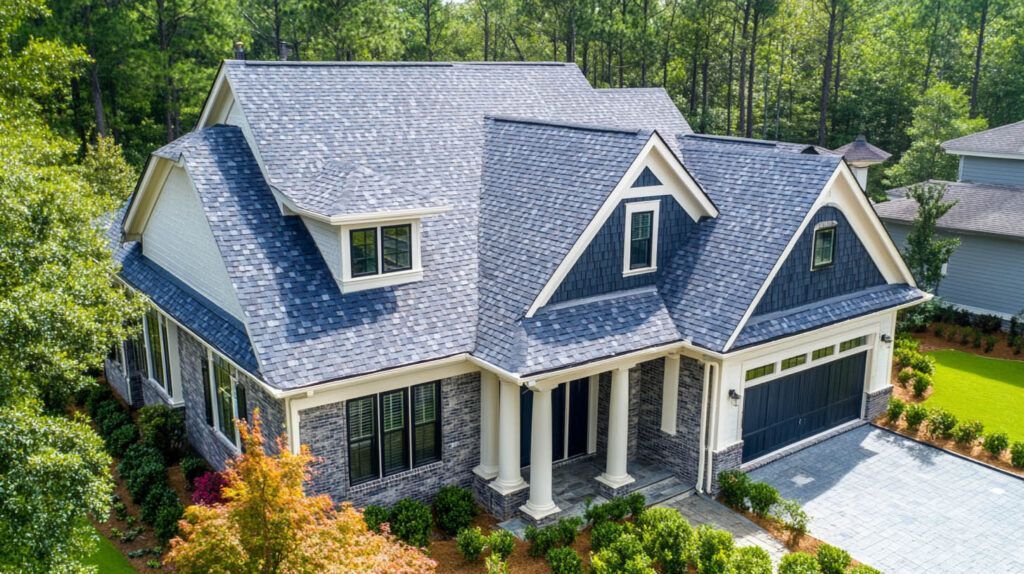
Importance of Proper Flashing
Proper flashing is crucial for a strong roofing system, acting as a barrier to prevent water intrusion. It’s installed in vulnerable areas such as around chimneys, skylights, and roof joints—common leak points that require additional protection. Flashing directs water away from these spots, reducing the risk of leaks and mold growth while protecting the building from damage. When correctly installed, metal flashing enhances the roof’s appearance and adds an extra layer of protection against weather and wear.
Techniques for Ensuring Effective Insulation
Proper insulation is crucial for energy efficiency and comfort in a home. It minimizes heat loss in winter and heat gain in summer, reducing reliance on heating and cooling systems. Effective insulation strategies include fiberglass batts or spray foam in attics, ensuring coverage in hard-to-reach areas.
Ventilation is also essential to prevent moisture buildup that can cause mold and water damage. Gable vents or ridge vents promote airflow, maintaining a balanced environment under the roof. Regular inspections and maintenance are key to ensuring insulation effectiveness and addressing vulnerable areas promptly to avoid costly repairs.
Why Choose Us
Understanding your roof’s anatomy empowers homeowners to make informed maintenance and repair decisions. At 180 Contractors Roofing & Siding in Waterford, MI, we emphasize the importance of components like rafters, trusses, and roofing materials in identifying vulnerabilities and weather damage. Our BBB A+ accreditation and Guildmaster recognition highlight our dedication to customer satisfaction. Being listed among the INC 5000 and achieving Google Guaranteed status further showcase our reliability. Partnering with trusted brands ensures regular maintenance extends your roof’s lifespan and prevents costly replacements. We invest in high-quality materials and proper installation to protect against water intrusion, mold growth, structural damage, and maintain aesthetic appeal.
Read our blog: Cool Roofs vs. Traditional Roofs: Pros and Cons
Frequently Asked Questions
What is the best roofing material for a Michigan climate?
When choosing roofing materials for Michigan’s climate, consider options like asphalt shingles, which offer durability and weather resistance. Metal roofing is also suitable due to its longevity and ability to withstand harsh winters while shedding snow effectively.
How often should I inspect my roof?
Regular roof inspections are crucial for maintaining your roof’s integrity. It’s recommended to inspect your roof at least twice a year, ideally in spring and fall, and after severe weather events. This proactive approach helps identify issues early, preventing costly roof replacement repairs down the line.
GET A FREE QUOTE
We will get back to you as soon as possible.
Please try again later.
Recent Posts