Cost Breakdown: Fixing a Single Piece of Siding
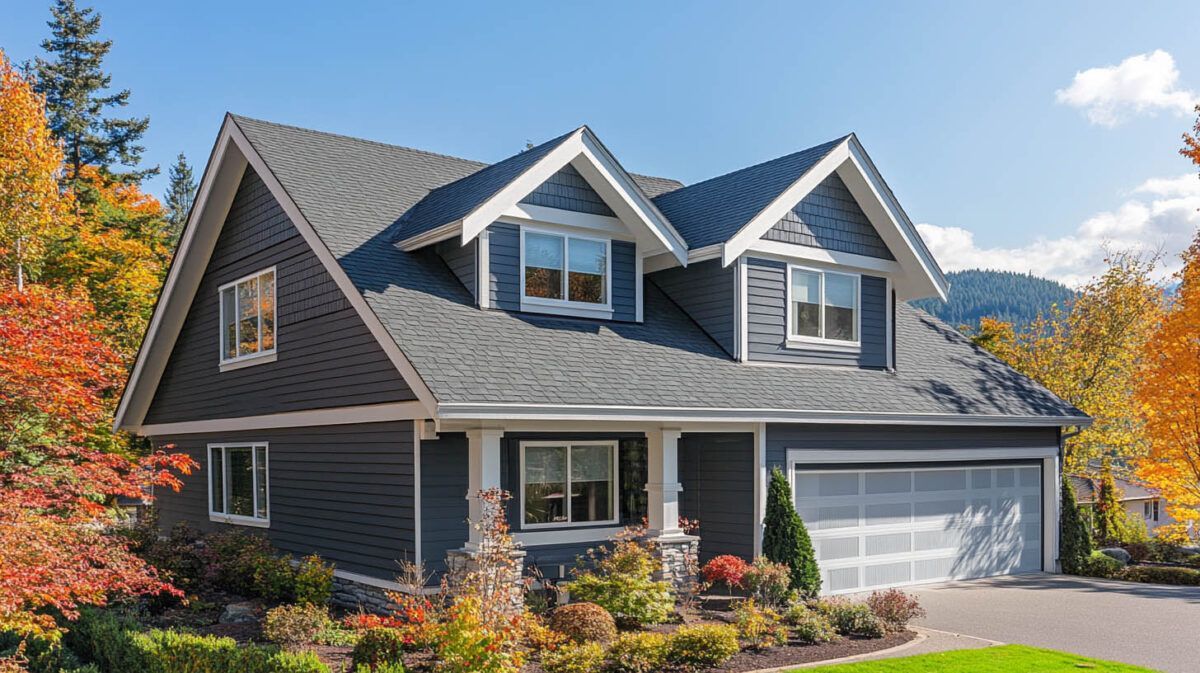
Siding is an important part of your home’s energy efficiency, but it’s often ignored. The right siding can lower your energy bills and improve your comfort at home, keeping your home cool in warmer weather. There are many options out there. To make a good choice, you need to understand how siding affects energy efficiency. You should also think about what factors matter when picking the best siding for your home. If you’re looking for professional help with siding installation or repair, consider reaching out to 180 Contractors Roofing & Siding in Waterford, MI. Our expertise and quality work can ensure that your home is energy efficient and visually appealing. Learn more about our services at 180 Contractors Roofing & Siding.
The Role of Siding in Home Efficiency
Think of your home’s siding as a guard against bad weather. It helps protect your house from rain, wind, and snow. This strong shield keeps moisture and cold air out, helping your home stay comfortable and save energy.
Siding also helps with insulation. A well-insulated home stays warm in winter and cool in summer. Good siding cuts down on heat transfer. This means your HVAC system does not have to work as hard. As a result, you can enjoy lower energy bills and help the planet with a smaller carbon footprint.
How Siding Contributes to Thermal Insulation
Siding plays a crucial role in enhancing thermal insulation within homes. By creating a tight seal around the exterior, siding helps to minimize heat transfer, thus reducing energy consumption for heating and cooling. The choice of material directly impacts the home’s energy efficiency, with options like fiber cement and traditional vinyl siding offering excellent insulation properties. Proper installation is key to ensuring a comfortable indoor environment by preventing air leaks and maintaining consistent temperatures. Additionally, color can also influence the home’s heat absorption and cooling costs, making it essential to select the right siding to optimize energy savings and create a more energy-efficient household.
Siding as a Protective Barrier Against Weather Elements
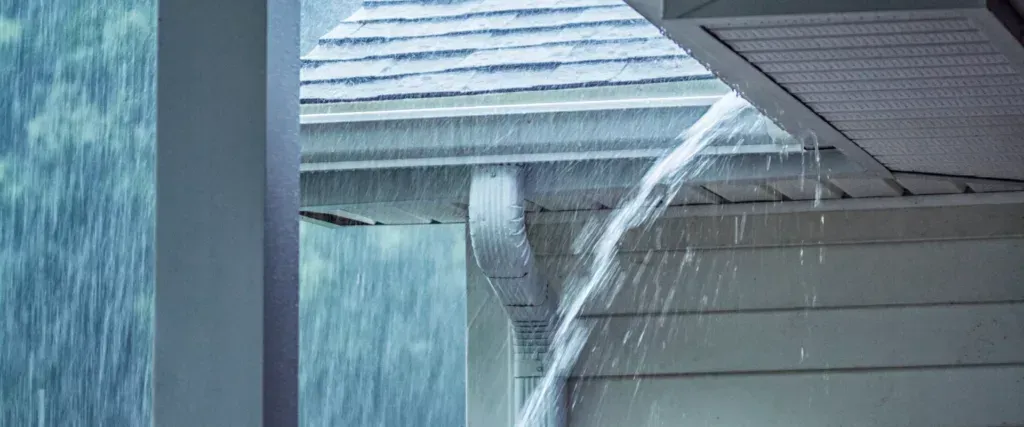
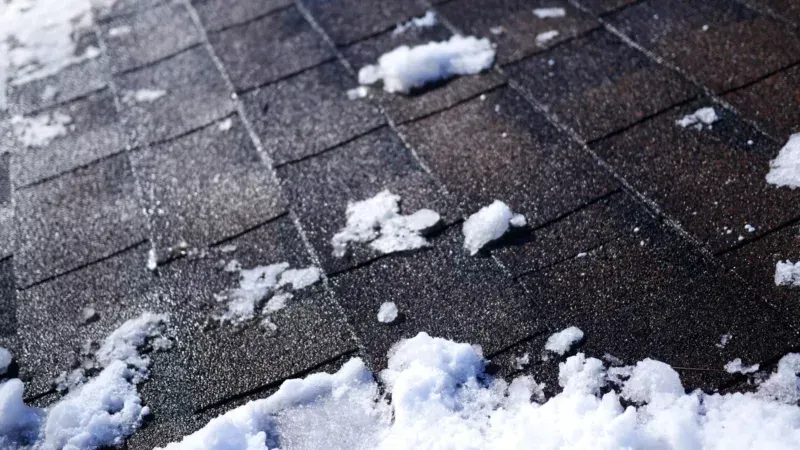
Siding acts as a shield, safeguarding your home from harsh weather conditions. It offers a protective barrier against rain, snow, wind, and UV rays, extending the longevity of your house. By preventing moisture penetration, siding helps maintain the structural integrity of your home. It serves as a crucial aspect in shielding your home from the damaging effects of temperature fluctuations and extreme weather, thereby minimizing its environmental impact. The right material can significantly reduce maintenance requirements and protect your home’s exterior from environmental elements, ensuring a sustainable choice for your property.
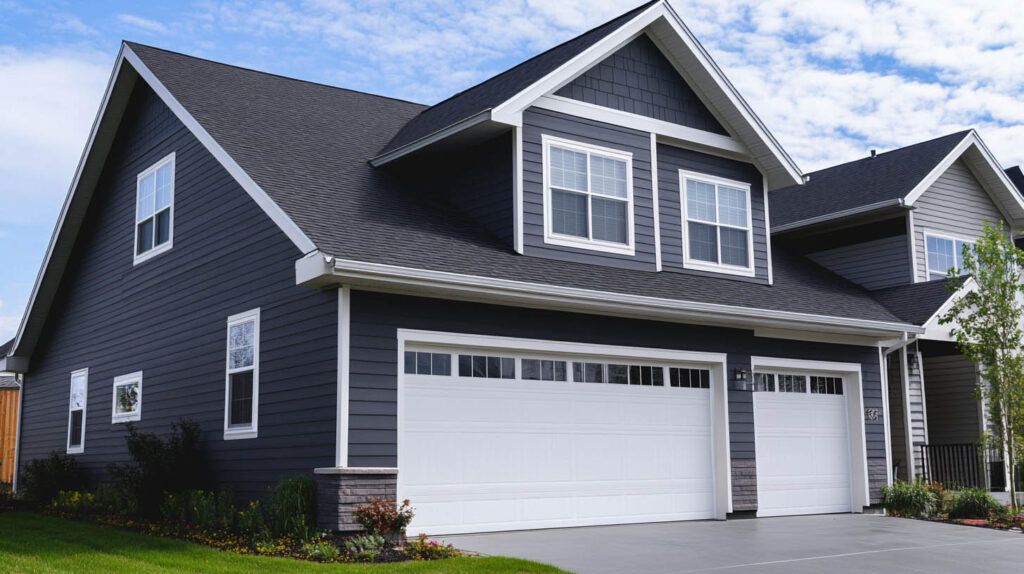
Comparing Energy Efficiency: Sided vs. Non-Sided Homes
When considering energy efficiency, the presence or absence of siding plays a crucial role. Sided homes offer superior insulation properties, creating a more comfortable indoor environment and reducing the need for excessive heating or cooling systems. In contrast, non-sided homes are more susceptible to heat transfer and temperature fluctuations, leading to higher energy consumption and utility bills. The right choice can significantly impact the efficiency of your home, especially in extreme temperatures or harsh weather conditions.
Benefits of Having Siding in Cold Climates
In cold climates, having siding on your home offers numerous benefits. Siding provides excellent insulation properties, helping to maintain a more comfortable indoor environment by regulating temperature fluctuations. It acts as a protective barrier against harsh local climate conditions, reducing heat loss and preventing cold air from infiltrating your home. This results in lower energy bills and decreased energy consumption, enhancing the overall efficiency of your home.
Energy Bills and Comfort
In homes without siding, energy bills tend to be higher due to increased heat loss and air leaks. Without the protective barrier that provides, the HVAC system has to work harder to maintain a comfortable indoor environment, leading to elevated cooling and heating costs. Moreover, the absence of siding exposes the home directly to harsh weather conditions, resulting in greater temperature fluctuations inside. This compromised insulation can make it challenging to regulate the home’s temperature efficiently, affecting both energy consumption and overall comfort levels.
Top Materials and Their Efficiency Ratings
When choosing a type of siding, it’s very important to look at how energy efficient they are. Not all siding materials are the same. Knowing how well they insulate can help you make a good choice that fits your energy-saving goals. Additionally, our partnership with brands like James Hardie, Alside, and Everlast allows us to offer high-quality siding options that not only enhance your home’s efficiency but also provide durability and style.
Durability Meets Efficiency
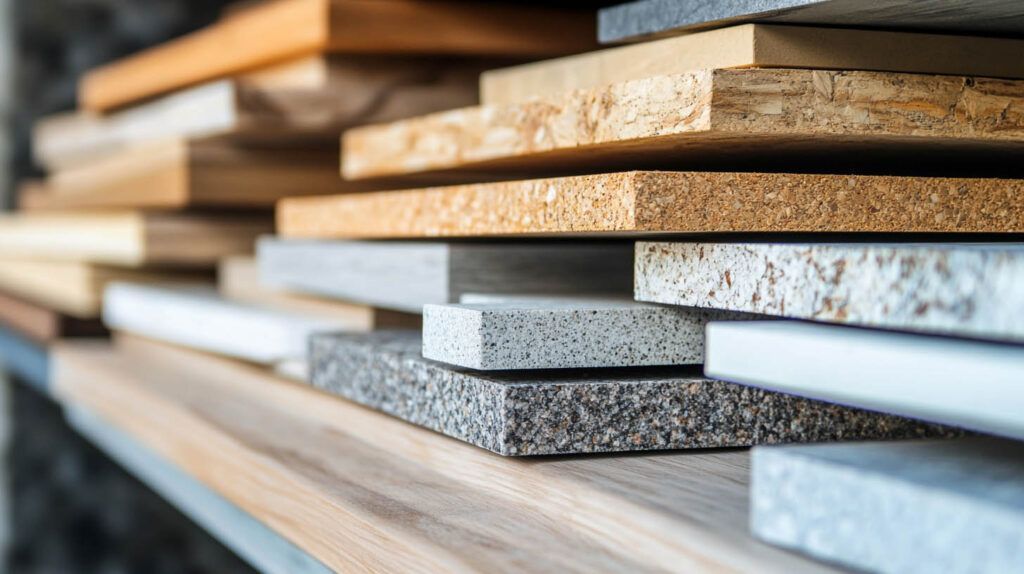
James Hardie fiber cement siding is getting more popular these days, and it’s easy to see why. This siding is known for being very strong and efficient in saving energy. Many homeowners choose it because it lasts long and helps save money.
Fiber cement siding is made from a mix of cement, sand, and cellulose fibers. This combination creates a strong material that can handle bad weather, resist rot and insects, and is better against fire than regular vinyl siding.
Affordable and Energy Efficient
Alside Vinyl Siding is a popular siding type and top choice for homeowners seeking affordability and energy efficiency. This option offers excellent insulation properties, contributing to a more comfortable indoor environment while reducing energy costs. Its low maintenance, ease of maintenance, and durability make it a sustainable choice for long-term efficiency. Alside Vinyl Siding comes in a range of colors, adding to your home’s curb appeal while providing a tight seal against air leaks.
Installation Matters: Ensuring Maximum Efficiency
Choosing the right material is very important. However, its energy efficiency can suffer if it is not installed properly. Even the best siding will not work well if there are gaps, cracks, or air leaks.
It is key to have professional installation to get the most energy savings. Experienced installers know how to use proper insulation techniques. This helps create a tight seal that stops air leakage and improves your siding’s energy performance. Getting professional installation means the job is done well. It also helps ensure your investment stays energy efficient for a long time.
Importance of Professional Installation for Energy Savings
Professional installation plays a vital role in maximizing energy savings for your home. A correctly installed siding ensures a tight seal, minimizing air leaks and heat transfer. This tight seal enhances the efficiency of your home by keeping it cooler in the summer and warmer in the winter, reducing the workload on your HVAC system. Proper installation also helps in preventing any moisture intrusion, which can lead to damage and decreased energy efficiency over time.
Maintenance Tips to Retain Your Siding’s Efficiency
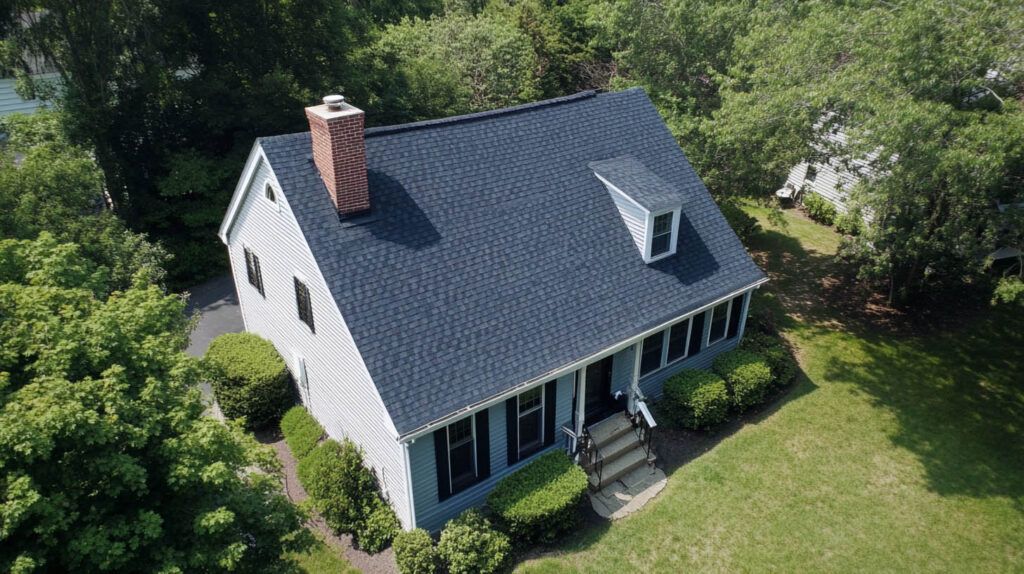
Regularly inspect your siding for damage or signs of wear, such as cracks or peeling paint, to address issues promptly. Clean your siding at least once a year using a garden hose or a soft brush to remove dirt and prevent mildew growth. Avoid using high-pressure washers as they can damage the material. Consider repainting or resealing your siding as needed to maintain its protective qualities, as opposed to regular painting. Trim any plants or bushes near the siding to prevent moisture buildup and potential damage.
Connect With Us
Our award-winning company, recognized for our BBB A+ accreditation, Guildmaster status from Guildquality, INC 5000 ranking, Google Guaranteed status, and inclusion in Qualified Remodeler’s top 100 satisfaction list, emphasizes the importance of making an informed decision on your home’s siding for energy efficiency and comfort. The right siding, whether it be fiber cement or vinyl, plays a crucial role in maintaining a comfortable indoor environment and reducing energy bills.
Frequently Asked Questions
Does new siding improve energy efficiency?
Yes, new siding, especially energy-efficient choices with the right siding color, can greatly boost your home’s energy efficiency. It lowers heat loss in winter. It also keeps your home cooler in summer. This leads to lower energy costs.
Can you live in a house without siding?
Living in a house without siding is possible, but not a good idea. Siding helps protect the house from harsh weather conditions. It also helps with energy consumption, making it important for your home.
Learn more about
how winter weather affects your siding.
GET A FREE QUOTE
We will get back to you as soon as possible.
Please try again later.
Recent Posts