Cost Factors of James Hardie Siding Installation
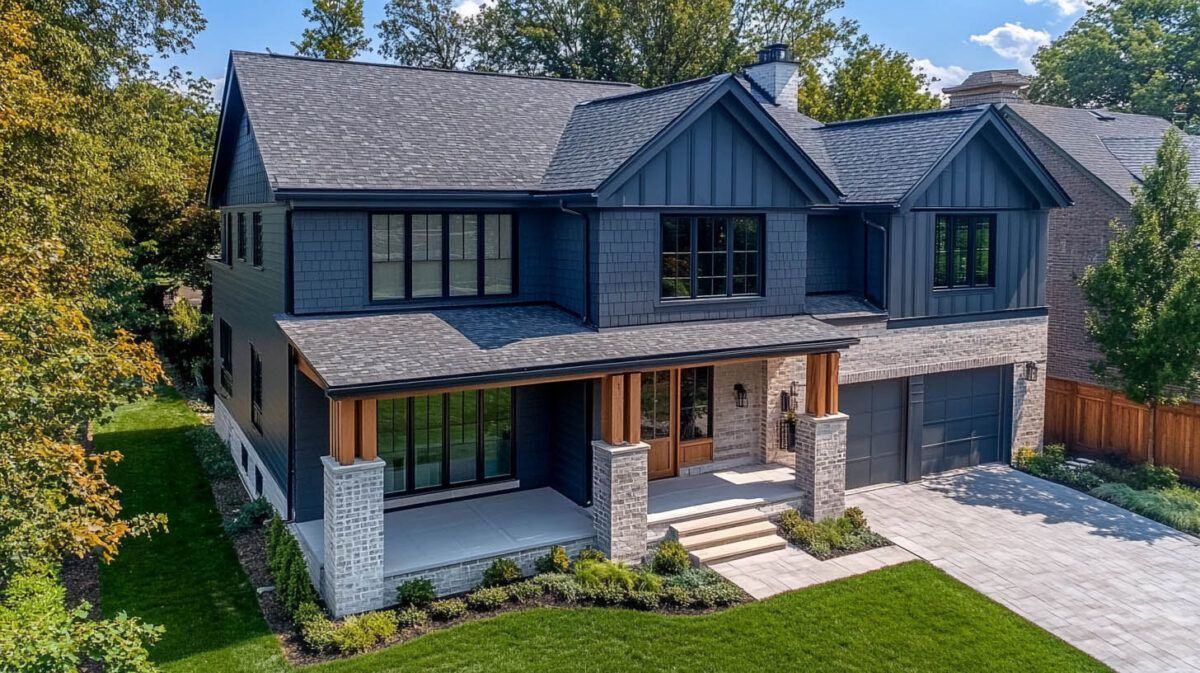
Investing in James Hardie siding enhances both the durability and aesthetic appeal of a home. Understanding the cost components involved in installation helps homeowners plan their budget effectively. The overall price depends on material selection, labor, home size, preparation work, and customization options.
Material Costs and Siding Options
James Hardie siding is made from fiber cement, a composite material known for its resistance to fire, moisture, and pests. The type of James Hardie siding selected influences the cost significantly:
HardiePlank® Lap Siding
The most popular option, offering a wood-like appearance with horizontal boards. It balances affordability and durability, making it a common choice for homeowners.
HardieShingle® Siding
Mimics cedar shingles and provides a rustic or coastal aesthetic. This option is often used for Cape Cod or cottage-style homes but comes at a slightly higher price due to its intricate design.
HardiePanel® Vertical Siding
Provides a modern, contemporary look with clean vertical lines. It works well for both residential and commercial buildings, offering a sleek and minimalistic appearance.
Artisan® Collection
A premium option featuring thicker boards for deep shadow lines and a high-end finish. Due to its added durability and design elements, it carries the highest cost among James Hardie siding products.
The ColorPlus® Technology pre-finished siding costs more upfront than primed boards, but it eliminates the need for painting, reducing long-term maintenance expenses.
Home Size and Square Footage
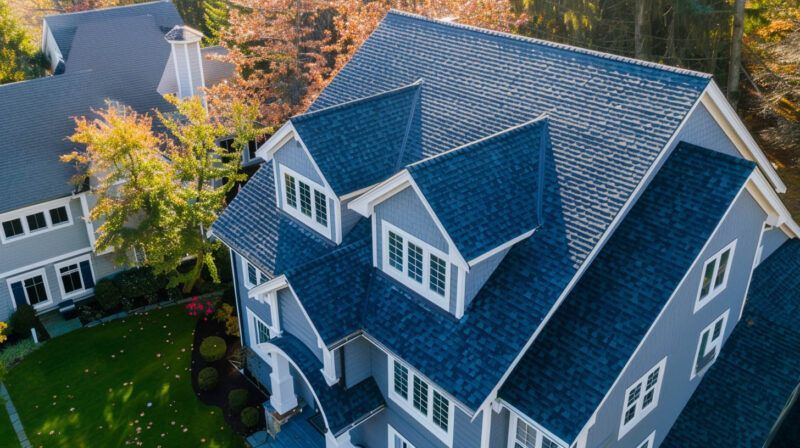
The cost of James Hardie siding is typically calculated per square foot. Larger homes require more materials and labor, increasing overall expenses. Additional architectural features such as dormers, gables, and multi-story structures add complexity, which may raise the installation price.
Professionals use digital measurement tools to determine the exact square footage, ensuring accurate cost estimation and minimizing material waste.
Labor and Installation Costs
Skilled Labor Requirements
James Hardie siding installation requires experienced professionals due to its specific cutting and fastening techniques. Unlike vinyl siding, fiber cement boards are heavier and need specialized tools for proper handling and placement.
Regional Labor Costs
Labor rates vary by location, with urban areas often having higher costs due to increased demand and higher living expenses. Hiring James Hardie Preferred Contractors ensures compliance with manufacturer guidelines, preserving warranty coverage.
Installation Complexity
Homes with intricate designs, multiple corners, or difficult-to-reach areas increase labor costs. A straightforward installation on a simple rectangular home costs less than one involving custom architectural features.
Old Siding Removal and Surface Preparation
Before installing new siding, the existing exterior must be assessed. Old siding removal, wall repairs, and preparation work impact total costs:
Removal and Disposal Fees
Tearing off old siding incurs additional labor and disposal fees. Vinyl and aluminum siding removal is typically less expensive than stucco or wood, which require more effort and time.
Underlying Structural Repairs
Hidden damage such as rotted wood, mold, or water infiltration may be discovered after the old siding is removed. Addressing these issues is necessary to prevent further structural deterioration, though it adds to the overall expense.
Weather Barriers and Insulation
Installing a moisture barrier or adding insulation boards beneath the new siding enhances energy efficiency and protects against water damage. While these upgrades increase initial costs, they improve home performance and reduce utility bills over time.
Customization and Design Choices
Color and Finish Selection
Standard factory colors are more cost-effective, while custom colors or finishes increase pricing. The ColorPlus® Technology finish, which resists UV fading and chipping, costs more upfront but eliminates the need for repainting.
Trim and Accent Features
Matching trim, soffits, and fascia complete the home’s exterior and improve aesthetics. Homeowners opting for decorative elements such as crown moldings or custom corner posts should anticipate higher costs due to increased material and labor requirements.
Architectural Complexity
Homes with multiple levels, bay windows, or non-traditional layouts require extra labor and precise cutting, increasing installation difficulty and cost.
Warranty and Long-Term Value
Manufacturer’s Warranty
James Hardie siding includes an industry-leading 30-year limited transferable warranty. Proper installation is essential to maintain coverage, making it critical to hire trained professionals.
Contractor’s Workmanship Warranty
Reputable contractors provide workmanship warranties covering installation quality. This additional coverage may slightly increase costs but ensures peace of mind against defects due to improper installation.
Inspection and Quality Assurance
Periodic inspections during installation help maintain quality standards and adherence to James Hardie’s best practices, reducing the risk of future issues.
Environmental and Climate Considerations
Regional Climate Impact
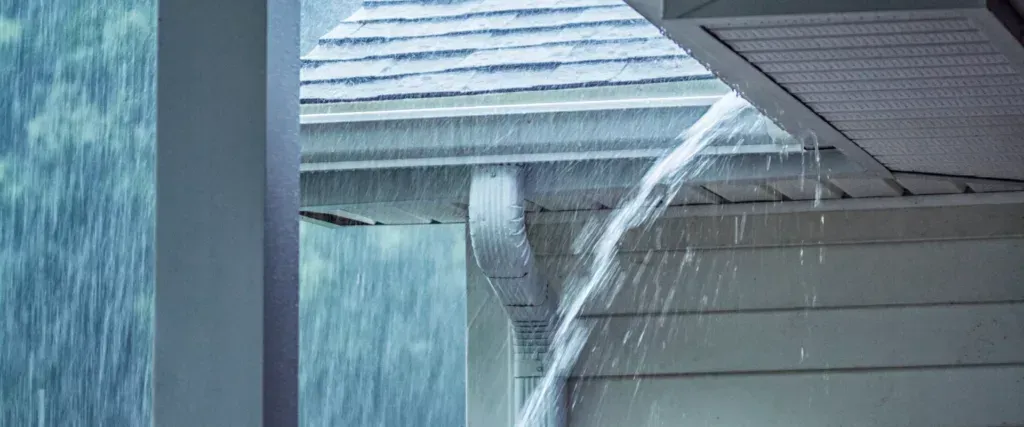
Homes in areas with extreme weather conditions may require extra precautions, such as reinforced siding installation or additional insulation layers. Coastal regions, for example, demand siding that withstands high humidity and salt exposure.
Local Building Codes
Certain locations enforce specific siding regulations based on fire resistance, wind load ratings, and energy efficiency. Adhering to these requirements may result in additional costs.
Sustainability and Energy Efficiency
James Hardie siding is made from sustainable, non-toxic materials and contributes to energy efficiency when paired with proper insulation. While eco-friendly options may have a higher initial price, they provide long-term savings on energy bills.
Return on Investment and Cost Benefits
Low Maintenance Costs
Unlike wood siding, which requires frequent painting and sealing, James Hardie siding resists pests, moisture, and UV damage, reducing long-term upkeep expenses.
Energy Savings
Fiber cement siding enhances insulation properties when paired with energy-efficient materials, helping homeowners save on heating and cooling costs.
Increased Home Value
James Hardie siding enhances curb appeal and resale value, making it a sought-after feature among potential buyers. Its durability and aesthetic appeal contribute to a high return on investment (ROI), averaging 70-80% upon resale.
Conclusion
James Hardie siding installation costs depend on material selection, home size, labor rates, customization, and necessary preparation work. While the initial investment may be higher than other siding materials, the long-term benefits—including durability, low maintenance, and increased home value—make it a cost-effective and worthwhile choice.
For professional installation services, 180 Contractors Roofing & Siding, located in Troy, MI, offers expert craftsmanship backed by industry certifications and warranties.
Frequently Asked Questions (FAQs)
1. How much does James Hardie siding cost per square foot?
The cost of James Hardie siding typically ranges from $8 to $15 per square foot, including materials and labor. Exact pricing depends on the siding type, customization, and regional labor costs.
2. Is James Hardie siding more expensive than vinyl siding?
Yes, James Hardie siding costs more upfront than vinyl siding. However, it provides superior durability, weather resistance, and long-term savings on maintenance and replacement.
3. Does James Hardie siding need painting?
If using ColorPlus® Technology, the siding comes pre-finished and does not require painting for many years. Primed options are available for those who prefer custom paint colors.
4. Can James Hardie siding be installed in cold weather?
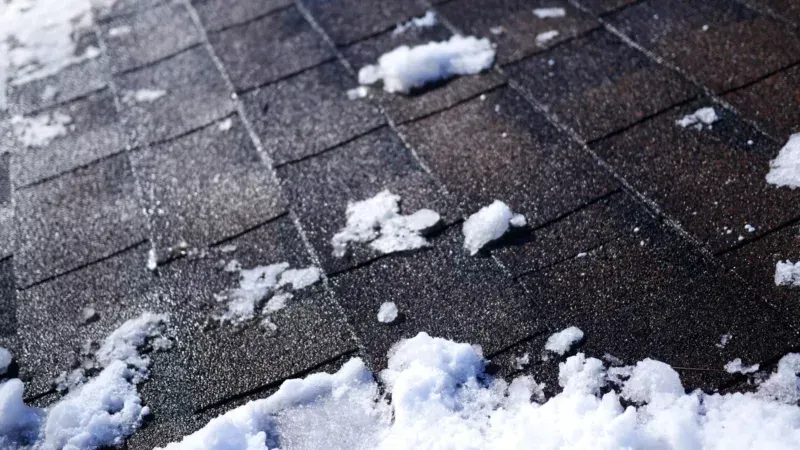
Yes, but cold temperatures require specialized installation techniques to prevent material cracking. Hiring experienced professionals ensures proper handling in extreme conditions.
5. How long does James Hardie siding last?
With proper installation and maintenance, James Hardie siding lasts 30 to 50 years, making it one of the most durable siding options available.
Read also our blog:
Weather-Resistant Benefits of James Hardie Siding
GET A FREE QUOTE
We will get back to you as soon as possible.
Please try again later.
Recent Posts