The Cost of Siding Installation For Your Michigan Home

180 Contractors • June 17, 2023

Siding Cost Factors For Your Michigan Home

Installing new siding is a great way to improve the look of your home and give it a more pleasant appeal. If you’re considering new siding for your home in Michigan, one of your top concerns is likely the cost of siding installation. There are several factors that determine the cost of a full siding installation project, and we are here to break them down for you.


Your Michigan Home’s Shape

The shape of the home you’re installing siding on is going to affect the price of siding installation as well. If there are a lot of bends and decorative features in the design of your home’s exterior, there will be more cuts and other forms of customization that will occur during installation. These extra steps add time and money to the process, so be sure to consider this as well.


The Size of Your Home

The size of your home is going to be one of the biggest factors in determining the cost of siding installation. Siding is dealt with in terms of squares, where one square of siding is equal to about 100 square feet. In most cases, siding costs about $600 per square. If you have a smaller space of around 400 square feet, it’ll cost about $2,400. The average home in Michigan will need approximately 15 squares, costing the homeowner around $9,000.

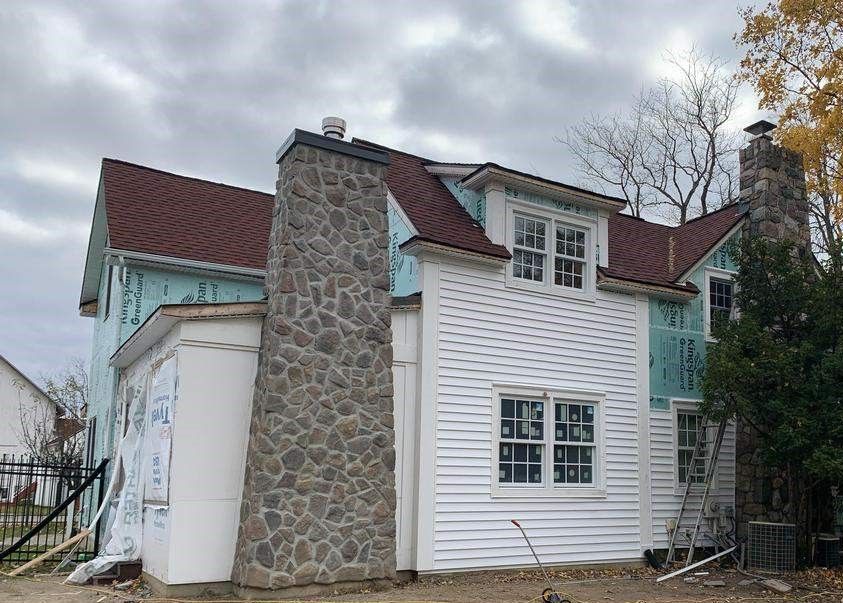
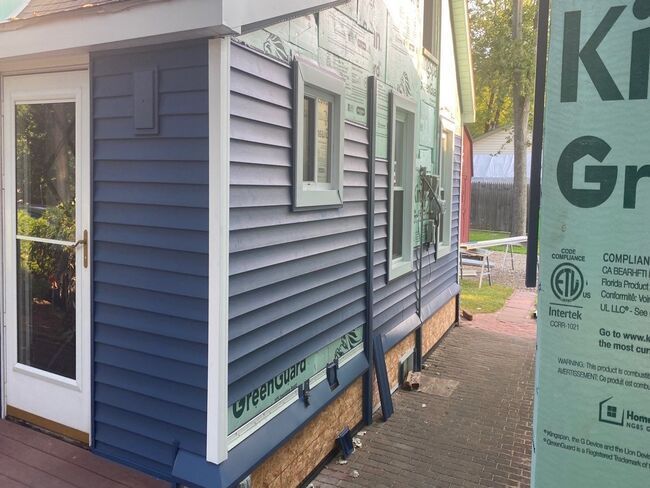
Vinyl siding replacement project in Whitmore, Michigan

The Type of Siding Matters Most

Just like most things in life, you have options when you decide to install siding. Depending on the material you choose, your overall cost may be above or below the average in Michigan. At 180 Contractors, we recommend vinyl siding as a durable, low maintenance, and cost-effective option. With vinyl siding, we are able to create a custom style to give your home the look you desire. Vinyl siding will also save you money in the long run, as it requires minimal maintenance and is engineered to withstand all of Mother Nature’s unexpected events. The varied vinyl siding costs are broken down below.


Vinyl Shake Siding:

Emulating the charm of wood or cedar shakes, vinyl shake siding offers rows and hand-split styles. Cedar rows consist of embossed wood grain shingles, measuring 5 or 7 inches wide and stacked two or three high. Hand-split shakes are irregularly shaped shingles, providing a rustic aesthetic. Prices for both styles range from $3 to $10 per square foot, depending on the grade, with potential additional labor costs due to their unique installation requirements.


Traditional Lap Siding:

If you prefer a classic and straightforward look, traditional lap siding is a horizontal option with a woodlike texture. It offers affordability, averaging around $4 per square foot.


Clapboard:

Clapboard siding replicates basic plank siding but with wider bottom planks, tapering towards the top in a wedge shape. This design enhances depth and shadow, lending a richer appearance to your home. Clapboard vinyl siding comes in various colors and embossing patterns, priced between $2 and $6 per square foot, depending on grade and insulation.


Insulated Vinyl Siding:

Insulated vinyl siding provides a solid structure by integrating insulation directly into the vinyl. This feature simplifies installation and adds weight to the siding. Most styles can be obtained with attached insulation, with prices ranging from $4 to $12 per square foot based on the chosen style.


Vertical Vinyl Siding:

Vertical vinyl siding, running from top to bottom, can be used to accentuate architectural features or create a specific period-inspired look. On average, vertical vinyl siding costs $5.50 per square foot.


Vinyl Log Siding:

Vinyl log siding offers the rustic charm of log-built homes without the cost and upkeep. With 12-inch rounded, wood-grain-textured panels running lengthwise, this hollow-style vinyl siding mimics the appearance of logs. It can be installed on any home, adding a touch of rustic appeal at a cost between $3 and $5 per square foot.


Dutch Lap Siding:

Dutch lap siding is a horizontally installed style popular for its overlapping planks, adding visual interest to a simple design. It is available in hollow or insulated options, with an average price range of $3 to $9 per square foot.


Brick-like Vinyl Siding:

With a resemblance to brick, brick-look vinyl siding serves as an accent alongside horizontal styles, offering a cost between $5 and $10 per square foot.


Stone-like Vinyl Siding:

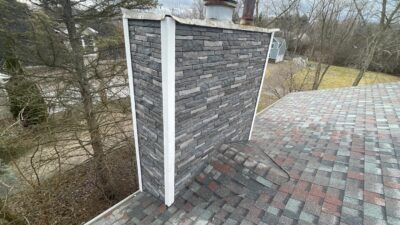
Stone-look vinyl siding, often used as an accent material, presents a more natural appearance with variations in color and texture. The price range for stone-look siding falls between $5 and $10 per square foot.

Board-and-Batten Vinyl Siding:

Originating from early American exterior siding, board-and-batten siding is made from vertically attached wood panels with thin strips called battens covering the gaps. Vinyl board-and-batten siding eliminates the risk of battens detaching and ensures a leak-free exterior. The average cost for this style ranges from $4 to $9 per square foot.


Beaded Vinyl Siding:

Featuring horizontal boards with a decorative lip for added depth, beaded vinyl siding offers a slightly more ornamental choice. Typically priced between $3 and $7 per square foot.


Smooth Vinyl Siding:

Smooth vinyl siding, lacking the woodlike texture of other horizontal planks, provides a modern, dirt-resistant look. Expect to pay around $4 per square foot for this option.


Scalloped Vinyl Siding:

Scalloped vinyl siding offers an accent style that can be paired with horizontal siding, giving your home a decorative or historic feel. Prices typically range from $4 to $9 per square foot.


Fiber Cement Cost


Advantages of Vinyl Siding

Traditional materials like wood, brick, and stucco have long been used for home protection, but newer options such as fiber cement, aluminum, composite, and vinyl have gained popularity. Each material has its own style, maintenance requirements, and cost considerations. Among these choices, vinyl siding often emerges as the preferred option.


Long-lasting

Vinyl siding is resistant to insects, hail damage, and fading from sunlight. Its color is integrated into the material, preventing scratches and scuffs. With proper climate conditions, quality installation, and maintenance, vinyl siding can endure for decades. Unlike other siding types, it doesn’t deteriorate with age, ensuring a lasting investment.


Versatility

Vinyl siding offers a wide range of trim and accessory options, which were traditionally made from wood. This eliminates concerns about painting, swelling, cracking, warping, or insect-related issues associated with wood. Additionally, new vinyl products replicate the appearance of various wood, brick, and stone styles, allowing homeowners to mix and match materials without the usual maintenance challenges.


Easy Installation

Vinyl siding is lightweight and comes in sections that can be easily nailed into place, making installation a hassle-free process. Compared to wood or brick siding, vinyl is more cost-effective when it comes to professional installation.


Low Maintenance

Unlike other exterior cladding materials, vinyl siding doesn’t require painting or caulking. It can be easily cleaned with mild soap and water using a garden hose. In rare cases of impact or severe weather, vinyl siding may need to be reset. In contrast, wood and brick siding can suffer from extensive insect and weather damage, leading to expensive repair and restoration costs. With vinyl siding, there’s no need for regular scraping, painting, repainting, recoating, or insect treatments.


Energy Efficiency

Vinyl siding creates an airtight seal, preventing heat and cool air from escaping the home. Insulated vinyl siding offers even greater energy efficiency compared to hollow siding. This helps homeowners save on energy bills and is environmentally friendly.


Color Retention

Vinyl siding retains its color as the pigment is embedded into the material during production. Homeowners don’t need to touch up paint or perform maintenance to keep the color intact. However, if desired, vinyl siding can be painted if the homeowner wishes to change the color, even before the siding starts to wear out or if they purchase a home with siding they dislike.


How to save money and worry less on vinyl siding cost and installation

  • For homeowners who are crunching the numbers on a vinyl siding cost calculator, it’s no surprise that expenses can quickly pile up. However, there are clever ways to save money without compromising on quality.
  • Consider a lower-grade material. Instead of splurging on premium or thicker options, explore standard or economy grade alternatives.
  • Explore diverse texturing choices. Manufacturers offer a plethora of options with varying price tags. Opting for flat or lightly textured siding tends to be more budget-friendly compared to deeply textured alternatives.
  • Tap into potential tax breaks. If you opt for insulated siding or rigid board insulation, consult local and state agencies to discover any tax incentives related to improved energy efficiency.
  • D.I.Y. old siding removal. By taking on the task of removing the old siding yourself, you can save a few bucks on labor costs. However, make sure you’re comfortable with the process and research thoroughly before diving in.
  • Get multiple quotes. Obtain estimates from several contractors to compare prices and find the most competitive offer available in your area.
  • Shop around for different siding brands. Some contractors exclusively work with specific companies, but you might find a better deal by exploring alternative manufacturers.
  • Time it right. Schedule the siding job during the off-season to potentially secure lower costs. Off-season pricing varies by region, so plan accordingly when the crew is in less demand.


Let’s Discuss Your Siding Today

When you want to dramatically improve the look of your home, new siding is a great way to do so. Contact 180 Contractors today to discuss siding options for your Michigan home.

GET A FREE QUOTE

Share this article

Recent Posts

By 180 Contractors July 25, 2026
Roof Ventilation 101 Roof ventilation includes ensuring that proper flow of air takes place in your roof. This is achieved mostly with the help of roof vents or attic vents. Roof ventilation is as important as kitchen ventilation or bathroom ventilation. When a problem arises in any of these vents, a host of issues come about and cause unnecessary trouble. Similarly, if your house lacks proper roof ventilation, then it is only a matter of time before you start to face some grave consequences. If you’re new to this whole topic of roof venting, then don’t worry. In this blog we’re going to discuss in depth about the importance of roof ventilation, conditions that clearly depict that your roof has an inadequate roof ventilation system and all the types of roof vents that are available for you to choose from. Importance of Roof Ventilation: Roof Ventilation In Summers- Warm air rises up and causes the roof deck of your house to heat up. If your roof lacks proper ventilation, then this built-up air will warm the ceilings of your house too, in turn increasing the temperature of the rooms of your house. If there is heat exposure from the interiors of your roof, for a prolonged time then the roofing shingles will age faster than they are supposed to and this will considerably decrease the lifespan of your roof. If your roof gets heated up then the trapped air inside your attic will transfer the heat to the interior rooms of your house and will force you to use air conditioning systems resulting in high utility costs. Roof Ventilation In Winters- Warm air that is trapped in the attic condenses on colder surfaces resulting in the formation of little water droplets that make your attic dampen and moist. The interior of your roof can get severely affected owing to the excess moisture content in your attic. This will lead to the formation of mold and mildew as these fungi thrive in cold and damp areas that do not receive enough sunlight. Warm air in the attic will cause snow on the rooftop to melt at different time spans leading to uneven roof surface temperatures. Snow collected at the top of the roof will melt faster than the snow load at the edges of the roof and this will form highly problematic ice dams. How to Understand that your Roof Ventilation isn’t Functioning Well? Formation of Frost on Wooden Beams Frost is an important sign that depicts poor roof ventilation system. If you notice frost appearing in the underside of your roof shingles and in your attic then it is due to the moisture stuck in your attic that is unable to filter out because of poor ventilation. Damp Insulation If you find that your house is warmer in summers and colder in winters then it is probably due to your ill-functioning insulation. To do its work properly, your insulation needs to stay fluffy and damp-free. Accumulation of moisture in the attic due to inadequate attic ventilation is the main cause behind roof insulation not working as it should. Ice-dams on the Roof If there is formation of icicles on the edge of your roof during winters, then it is an alarming reminder that your roof ventilation is done in a poor way. Because of improper attic ventilation, the surface of your roof gets heated up at dissimilar intensities. The areas of your roof that are directly in contact with the warm air rising from the inside, will grow warmer and cause the snow to melt faster. Whereas the snow at the edge will take a prolonged time to melt. This will give rise to ice dams on your roof. Molten ice will get clogged and infiltrate your roof shingles causing them to rot and swell up. Types of Roof Vents Available: Box Vent- These vents resemble a box and are installed at the top of the roof to ensure that the hot air rising from within gets vented out through these. A single box vent does not take up much space and is comparatively smaller in size; depending on the surface area of your roof, you might need to install more than one box vents to ensure proper roof ventilation. View all types of roof vents available here. Ridge Vent- These vents have a low profile which makes it almost impossible to spot from afar. These are placed at the top of your roof, preferably along the ridgeline. Since these are placed like a stationary hinge, it lets the warm air vent out of the attic from the minute gap where two slopes of your roof meet. This ridge is big enough for the air to pass out but it prevents rain and critters from getting inside your attic. Soffit Vent- Unlike the ridge vents and box vents, Soffit vents are placed at the bottom of the roof, underneath the eaves. Soffit vents can be installed on their own to ensure attic ventilation but these work better when installed in combination with box vents or ridge vents. Power Vent- These vents as the name suggests, requires electric supply to function properly. These are wired with your home’s electrical system but can run on solar panels too. Since these lead to added energy investments, a homeowner must ensure that these are not running when there isn’t any need for it. A thermometer and a humidistat can help you understand when your power vents need to be switched on. Turbine Vent- If you live in a windy climate, then this roof ventilation system is your best option. With heavy wind, the turbine attached to these vents spin really hard moving warm air out of the attic. A lot of homeowners end up taking their roof ventilation for granted. If left unattended, roof ventilation problems can lead to far bigger problems which can end up damaging your whole roof and forcing you to go for a roof replacement. Avoid such situations and go for any of these roof vents that are mentioned above and you wouldn’t need to worry about your attic ventilation ever again. Contact Michigan’s premier roofing company to consult about roof ventilation options here.
Aerial view of a large blue-gray house with dormer windows and a landscaped yard in autumn
By 180 Contractors May 14, 2026
Your roof works silently year after year, shielding your home from rain, wind, sun, and snow. But like every part of your home, it doesn’t last forever. The key is knowing when repair is no longer enough—and a full roof replacement is the smarter, safer move. For homeowners in Bloomfield Hills, MI, where intense season
Rainwater pouring from a house roof and gutter during a storm
By 180 Contractors April 13, 2026
Michigan weather can be tough on homes, especially when it comes to your roof. From heavy snow in the winter to strong thunderstorms in the summer, each season brings conditions that can wear down roofing materials over time. Knowing how these storms affect your roof can help you catch problems early and avoid more ser