Debunking Common Myths About Metal Roofing and Hail Resistance
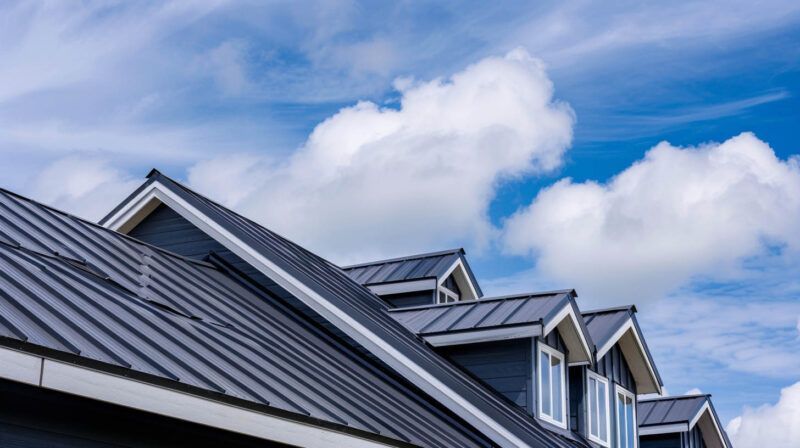
Misunderstandings about metal roofing have deterred many homeowners from its benefits. At 180 Contractors Roofing & Siding in Waterford, MI, we aim to dispel these myths for informed decision-making. Our commitment to quality is reflected in our certifications, including being an Owens Corning Preferred contractor and a CertainTeed Shingle Master. We are proud to hold a BBB A+ accreditation and recognition as a Guildmaster from GuildQuality, along with placement on the INC 5000 list and Google Guaranteed status.
Metal roofing is designed to withstand severe weather, including hailstorms, yet myths about cost, noise, and damage persist. Let’s address these misconceptions with facts to show why metal roofs are a smart choice for protecting your home while enhancing its appearance and energy efficiency.
Understanding Metal Roofing
Metal roofing has evolved significantly over the years. Today, it boasts modern styles and materials suitable for any aesthetic or climate. It’s no longer limited to industrial buildings; residential metal roofing now includes premium features like protective layers and aesthetic versatility.
Modern metal roofing materials include steel, aluminum, and copper—each offering specific benefits, such as corrosion resistance and impact durability. For homeowners seeking longevity and energy efficiency, these advanced options outperform traditional roofing materials, proving to be an investment in long-term performance.
Types of Metal Roofing Used in Michigan Homes
When choosing metal roofing for your Michigan home, consider these top options. Steel roofs offer strength and durability, especially in harsh winters, and with protective coatings, they resist rust for decades.
Metal shingles provide versatility, resembling traditional materials like asphalt or slate while delivering the energy efficiency of metal—perfect for homeowners wanting aesthetic appeal without sacrificing practicality.
Available in various colors and finishes, metal roofing suits a range of architectural styles, from historic to modern. At 180 Contractors, we expertly install these options to keep your home strong and attractive year-round.
Advantages of Metal Roofing Over Traditional Shingles
Metal roofing offers several advantages over traditional asphalt shingles. Modern metal roofs are highly durable and resistant to harsh weather, requiring minimal maintenance and lowering total ownership costs. Rigorous testing confirms their impact resistance against severe weather conditions like hail and high winds, providing homeowners with peace of mind.
Additionally, modern metal roofing materials are energy-efficient, reflecting solar heat to keep indoor temperatures comfortable during summer and reducing energy costs. Their aesthetic versatility allows homeowners to select from various styles that complement any home design while enjoying a long service life.
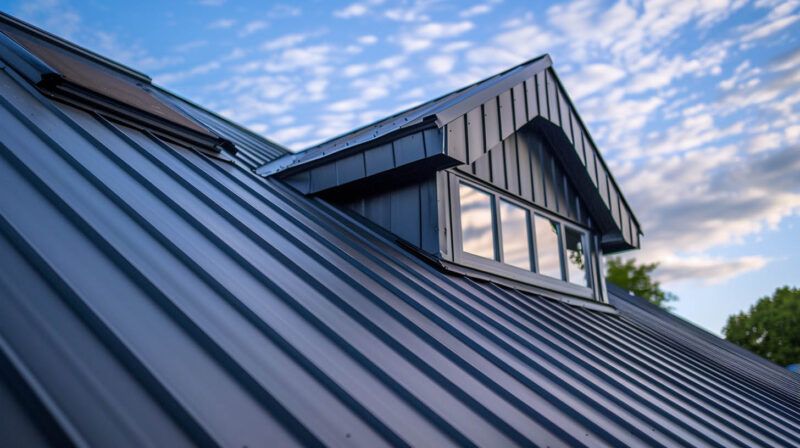
Myth #1: Metal Roofs Are Easily Damaged by Hail
One of the most common misconceptions about metal roofing is that hail can easily damage it. The truth, however, is far from this belief. Modern metal roofs have excellent resistance to hail impact, often surpassing traditional options like asphalt shingles.
These roofs are rigorously tested for impact durability, ensuring their ability to withstand hailstones and other challenges. While dents may occasionally occur, they are purely cosmetic and don’t compromise the roof’s functionality or longevity—a testament to their superior engineering.
How Metal Roofs Withstand Severe Weather
Metal roofing systems thrive in severe weather. With protective layers like galvanization or advanced coatings, they withstand hail, snow, wind, and heavy rain without compromising structural integrity, making them perfect for Michigan homes.
Manufacturing tests simulate harsh conditions to ensure reliability, resulting in impact-resistant panels that meet stringent building codes for hail protection.
Comparing Hail Resistance
Metal roofing systems are more resilient to hail than traditional asphalt shingles, as confirmed by industry tests. They have higher impact resistance, resulting in less damage during severe weather. While asphalt shingles may crack, modern materials like steel feature protective layers that enhance durability.
Additionally, metal roofs improve energy efficiency by reflecting solar energy and reducing heat transfer, leading to lower energy costs. With low maintenance and long-term savings, those roofs are a superior choice for homeowners in harsh weather, challenging the notion that asphalt shingles suffice for hail resistance.
Myth #2: Metal Roofs Are Noisy During Rain or Hail
Another common misconception is that metal roofs create excessive noise during rain or hailstorms. In reality, this issue is eliminated with proper installation techniques.
When paired with solid sheathing and insulation, metal roofs effectively absorb sound, making them as quiet—or quieter—than asphalt shingles. Homeowners often report peaceful indoor experiences even during heavy rain.
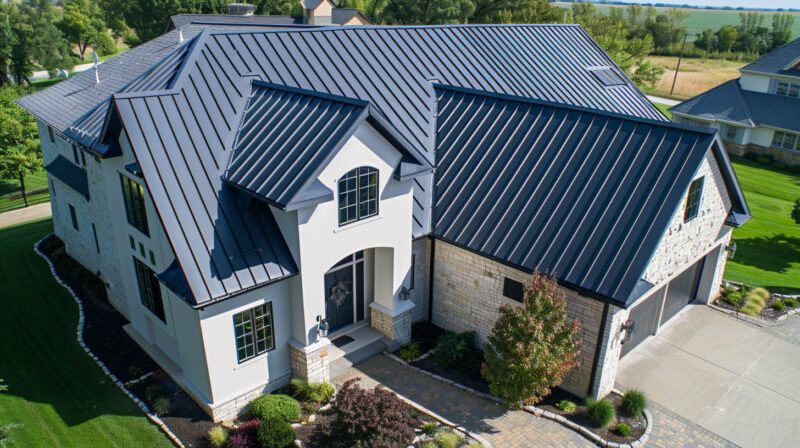
The Role of Underlayment and Insulation
Underlayment and insulation are critical for reducing noise levels in metal roofs. Solid sheathing underneath the roofing material absorbs sound vibrations caused by rain or hail impacts, keeping indoor noise minimal.
Proper insulation not only dampens sound but also prevents heat transfer. This insulation layer helps maintain stable indoor temperatures during Michigan’s hot summers and cold winters. Energy efficiency gains from reduced thermal transfer also lower overall energy costs.
Real-World Homeowner Experiences with Noise
Many Michigan homeowners have embraced modern metal roofs, highlighting their noise control benefits:
- Homeowners enjoy a peaceful atmosphere during rainstorms due to the quietness of those roofs.
- Proper insulation under those roofs helps maintain consistent indoor temperatures.
- Enhanced designs offer reliability and comfort without compromising tranquility.
- Feedback shows that modern metal roofs are nearly as quiet as asphalt ones.
Myth #3: Metal Roofs Are Costlier to Repair After Hail Damage
Some believe metal roofs lead to higher repair costs after hail damage. However, their total cost of ownership paints a different picture. Metal roofing systems are designed to resist significant problems even after severe weather.
While repair needs are rare, they tend to focus on cosmetic issues like minor dents. These repairs are straightforward and often less frequent than those needed for asphalt shingles, making metal roofs a durable and cost-effective long-term investment.
Factors That Influence Metal Roof Repair Costs
Several factors influence the costs of roof repairs. The type of material—such as aluminum or galvanized steel—affects repair expenses due to their unique characteristics. The complexity of the roofing system, including slope and features like skylights or chimneys, also impacts labor and material costs.
Additionally, damage from severe weather, such as hail storms, can necessitate extensive repairs or replacements. Geographical location plays a role too, as it influences the availability of skilled labor and materials. Understanding these variables helps homeowners make informed maintenance and repair decisions.
Comparing Repair Costs: Metal vs. Asphalt Roofing
Repair costs for roofing vary significantly between metal options and traditional asphalt shingles. Durable roofing materials require less frequent repairs, leading to lower long-term expenses. Repair costs for these roofs depend on material availability and labor intensity. In contrast, while asphalt shingles are cheaper to install, they experience more wear and tear, resulting in higher maintenance and repair costs over time.
Contact Us
In conclusion, debunking myths about metal roofing and hail resistance is crucial for homeowners considering this modern option. Metal roofs are resilient against severe weather and offer advantages over traditional shingles. Understanding the role of underlayment and insulation in noise reduction can ease concerns, while knowing that repair costs are often manageable dispels another myth. Investing in a metal roof enhances your home’s durability and value. For personalized advice on how metal roofing can benefit your home, contact us at 180 Contractors Roofing & Siding. We’re here to help!
Frequently Asked Questions
Do metal roofs increase energy efficiency in Michigan homes?
Yes, modern metal roofs enhance energy efficiency. Their low thermal mass and reflective coatings reduce heat absorption during hot summer months, lowering energy consumption. Proper insulation also stabilizes indoor temperatures, cutting energy costs year-round.
How does metal roofing impact home resale value?
Metal roofs increase home resale value by combining durability with aesthetic versatility. Their long service life, energy efficiency, and range of design and color options make them a desirable roofing material for potential buyers in Waterford, MI.
Read our blog:
A Behind-the-Scenes Look at How Metal Roof Panels Are Manufactured
GET A FREE QUOTE
We will get back to you as soon as possible.
Please try again later.
Recent Posts