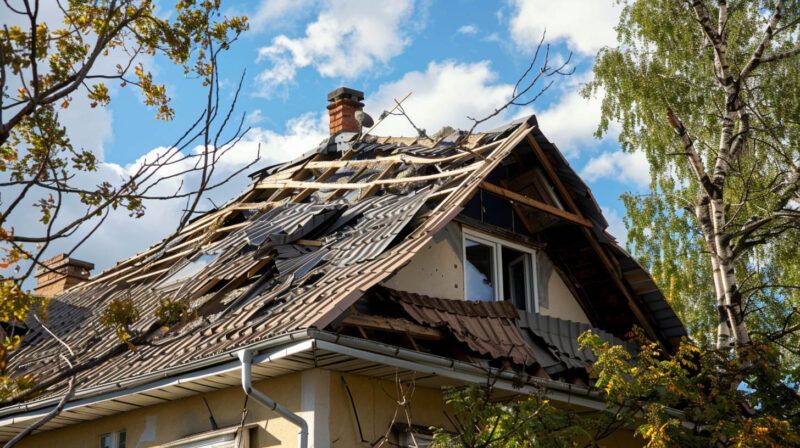
Roof replacements are one of the most significant home improvement investments you’ll ever make. But when a storm or sudden disaster causes extensive damage, many homeowners ask the same question: “Will my insurance cover the cost?” The answer isn’t always simple. If you live in Troy, MI, understanding the fine print of your policy could mean the difference between a covered roof replacement and an out-of-pocket expense. In this blog, we’ll break down how insurance coverage works for roof replacements—and what you need to watch for.
The Basics of Roof Insurance Coverage
Most standard homeowners insurance policies cover your roof under the “dwelling protection” section. That means if your roof is damaged due to a covered peril—such as wind, hail, fire, or falling trees—your policy should help pay for the repair or replacement.
However, not all damage is treated equally. Insurance typically does not cover:
- Normal wear and tear
- Poor maintenance or neglect
- Manufacturer defects
- Improper installation
To be eligible for a replacement, the damage must result from a sudden and accidental event.
Actual Cash Value (ACV) vs. Replacement Cost Value (RCV)
One of the most important distinctions in your policy is whether it offers Actual Cash Value (ACV) or Replacement Cost Value (RCV) coverage for your roof.
- ACV coverage pays you the depreciated value of your roof. If your roof is 15 years old, your reimbursement could be significantly reduced.
- RCV coverage pays the full cost to replace your roof with materials of similar kind and quality, minus your deductible.
Homeowners in Troy, MI should check their policies and consult their agents to determine which type of coverage applies. RCV offers better protection but may come with higher premiums.
How Insurance Companies Evaluate Your Claim
After a storm, your insurance company will assign a claims adjuster to inspect the damage. Their job is to assess:
- The age and condition of your roof
- The extent of visible damage
- Whether the cause aligns with a covered peril
- Whether the damage is repairable or requires full replacement
This is where professional documentation becomes critical. A certified roofer can provide an independent inspection and report to support your claim.
180 Contractors Roofing & Siding offers expert inspections and has experience working with insurance companies in Troy, MI. Their team helps homeowners navigate claims and ensures nothing is overlooked during the evaluation.
What You Can Do to Maximize Your Coverage
Here are some smart strategies to help ensure your roof replacement gets covered:
1. Document Everything
Keep detailed records of your roof’s age, warranties, maintenance history, and past repairs. After a storm, take photos of the damage immediately.
2. Schedule a Professional Inspection
Get a written inspection from a licensed roofing contractor. Their detailed report will help support your case with the insurance adjuster.
3. Don’t Wait to File a Claim
Most policies have time limits for filing claims. Waiting too long could result in a denial—even if the damage is legitimate.
4. Understand Your Deductible
Your insurance will only pay for costs that exceed your deductible. Know this amount ahead of time so you’re prepared for out-of-pocket costs.
Quality Materials Matter
Insurance companies often require that materials used in a roof replacement meet certain standards. Choosing a trusted brand like Owens Corning helps ensure your roof meets those standards for durability, wind resistance, and fire safety.
In addition, many insurance policies recognize impact-resistant shingles and may offer premium discounts for homes that install them. It’s worth asking your agent whether upgrading your shingles can lead to long-term savings.
Avoiding Common Pitfalls
Here are some mistakes to avoid that can jeopardize your insurance coverage:
- Attempting DIY repairs before filing a claim
- Accepting a low settlement without review
- Hiring storm chasers or unlicensed contractors
- Overlooking fine print in your policy
Instead, always work with local, experienced contractors who are familiar with insurance processes and committed to protecting your interests.
Final Thoughts
So, does your policy cover roof replacement costs? The answer depends on your policy type, the cause of damage, and how well you document and manage the process. For homeowners in Troy, MI, where storm-related roof damage is a real risk, now is the time to review your coverage—not after disaster strikes.
If you ever need help with inspections or navigating the claims process, count on 180 Contractors Roofing & Siding for honest advice and skilled service.
Read also our blog:
A Step-by-Step Guide to Roof Insurance Claims