Emergency Roof Repair: What to Do After a Storm
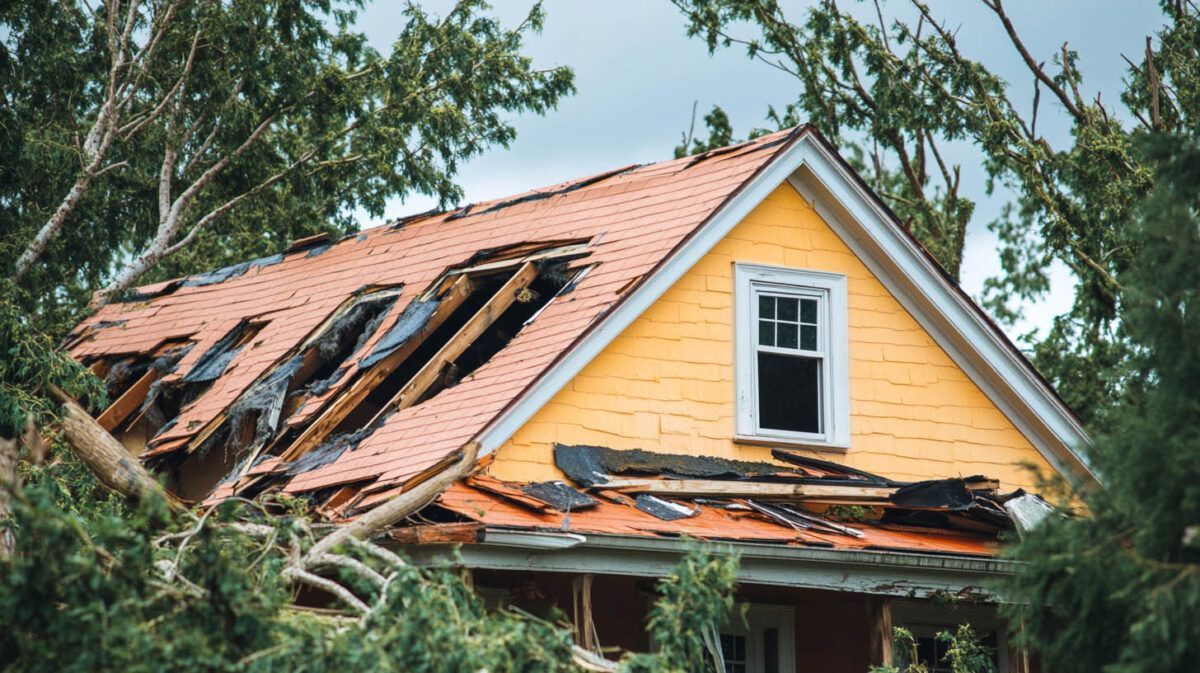
Storm damage can severely impact your roof, allowing further harm to your home. High winds can tear off shingles, leading to leaks in your attic and weakening the structure. Taking swift action is crucial; emergency roof repairs protect your house and prevent escalating costs. At 180 Contractors Roofing & Siding in Troy, MI, we understand the urgency of these situations. This guide will help you safeguard your roof and restore its integrity.
Immediate Steps to Secure Your Roof After Storm Damage
After severe weather, prioritize assessing your roof. Safely inspect for visible damage like missing shingles or loose materials, but be cautious—hidden structural damage may exist. Document the damage with clear photos for insurance claims.
Implement temporary repairs, such as emergency tarping, to prevent further water leaks and protect your roof’s integrity. This step reduces the risk of costly interior damage. Consult a reliable roofing contractor for a professional inspection to efficiently address both immediate repairs and long-term solutions.
Safety Protocols for Assessing Roof Damage
Personal safety is crucial when inspecting roof damage. Use proper protective gear, such as non-slip shoes and a hard hat. Employ a sturdy ladder and avoid climbing onto the roof unless it’s safe, especially after severe storms that could compromise its integrity.
From the ground, check for visible damage like missing shingles or loose granules. Binoculars can help assess high areas safely. Documenting damage with clear photos serves as a reference and aids in insurance claims. Prioritizing safety helps prevent accidents during the assessment.
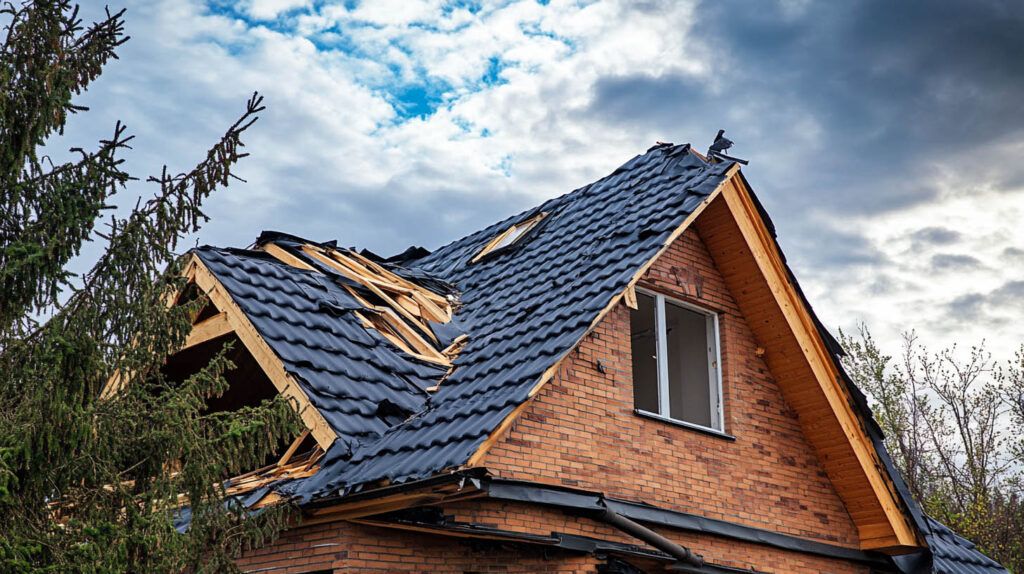
Temporary Solutions to Prevent Further Damage
After assessing visible damage, implement temporary solutions to protect your property. Emergency tarping shields the roof from rain and wind without compromising structural integrity. For minor issues like missing shingles, waterproof tape can offer temporary relief until permanent repairs are made.
Using buckets to collect leaks safeguards your interior from further water damage. Taking clear photos of the damage helps with insurance claims, providing accurate documentation for your provider. These steps mitigate additional damage and provide peace of mind during storm damage roof repair.
Understanding Different Types of Storm Damage
Assessing storm damage requires understanding the different types that can compromise a roof’s integrity. High winds often lead to missing shingles or loose materials, which can cause leaks. Early identification of visible damage is crucial to prevent structural issues. Homeowners should focus on roof slopes and gables, as these areas are particularly vulnerable.
Additionally, water intrusion can result in serious problems like stains or mold growth indoors. Recognizing the damage’s extent is vital for determining repair options. A professional roof inspection offers accurate solutions for both temporary fixes, such as emergency tarping, and permanent repairs to protect against future storms. Engaging a reliable roofing contractor ensures a thorough assessment and restoration.
Identifying and Addressing Wind Damage
Severe storms often reveal significant wind damage issues. Strong winds can dislodge shingles, exposing roofs to water intrusion. Key indicators include missing shingles, granules in gutters, and loose shingles that threaten the roof’s integrity. Documenting these signs is vital for communicating with a roofing contractor.
Addressing damage promptly is crucial to avoid costly repairs. Temporary solutions like emergency tarping can protect against leaks. For a thorough assessment, schedule a professional roof inspection to gauge the damage extent. Timely identification and accurate solutions help homeowners avoid stress and maintain their building’s structural integrity.
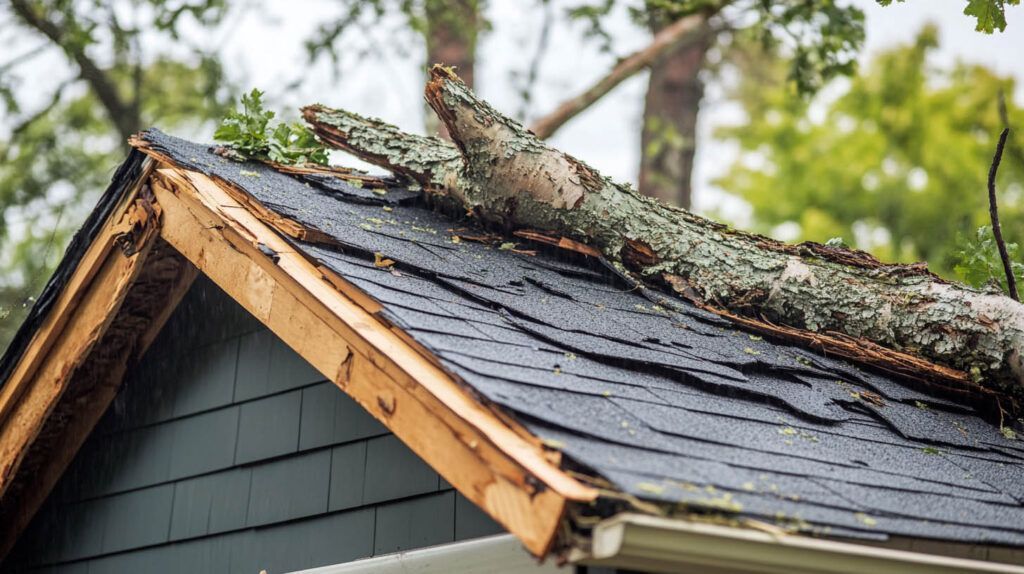
Strategies for Handling Water Intrusion
After a storm, addressing water intrusion requires swift action to protect your property. Start by identifying visible leaks, such as stains on ceilings and walls. Document the damage carefully for the insurance claims process. Use emergency tarping to cover affected areas until a professional roofing contractor can assess the situation, preventing further damage and preserving your roof’s integrity.
Selecting a Qualified Roofing Contractor
Finding a reliable roofing contractor for emergency repairs ensures your storm-damaged roof receives expert attention. Start by evaluating local, certified professionals familiar with common roof damage in your area. A thorough roof inspection is essential to assess the damage and maintain your home’s structural integrity during repairs.
Choose contractors that offer 24/7 emergency services, as quick action post-storm can prevent costly future repairs. Check customer reviews and request evidence of past successful work. This careful approach will give you peace of mind, ensuring effective solutions to restore your roof and protect your home from further damage.
Importance of Choosing Local, Certified Experts
Relying on local, certified experts for storm damage offers significant advantages. These professionals understand regional weather patterns and specific roofing challenges. A reliable contractor provides immediate emergency repairs while adhering to local building codes, maintaining your roof’s integrity.
Choosing certified experts ensures quality workmanship and familiarity with the claims process. They can accurately assess damage and document it for your insurance, streamlining financial support. Their commitment to customer satisfaction gives you peace of mind, knowing your repair options are backed by industry standards and local expertise for lasting solutions.
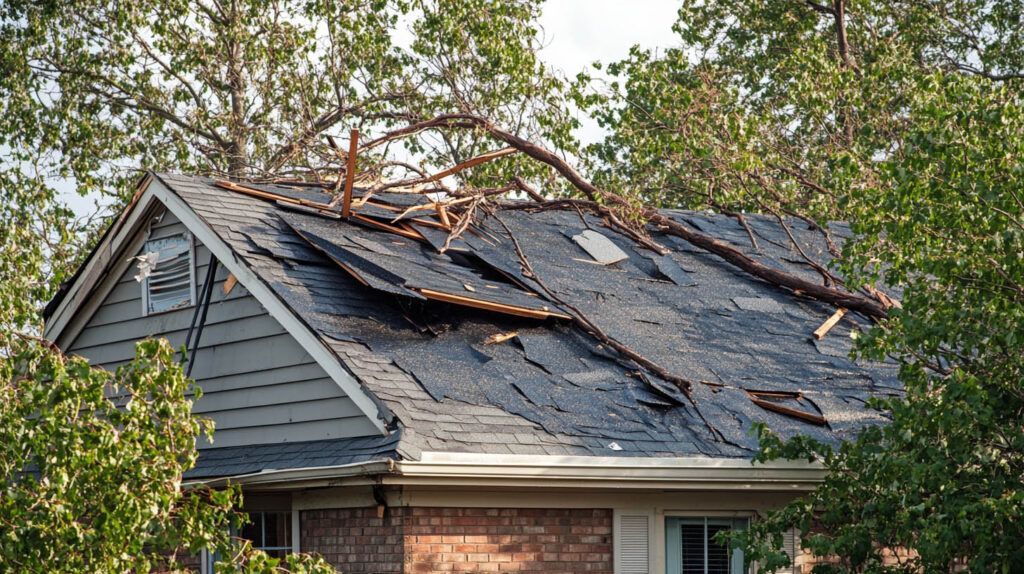
What to Look for in a 24/7 Emergency Roofing Service
When evaluating a 24/7 emergency roofing service, consider several key factors. First, choose contractors with local expertise who understand regional weather patterns and challenges. Verify their certifications and licenses to ensure compliance with industry standards.
Transparency in pricing and quick response times are also vital for reliability. A reputable provider will conduct a detailed assessment after storm damage, clearly outlining the necessary repairs. Request photos of the damage and comprehensive estimates to facilitate your insurance claims. By focusing on these elements, you’ll secure quality emergency roof repairs that maintain your roof’s integrity and provide peace of mind.
Navigating Insurance Claims for Roof Repairs
Filing an insurance claim for roof repairs after a storm requires a systematic approach. Start by gathering essential information, including clear photos of the damage and a detailed list of affected areas. A professional roofing contractor can help identify both visible and hidden issues, such as loose shingles or water intrusion.
During the claims process, maintain communication with your insurance provider to ensure they have all necessary documentation. Familiarize yourself with your policy’s specifics on storm damage, as this knowledge can expedite the process. Accurate documentation and prompt communication are crucial for a favorable resolution, enabling timely emergency repairs that restore your roof’s integrity and provide peace of mind.
Documenting Damage for Claims
Accurate documentation is essential for navigating insurance claims after storm damage. Start by taking clear photos of affected areas, highlighting visible damage like missing shingles, loose materials, or water stains. These images provide crucial evidence to expedite the claims process. Additionally, carefully note the extent of the damage, including any interior issues from roof leaks.
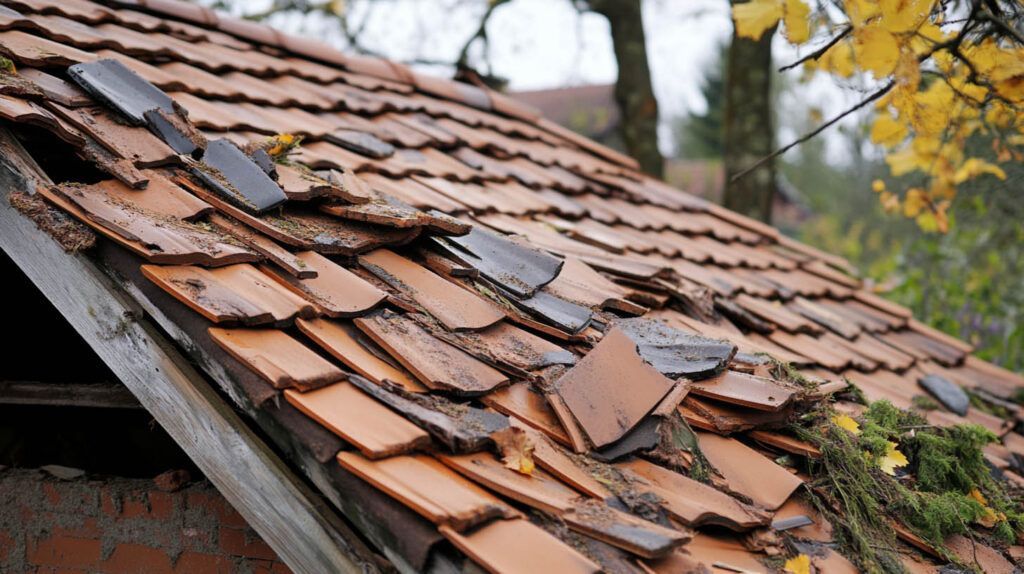
Tips for Smooth Insurance Claim Processing
Accurate documentation streamlines the storm damage claims process. Start by capturing clear photos of all visible damage, such as missing shingles and water stains. Organize this evidence for effective communication with your insurance provider.
Refer to the Insurance Information Institute for guidance on required documentation and best practices. Engage a reliable roofing contractor to assess the damage and provide detailed reports to support your claim. Keep a log of communications with your insurer and any repairs made to maintain a comprehensive record. Following these steps will simplify the claims process and ease your mind during emergency roof repairs.
Connect With Us
Roof damage from a storm can be overwhelming, but understanding the emergency repair process is vital for protecting your home. At 180 Contractors Roofing & Siding in Troy, MI, we prioritize immediate repairs like temporary tarping to safeguard your roof and prevent further damage. Our reliable team offers 24/7 emergency services for prompt assistance when you need it most. We are proud of our certifications as Owens Corning Preferred and CertainTeed Shingle Master, along with our BBB A+ rating and recognition as a Guildmaster by Guildquality. Additionally, we assist with insurance claims by providing accurate documentation and clear photos of the damage to expedite the process. With 180 Contractors Roofing & Siding, homeowners can secure their homes and protect their investments.
Read our blog: The Hidden Costs of Ignoring Small Roof Issues
Frequently Asked Questions
How quickly should I act after noticing roof damage?
After noticing roof damage, act immediately to prevent worsening issues. Secure the area and document the damage with photos for insurance claims. Contact a qualified roofing contractor as soon as possible to assess and address the damage before further complications arise.
Can minor damages wait until regular business hours for repairs?
While some minor roof damages might seem manageable until regular business hours, it’s essential to assess the risk of worsening conditions. Delaying repairs can lead to increased damage and costs, making it prudent to seek immediate help if there’s potential for additional harm.
GET A FREE QUOTE
We will get back to you as soon as possible.
Please try again later.
Recent Posts