Why Proper Maintenance of Stone Veneer Siding Matters
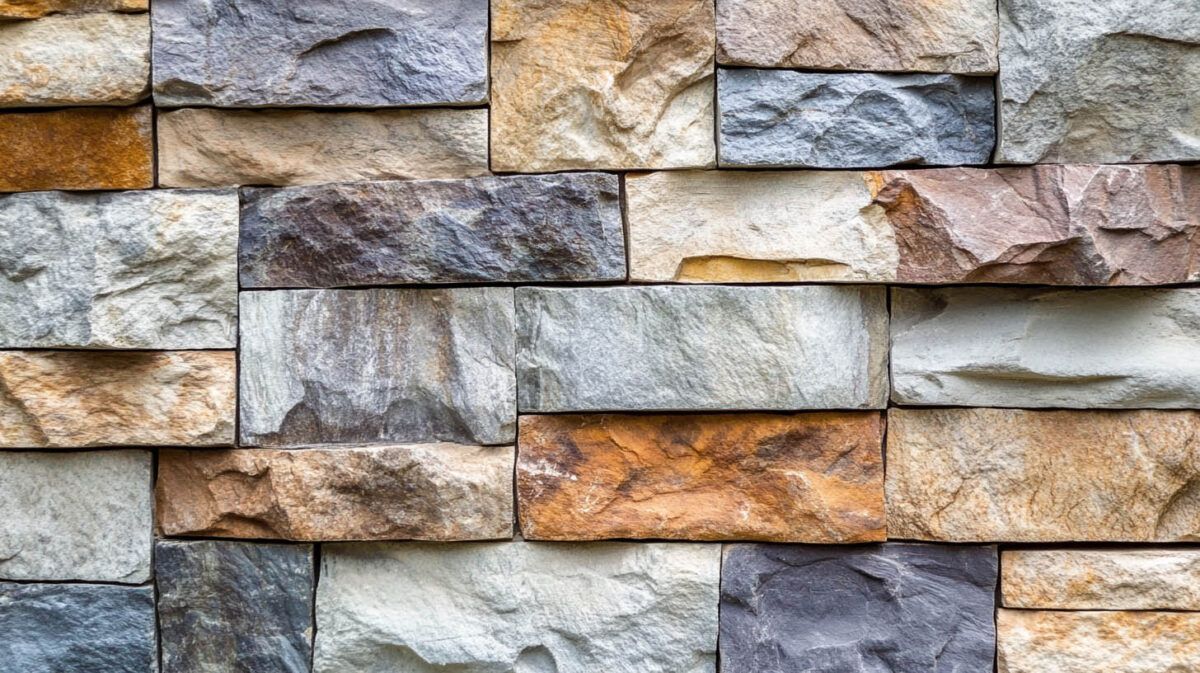
Stone veneer siding enhances a home’s curb appeal, adding a timeless and elegant appearance. While this material is durable, it requires proper care to maintain its beauty and structural integrity. Without regular maintenance, dirt buildup, weather exposure, and improper cleaning techniques can lead to discoloration, surface damage, and weakened mortar.
How to Keep Stone Veneer Siding in Pristine Condition
Conduct Routine Inspections
Regular inspections help identify potential issues before they become costly repairs. At least twice a year, walk around the home and check for:
- Loose or Missing Stones – Strong winds, rain, and settling of the foundation can cause stones to shift or fall out.
- Cracks in Mortar Joints – Weather exposure can cause the mortar between stones to deteriorate, leading to structural weakness.
- Signs of Moisture Damage – Stains, mold growth, or efflorescence (a white, powdery substance) indicate excessive moisture buildup.
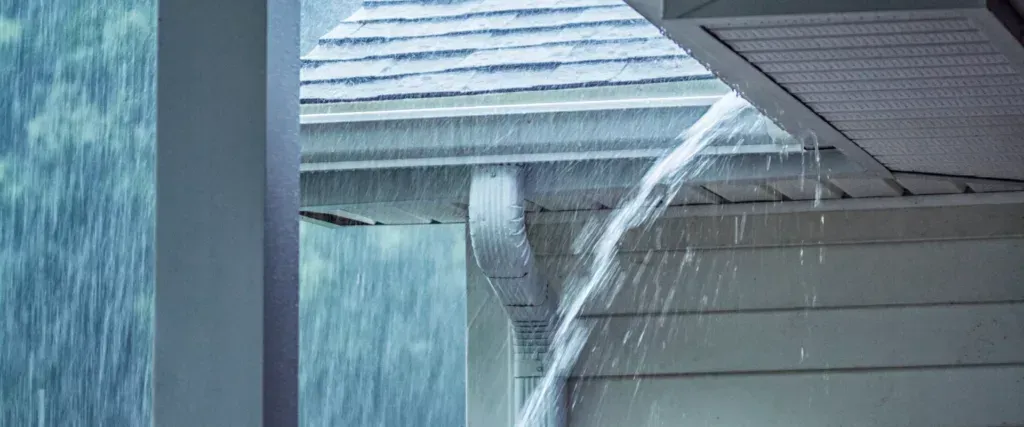
- Post-Storm Checks – After severe weather, examine the siding for hail damage, water infiltration, or loose pieces.
Repointing: Restoring Worn Mortar Joints
Repointing, also known as tuckpointing, is the process of replacing deteriorated mortar between stones. This step is essential for maintaining structural integrity and preventing water infiltration.
Steps for Repointing Stone Veneer Siding
- Remove Old Mortar – Use a chisel or masonry grinder to carefully remove damaged mortar without disturbing the stones.
- Prepare the New Mortar Mix – A vinyl-infused patching mortar works best for veneer stone applications.
- Apply the Mortar – Using a mortar bag, squeeze the fresh mortar into the joints, filling them evenly.
- Smooth and Blend – Use a damp sponge or gloved finger to smooth the mortar and match the existing texture.
- Allow to Dry – Let the mortar set for at least 24 hours before cleaning or sealing the surface.
Choosing the Right Cleaning Method
Unlike natural stone, stone veneer requires a gentle cleaning approach to avoid surface damage. Using harsh chemicals or abrasive tools can lead to discoloration and degradation.
- Recommended Cleaning Solution
- Mild Soap and Water – A mixture of dish soap and warm water effectively removes dirt and grime.
- White Vinegar Solution – A diluted vinegar solution (one part vinegar, five parts water) can break down stains without harming the finish.
- Soft-Bristle Brush – Ideal for scrubbing without scratching the surface.
- Garden Hose Rinse – A gentle rinse removes soap residue without excessive pressure.
Cleaning Process
- Wet the Surface – Lightly mist the siding with a garden hose to loosen debris.
- Apply the Cleaning Solution – Use a sponge or soft brush to scrub dirt from the surface.
- Rinse Thoroughly – Ensure all soap residue is removed to prevent streaking or residue buildup.
- Let the Siding Air Dry – Avoid direct sunlight when cleaning to prevent streaking from quick evaporation.
What to Avoid When Cleaning Stone Veneer
Certain cleaning methods can cause irreversible damage to stone veneer siding. Homeowners should avoid:
- Pressure Washers – High-pressure water can erode the surface and loosen stones.
- Acid-Based Cleaners – Products containing hydrochloric or muriatic acid can permanently stain and weaken stone veneer.
- Wire Brushes or Scouring Pads – These abrasive materials can scratch and dull the surface.
- Bleach or Harsh Chemicals – While effective on some surfaces, these cleaners can strip away the protective sealant.
Applying a Protective Sealant
Sealing stone veneer siding extends its lifespan by protecting against moisture, stains, and environmental damage. A breathable sealer prevents water absorption while allowing natural air circulation.
Steps for Proper Sealant Application
- Choose the Right Sealer – Look for a breathable, masonry-safe sealant specifically formulated for stone veneer.
- Clean the Surface – Ensure the siding is free of dust and debris before application.
- Apply Evenly – Use a paint roller or spray applicator to coat the surface.
- Allow Proper Drying Time – Most sealants require at least 24 hours to fully cure.
Addressing Common Stone Veneer Issues
Efflorescence (White Powdery Stains)
Efflorescence occurs when minerals from water seep to the surface, leaving a white residue. To remove:
- Use a Dry Brush – Gently scrub the area with a soft-bristle brush.
- Apply a Vinegar Solution – A diluted vinegar rinse can dissolve stubborn mineral deposits.
- Improve Drainage – Ensure gutters and downspouts direct water away from siding.
Mold and Mildew Growth
Moisture accumulation can lead to mold growth, particularly in shaded areas. Prevent this by:
- Trimming Nearby Vegetation – Allow air circulation to keep surfaces dry.
- Using a Mild Bleach Alternative – A hydrogen peroxide solution can kill mold without damaging the siding.
Why Professional Maintenance Matters
While DIY maintenance can extend the life of stone veneer siding, some repairs require expert attention. Hiring a professional ensures:
- Precision Repairs – Properly replaced stones and mortar maintain the home’s structural integrity.
- Safe Cleaning Methods – Trained professionals use techniques that prevent damage.
- Long-Term Cost Savings – Preventative care reduces the likelihood of expensive siding replacements.
Partnering with a Trusted Siding Contractor
Stone veneer siding requires expert installation and maintenance for optimal performance. 180 Contractors Roofing & Siding, located in Rochester Hills, MI, specializes in high-quality siding services, ensuring homeowners receive durable and aesthetically pleasing results.
Our certifications include:
- BBB A+ Accredited – Recognized for outstanding customer satisfaction and service.
- Guildmaster (GuildQuality) – Awarded for superior craftsmanship and professionalism.
- INC 5000 – Ranked among the fastest-growing companies in the remodeling industry.
- Google Guaranteed – Verified for high-quality service and expertise.
- Qualified Remodeler Top 100 Satisfaction – Recognized for excellence in home improvement.
We work with industry-leading brands, including James Hardie, Alside, and Everlast, ensuring homeowners receive the best materials for their exterior renovations.
FAQs
1. How often should I clean stone veneer siding?
Cleaning every six months helps prevent dirt buildup and extends the lifespan of the siding. Post-storm inspections are also recommended.
2. Can I use a pressure washer on stone veneer?
No, pressure washers can erode the surface and loosen mortar joints. A garden hose with gentle pressure is a safer option.
3. What’s the best way to remove stains from stone veneer?
A mild vinegar solution or a gentle soap and water mix works best for most stains. Avoid acid-based cleaners.
4. Do I need to reseal stone veneer siding?
Yes, applying a breathable masonry sealer every few years helps protect against moisture and stains.
5. Can damaged stone veneer be repaired?
Yes, loose or cracked stones can be replaced, and mortar joints can be repointed to restore structural integrity.
Conclusion
Proper maintenance of stone veneer siding ensures long-lasting beauty and structural durability. Regular cleaning, repointing, and sealing protect against moisture damage and environmental wear. Homeowners looking to preserve their stone veneer siding should follow these best practices while partnering with trusted professionals for expert care.
Read also our blog:
Boost Your Home’s Aesthetic with Durable James Hardie Siding