Fiber cement siding is a durable, low-maintenance exterior option that resists weather damage, pests, and fire. However, to maximize its lifespan and maintain its appearance, routine maintenance is essential. This guide outlines best practices for cleaning, inspecting, and preserving fiber cement siding, ensuring it remains in optimal condition for decades.
Regular Inspection: Identifying Early Signs of Damage
Routine inspections help catch minor issues before they escalate into costly repairs. Homeowners should examine their siding at least twice a year, ideally in the spring and fall.
What to Look For:
- Cracks and Chips:
Small surface cracks can allow moisture to seep in, potentially leading to structural damage.
- Loose or Warped Panels: Extreme weather conditions can loosen or warp fiber cement siding, requiring realignment or replacement.
- Caulk and Sealant Wear: Check for gaps around seams, windows, and doors where caulking may have deteriorated.
- Mold and Mildew Growth:
Discoloration, especially in shaded areas, could indicate excessive moisture retention.
If damage is detected, prompt repairs can prevent further deterioration. Minor cracks can often be patched with a high-quality cement-based filler, while severely damaged sections may require professional replacement.
Cleaning Fiber Cement Siding: Best Practices
Regular cleaning enhances curb appeal and removes dirt, pollen, and mildew that can accumulate over time.
Materials Needed:
- Soft-bristle brush or microfiber cloth
- Garden hose with a spray nozzle
- Mild detergent or dish soap
- Bucket of warm water
- Optional: Diluted bleach solution (for stubborn stains)
Cleaning Process:
- Start from the Top Down:
Use a soft brush to scrub the siding gently, working from top to bottom to prevent streaking.
- Rinse Thoroughly:
Spray the siding with a garden hose to wash away residue, avoiding excessive pressure.
- Tackle Stubborn Stains: If needed, use a diluted bleach solution (one part bleach to three parts water) to remove mold and mildew, then rinse immediately.
Avoid Pressure Washers on High Settings: Excessive force can damage the surface, compromise protective coatings, and drive moisture behind panels. If using a pressure washer, keep it on a low setting and maintain a safe distance.
Protecting Fiber Cement Siding with Sealants and Paint
Applying a protective sealant every few years helps shield fiber cement siding from moisture, UV damage, and fading.
Choosing the Right Sealant:
- Acrylic-Based Sealants:
Provide flexibility and durability against temperature fluctuations.
- Silicone-Based Sealants:
Offer superior waterproofing but may be harder to paint over.
- Manufacturer-Recommended Products: Always follow brand-specific recommendations to avoid voiding warranties.
How to Apply Sealant:
- Clean the Surface:
Ensure the siding is dry and free from dirt before application.
- Apply Evenly: Use a brush, roller, or sprayer to coat the siding with sealant.
- Allow Proper Drying Time: Follow the manufacturer’s drying recommendations before exposing the siding to moisture.
Repainting fiber cement siding every 10-15 years also helps maintain its appearance and durability. Use 100% acrylic exterior paint for optimal adhesion and longevity.
Preventing Moisture Damage and Warping
Although fiber cement siding is moisture-resistant, improper maintenance can lead to water infiltration.
Preventative Measures:
- Ensure Proper Drainage:
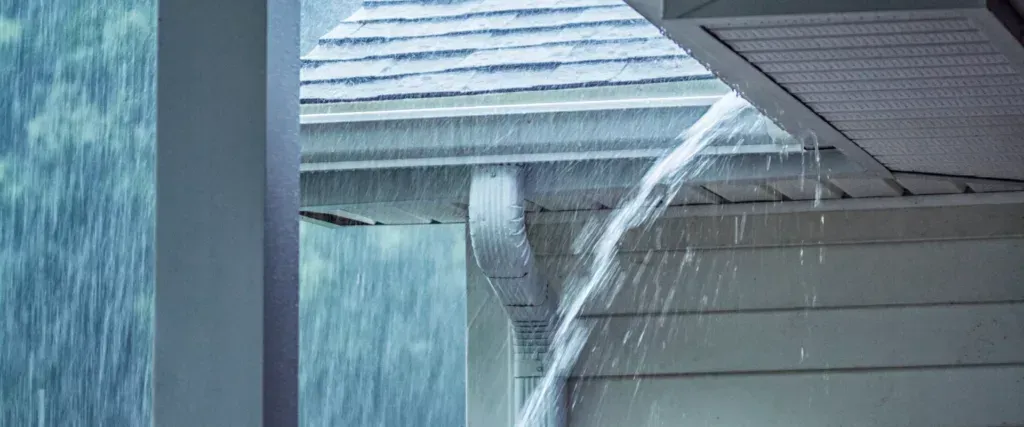
Keep gutters and downspouts clear to prevent water buildup around siding.
- Maintain a Safe Clearance: Keep plants, mulch, and soil at least 6 inches away from siding to prevent moisture retention.
- Check for Gaps and Re-Caulk:
Regularly inspect and replace caulking around joints and edges.
When to Seek Professional Repairs
If siding damage extends beyond minor cracks or stains, professional intervention may be necessary. Common signs that require expert assistance include:
- Large cracks or broken panels
- Soft or deteriorating boards
- Persistent water damage signs (swelling, mold, or interior leaks)
Industry-Leading Services from 180 Contractors Roofing & Siding
Proper maintenance ensures fiber cement siding remains an attractive, durable investment. When professional repairs or inspections are needed, 180 Contractors Roofing & Siding, located in Rochester Hills, MI, offers expert solutions. As a BBB A+ accredited company and a Guildmaster (GuildQuality) award recipient, we provide top-tier service using premium materials from James Hardie, Alside, and Everlast. Our commitment to quality has earned us recognition in the INC 5000, Google Guaranteed, and Qualified Remodeler Top 100 Satisfaction rankings.
Frequently Asked Questions (FAQs)
1. How often should fiber cement siding be cleaned?
It should be cleaned at least once a year, with additional spot cleaning as needed.
2. Can I use a pressure washer on fiber cement siding?
Yes, but only on a low setting. High pressure can damage the siding and force moisture behind the panels.
3. How long does fiber cement siding last?
With proper maintenance, fiber cement siding can last 50 years or more.
4. Do I need to repaint fiber cement siding?
Yes, repainting every 10-15 years helps maintain its appearance and durability.
5. What should I do if I notice cracks in my siding?
Small cracks can be patched with a cement-based filler, while extensive damage may require panel replacement.
Conclusion
Routine maintenance, including regular inspections, cleaning, and sealing, ensures fiber cement siding remains durable and visually appealing for years. By following best practices and addressing minor issues promptly, homeowners can prevent costly repairs and extend the lifespan of their siding.
Read also our blog:
The Benefits of Engineered Wood, Fiber Cement, and Vinyl Siding: A Comprehensive Guide