A successful siding replacement project requires an understanding of key siding terminology. Whether upgrading for durability, aesthetics, or energy efficiency, knowing the correct terms ensures better communication with contractors and informed decision-making. This guide breaks down the most common siding-related terms, helping homeowners confidently navigate their exterior renovation.
Siding Styles and Design Elements
1. Lap Siding
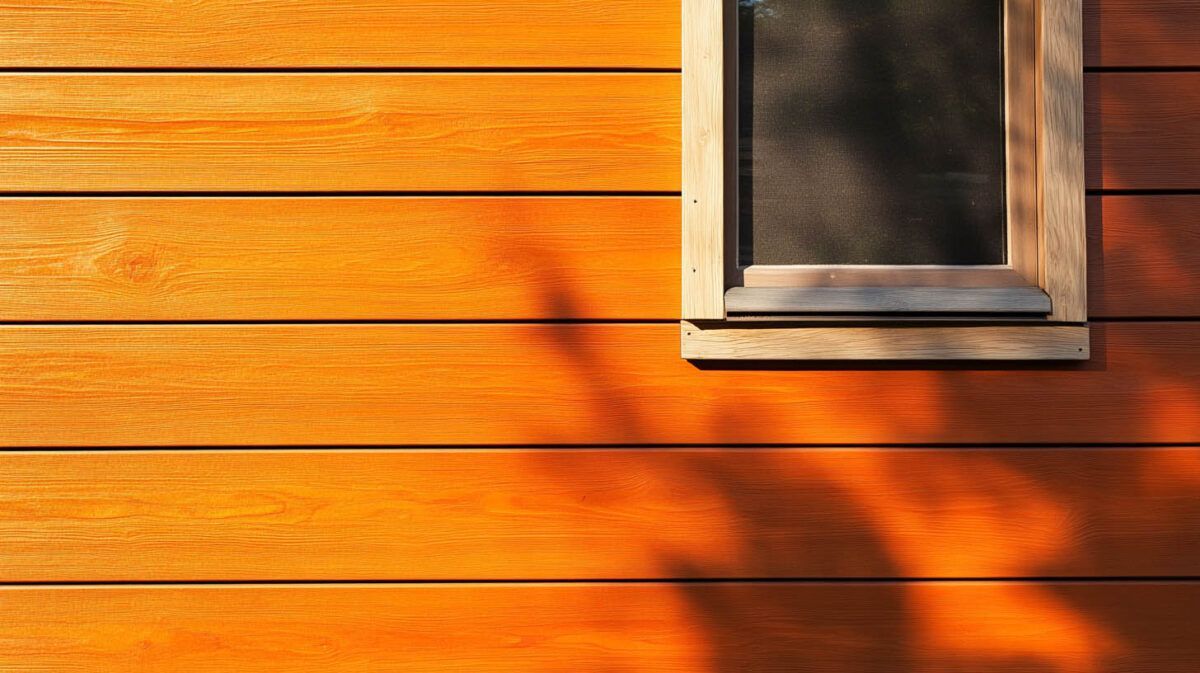
Lap siding consists of horizontal boards that slightly overlap, creating a layered effect. This classic style enhances weather resistance by preventing water infiltration. It is available in various materials, including fiber cement, vinyl, and wood.
2. Board-and-Batten Siding
This style features wide vertical planks (boards) with narrow strips (battens) covering the seams. Board-and-batten siding is popular in modern farmhouse designs and provides a rustic yet contemporary appeal.
3. Shake and Shingle Siding
- Shingle Siding:
Small, uniform rectangular pieces that create a refined and polished look. Often used in Cape Cod and Craftsman-style homes.
- Shake Siding: Similar to shingles but with a rougher, more textured surface. Traditionally made from wood but now available in durable fiber cement.
4. Tongue-and-Groove Siding
A method where one edge of the board has a protruding “tongue” that fits into a corresponding “groove” on another board. This design offers a tight, seamless connection ideal for contemporary and rustic aesthetics.
5. Vertical Siding
Unlike traditional horizontal siding, vertical siding creates a bold, elongated look. Common in modern and barn-style homes, it enhances visual height and adds a distinctive design element.
Siding Components and Installation Terms
6. Starter Strip
A horizontal strip installed at the base of the wall to secure the first row of siding, ensuring a level foundation for proper installation.
7. Buttlock
The lower section of a siding panel designed to interlock with the piece below it, keeping the siding panels securely in place.
8. Nailing Hem
A reinforced strip at the top of a siding panel containing pre-punched holes for fasteners. Ensures secure attachment while allowing for slight movement due to temperature changes.
9. Course
A single row of siding running the width of the home. Siding can have multiple courses depending on the height of the house.
10. Weep Holes
Small openings in siding or trim designed to allow trapped moisture to escape, preventing mold growth and structural damage.
11. Miter Joint
A precise angled cut where two siding pieces meet at a corner, typically at a 45-degree angle, forming a seamless edge.
12. Corner Trim
Decorative and protective trim covering the seams at the edges of a home’s exterior. Available in two types:
- Inside Corner Trim: Covers seams where two walls meet inward.
- Outside Corner Trim:
Covers and protects exposed external corners.
13. Exposure (Reveal)
The visible portion of a siding plank after installation. Varies based on the chosen siding style and material.
14. Gauge
A term used to describe the thickness of the siding material. A higher gauge typically means a thicker, more durable siding product.
Structural and Protective Elements
15. Backer Board (Sheathing)
A flat layer of plywood, OSB (oriented strand board), or foam installed under the siding to provide a solid base and structural support.
16. Underlayment
A protective layer installed between the siding and the backer board to enhance moisture resistance and insulation. Often consists of house wrap, felt paper, or foam board.
17. Frieze Board
A decorative horizontal trim piece covering the gap between the top of the siding and the soffit (underside of the roof eaves). Provides a polished look while sealing potential entry points for pests.
18. Soffit
A ventilated material covering the exposed underside of the roof eaves. Enhances attic airflow, preventing moisture buildup and improving energy efficiency.
19. Wind Load Rating
A measure of a siding material’s ability to withstand high winds and severe weather. Essential for homes in hurricane-prone or high-wind regions.
Common Siding Problems and Repair Terms
20. Checking
Fine cracks along the wood grain in natural wood siding due to exposure to moisture and temperature fluctuations.
21. Face Nailing
A faulty installation method where nails are driven directly through the siding surface instead of through the nailing hem. This weakens the material and compromises its ability to expand and contract.
22. Cupping
A condition where siding boards warp outward, creating a concave shape. Often caused by improper installation, moisture retention, or temperature changes.
Understanding Material-Specific Terminology
23. Fiber Cement Siding
A durable, low-maintenance material composed of cement, sand, and cellulose fibers. Resistant to fire, pests, and extreme weather. James Hardie is the leading manufacturer of fiber cement siding.
24. Vinyl Siding
A lightweight and cost-effective siding material made from PVC plastic. Available in various colors and textures, but can be susceptible to cracking in extreme cold and fading over time.
25. Composite Siding
A blend of wood fibers, resin, and other synthetic materials designed to mimic natural wood while providing increased durability and moisture resistance.
Why Homeowners Trust 180 Contractors Roofing & Siding
At 180 Contractors Roofing & Siding, we provide expert siding installation and replacement services in Troy, MI. With years of industry experience, we offer durable and aesthetically appealing solutions tailored to each homeowner’s needs. Our team is recognized for excellence, holding certifications such as:
- BBB A+ Accreditation – A mark of our superior service and reliability.
- Guildmaster (GuildQuality) Recognition –
Awarded for outstanding customer satisfaction.
- INC 5000 – Ranked among the fastest-growing home improvement companies.
- Google Guaranteed –
Verified for quality craftsmanship and professional service.
- Qualified Remodeler Top 100 Satisfaction – Recognized as an industry leader.
We partner with James Hardie, Alside, and Everlast, ensuring high-quality siding products that deliver long-lasting beauty and protection.
FAQs
1. How do I know when it’s time to replace my siding?
Signs that indicate a need for replacement include cracked or warped panels, increased energy bills, mold or mildew growth, and visible water damage.
2. What is the most durable type of siding?
Fiber cement siding is one of the most durable options, offering resistance to fire, pests, moisture, and extreme weather conditions.
3. How long does siding replacement take?
Most siding installations take one to two weeks, depending on the home’s size, material choice, and weather conditions.
4. What siding requires the least maintenance?
Vinyl and fiber cement siding are both low-maintenance options. Fiber cement, in particular, retains its color longer and requires less frequent cleaning.
5. Can I mix different siding styles on my home?
Yes, mixing styles like lap siding with board-and-batten or using shake accents on gables can create a visually striking exterior.
Conclusion
Understanding siding terminology empowers homeowners to make informed decisions about their siding replacement projects. By familiarizing yourself with essential terms and installation techniques, you can ensure a smooth, efficient, and successful siding upgrade that enhances both aesthetics and durability.
Read also our blog:
Modern Siding Color and Style Trends for Homeowners