Introduction
Homeowners seeking to enhance curb appeal and durability often turn to James Hardie siding for its superior quality and diverse color options. Gone are the days of limited beige or neutral tones—today’s homeowners can choose from a wide range of colors, textures, and styles to personalize their exteriors. James Hardie’s ColorPlus® Technology ensures long-lasting, vibrant colors that resist fading and weather damage. This guide explores the various James Hardie siding colors, design strategies, and essential tips for selecting the perfect hue for any home.
The Advantages of James Hardie Siding
1. Fiber Cement Construction for Long-Term Performance
James Hardie siding is made from fiber cement, a durable material composed of cement, sand, and cellulose fibers. Unlike wood or vinyl, fiber cement resists moisture damage, warping, and pest infestations. It also withstands extreme weather conditions, making it an ideal choice for homeowners looking for longevity and minimal maintenance.
2. ColorPlus® Technology for Fade-Resistant Hues
James Hardie siding colors are applied using a proprietary ColorPlus® Technology, which involves a multi-coat, baked-on process that prevents fading and chipping. This innovative technology ensures that siding retains its vibrant appearance for years, reducing the need for repainting and maintenance.
3. Aesthetic Versatility to Match Any Architectural Style
From classic colonial homes to sleek modern designs, James Hardie offers color palettes that complement various architectural styles. The ability to mix and match colors and textures allows homeowners to create a unique and customized look.
James Hardie Siding Styles
1. HardiePlank® Lap Siding
HardiePlank is the most popular siding option, mimicking the appearance of traditional wood planks while offering superior durability. Available in a variety of finishes, it complements both contemporary and historic homes.
2. HardieShingle® Siding
Designed to replicate the appearance of cedar shingles, HardieShingle siding adds a rustic yet refined look. It is commonly used for Cape Cod-style homes or as an accent feature on gables.
3. HardiePanel® Vertical Siding
For a modern aesthetic, HardiePanel siding provides a clean, vertical appearance that enhances contemporary and farmhouse-style homes. It can be combined with HardieTrim® boards for added dimension.
4. HardieTrim® Boards
HardieTrim boards are used to frame windows, doors, and corners, providing a polished and cohesive look to the home’s exterior. Available in a range of colors, these trim options enhance architectural details.
Choosing the Right James Hardie Siding Color
1. Classic Neutrals for Timeless Appeal
Neutral tones such as Cobblestone, Navajo Beige, and Pearl Gray offer timeless elegance and blend seamlessly with various design elements. These shades provide flexibility for future exterior updates, making them a safe and enduring choice.
2. Bold Colors for a Striking Statement
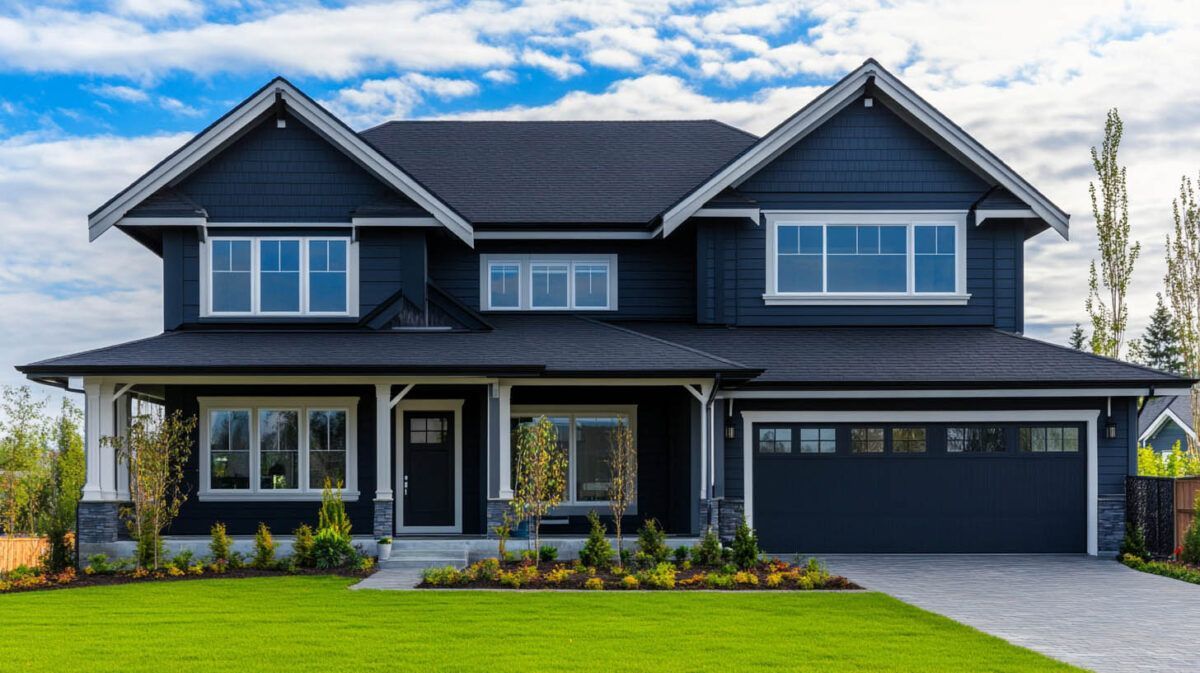
For homeowners looking to make an impact, bold colors such as Deep Ocean (a rich navy blue), Countrylane Red, and Iron Gray provide eye-catching contrast. Darker colors add sophistication and depth, while vibrant hues create a unique, standout exterior.
3. Earthy Tones for Natural Integration
Warm and earthy colors, including Mountain Sage and Timber Bark, work well in wooded environments or homes with stone or brick accents. These shades complement natural surroundings and create a harmonious look.
4. Contrasting Combinations for Depth and Character
Using a combination of light and dark colors adds depth and dimension to a home’s exterior. For example, Aged Pewter siding with Arctic White trim creates a crisp, modern contrast. Similarly, pairing Light Mist siding with Iron Gray accents provides a balanced yet striking aesthetic.
How to Select the Best Siding Color for Your Home
1. Consider Your Home’s Architectural Style
Traditional homes often look best with classic neutral tones, while contemporary designs can benefit from bold contrasts. Colonial and farmhouse styles typically feature white or beige exteriors with dark shutters, whereas Craftsman homes embrace earthy greens and browns.
2. Evaluate Your Landscape and Surroundings
A home’s exterior should complement its natural surroundings. Lighter colors work well in shaded areas, while darker hues stand out in open landscapes. For homes in coastal regions, soft blues and grays blend beautifully with ocean views.
3. Think About Resale Value
Neutral colors tend to appeal to a broader audience, making them a safe choice for homeowners planning to sell in the future. While bold colors can add personality, overly unique shades may limit resale potential.
4. Use Online Color Visualizers
James Hardie offers an online Color Visualizer tool that allows homeowners to preview different siding colors on various home styles. This interactive tool helps visualize how colors will look before making a final decision.
5. Get Physical Samples
Viewing actual siding samples in natural light ensures an accurate color representation. Computer screens and printed brochures may not always reflect the true shade of a color.
Comparing James Hardie Siding to Other Materials