Fiber Cement vs. Aluminum Siding: A Detailed Comparison

180 Contractors • April 22, 2025
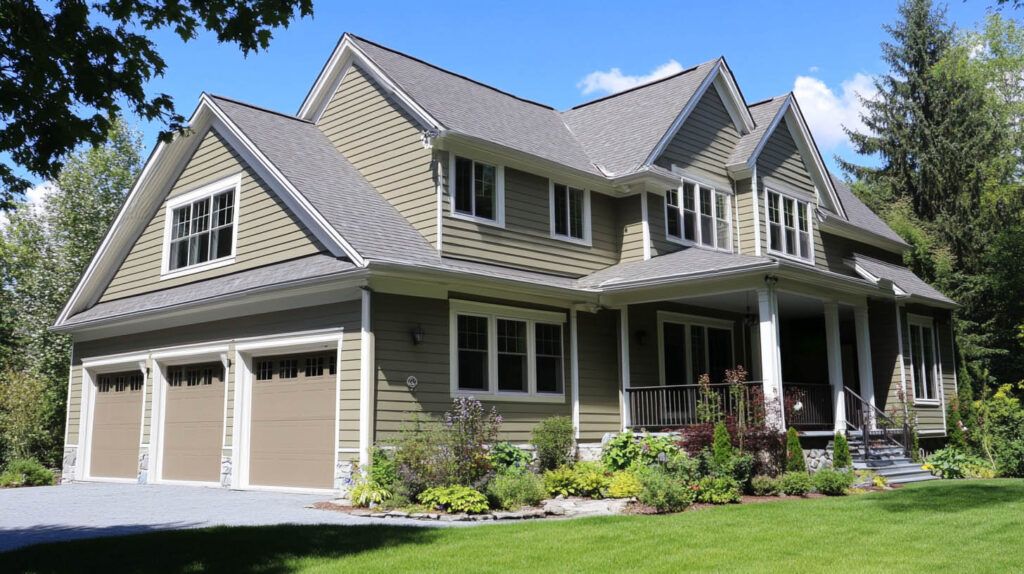
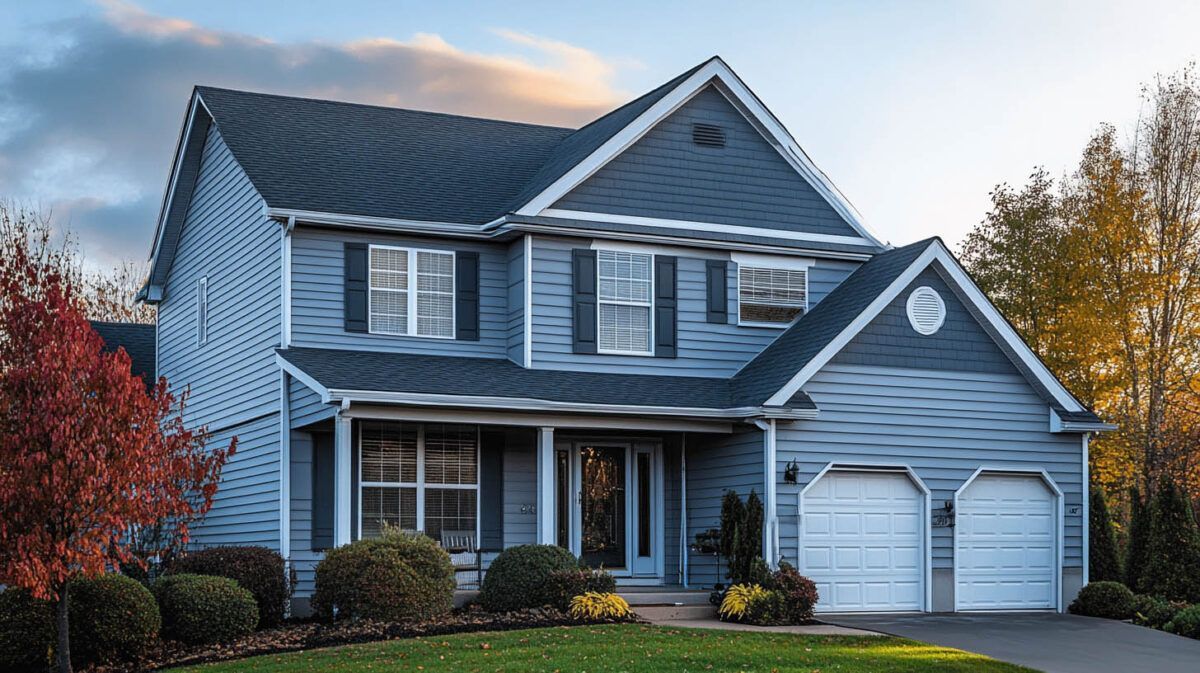
Blue two-story suburban house with white trim, two-car garage, and autumn landscaping

Are you looking to upgrade your home’s curb appeal and protect your investment with new siding? At 180 Contractors Roofing & Siding in Troy, MI, we understand the importance of choosing the right material for your siding replacement project. That’s why we offer top-quality options from brands like James Hardie, Alside, and Everlast. We will provide a detailed comparison of fiber cement siding and aluminum siding, helping you make an informed decision based on your home’s style, budget, and future needs. As a BBB A+ accredited, Guildmaster (Guildquality), INC 5000, Google Guaranteed, and Qualified Remodeler top 100 satisfaction company, we are committed to excellence in every project we undertake.


Understanding Materials

Siding is very important. It protects your home from bad weather and the worst weather conditions and also makes your house look nice. There are different materials to choose from, so knowing their features will help you pick the best material.


This guide will look at two common choices: fiber cement siding, including Hardie board material, and aluminum siding. We will explore how durable they are, how much care they need, how they appear, and their costs. This way, you will get the information you need to make a good choice for your home project.


The Basics of Fiber Cement Siding

Fiber cement siding blends durability with style, using cellulose fibers and cement to create a robust material resistant to pests, moisture, and extreme weather. Known for mimicking the look of real wood without the cons, it offers a wide range of colors and styles to enhance your home’s curb appeal and overall home’s value, while also providing a finish that withstands fading and peeling. Installation costs may vary, but its long lifespan and minimal maintenance make it a popular choice for homeowners looking for a reliable and attractive option.


The Essentials of Aluminum Siding

Aluminum siding is a popular choice for its durability, especially in areas prone to extreme weather conditions. With minimal maintenance required, it offers homeowners a long-lasting solution. Installation costs can be economical compared to other options, making it a cost-effective choice for many. Aluminum siding, often compared to vinyl siding, comes in various styles and colors, providing homeowners with versatility in enhancing their home’s curb appeal. Its resistance to pests, moisture, and rot adds to its durability and makes it a practical option for homeowners seeking a low-maintenance solution.


Key Factors in Choosing Siding for Your Home

Choosing the right siding needs thoughtful planning. It’s important to balance your budget, the look you want, and how much upkeep you are ready to do.


You should also think about how long your siding will last and how strong it is. This way, you can protect your money spent. The next parts will look closely at these points, comparing fiber cement to aluminum siding.


Durability and Lifespan

When considering durability and lifespan, Fiber Cement siding outshines Aluminum siding as the most durable option. With minimal maintenance needs and resistance to pests, moisture, and harsh weather conditions, Fiber Cement proves its longevity. Aluminum siding, though durable, may dent or scratch more easily than Fiber Cement. This difference reflects in the lifespan of both materials, with Fiber Cement typically lasting longer before needing any significant replacement or maintenance, making it a reliable choice for homeowners looking for a long-term solution.
Large gray suburban house with a three-car garage, white trim, and a landscaped front yard

Maintenance Requirements

Both fiber cement and aluminum siding need less care than wood siding. Fiber cement only needs a little cleaning now and then. Its colors stay bright, so you don’t have to repaint often, which helps lower maintenance costs.


Aluminum siding is also low maintenance and is known for being a “set it and forget it” type of material. It might need occasional cleaning to stop dirt and mildew from building up. It resists rot and pests, so you don’t need many chemical treatments.


However, you might want to fix dents and scratches. How easy it is to install either material depends on how complex the job is and the skills of your contractor.


Environmental Impact and Sustainability

Sustainability is becoming more important for homeowners. It’s crucial to select eco-friendly building materials. Fiber cement siding and aluminum siding have different levels of sustainability. Each type affects the environment in its own way.


To know their overall impact, you should look at how they are made, if they can be recycled, and how much energy they use.


Eco-Friendliness of Fiber Cement

Fiber cement siding is renowned for its eco-friendly properties. Made from sustainable materials like cellulose fibers and cement, it is a popular choice for environmentally conscious homeowners. It requires minimal maintenance, leading to less material wastage. Additionally, fiber cement is incredibly durable, reducing the need for frequent replacements, which in turn lowers the overall environmental impact. Its long lifespan and resistance to pests and mold contribute to a more sustainable choice for your home.

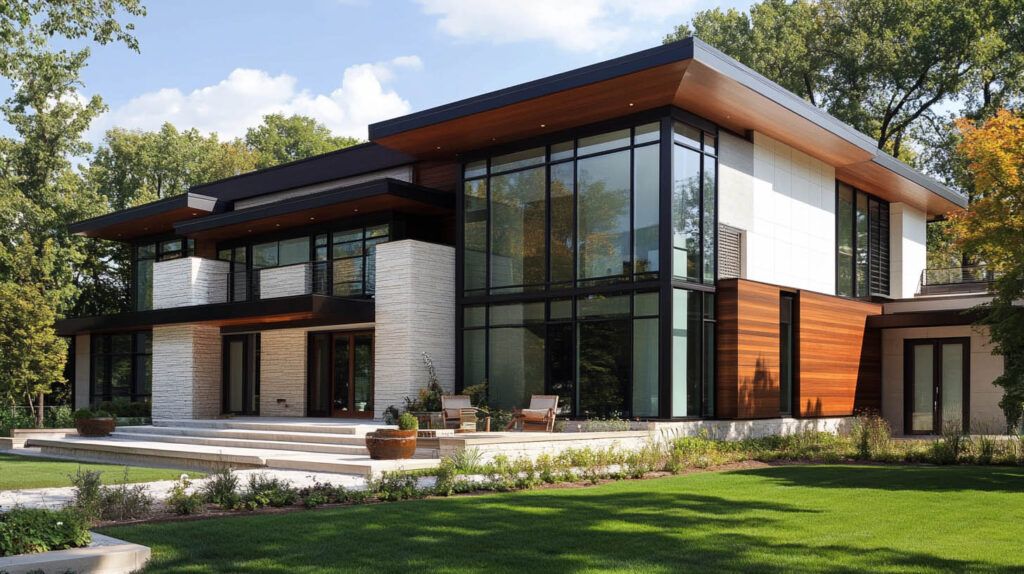
Modern two-story house with large glass windows, wood accents, and a manicured lawn under trees

Recycling and Energy Efficiency of Aluminum Siding

Aluminum siding is highly sustainable due to its recyclability and energy efficiency. The material is fully recyclable, promoting environmental responsibility. Recycling aluminum saves energy and reduces waste, making it an eco-friendly choice for siding. Additionally, aluminum is known for its ability to reflect sunlight, reducing energy consumption for cooling your home. Its energy efficiency can contribute to lower utility bills and a smaller carbon footprint, appealing to environmentally-conscious homeowners.


Trust the Experts

In assessing Fiber Cement vs. Metal Siding and Aluminum Siding, homeowners must consider factors like durability, maintenance, aesthetics, and environmental impact. Fiber cement siding excels in durability and design flexibility but may require more maintenance. Aluminum siding offers ease of installation and a vast color spectrum, with excellent recyclability. Ultimately, the choice between the two materials depends on individual priorities, budget constraints, and desired home aesthetic. Make an informed decision to enhance your home’s value and curb appeal with the perfect choice.


Frequently Asked Questions

Is fiber cement siding better than aluminum siding?

Fiber cement siding usually lasts longer and is tougher than aluminum siding. Both types need little care, but fiber cement better withstands dents, scratches, and fading.


Why is aluminum siding no longer used?

Aluminum siding is still being used, but it is less popular now. This is because there are better options available. People prefer more durable and nicer-looking choices like fiber cement and other new siding technologies.


What is the number one cause of problems with aluminum siding?

Dents and scratches are common issues with aluminum siding. These problems often happen because of hail, debris, strong winds, or high winds and accidents. Aluminum can resist corrosion, but if moisture gets behind the siding, it can cause other problems.

GET A FREE QUOTE

Share this article

Recent Posts

Aerial view of a large blue-gray house with dormer windows and a landscaped yard in autumn
By 180 Contractors May 14, 2026
Your roof works silently year after year, shielding your home from rain, wind, sun, and snow. But like every part of your home, it doesn’t last forever. The key is knowing when repair is no longer enough—and a full roof replacement is the smarter, safer move. For homeowners in Bloomfield Hills, MI, where intense season
Rainwater pouring from a house roof and gutter during a storm
By 180 Contractors April 13, 2026
Michigan weather can be tough on homes, especially when it comes to your roof. From heavy snow in the winter to strong thunderstorms in the summer, each season brings conditions that can wear down roofing materials over time. Knowing how these storms affect your roof can help you catch problems early and avoid more ser
Snow piled on a dark shingled roof, with scattered patches of snow across the surface.
By 180 Contractors March 3, 2026
If you’ve lived through a Michigan winter, you know your roof takes a beating. Between heavy snowfall, freezing rain, fluctuating temperatures, and strong winds, winter weather can quietly wear down even a well-built roofing system. By the time spring arrives, many homeowners are surprised to learn that damage has alre