Fiber Cement vs. Aluminum Siding: Which Is the Better Choice?
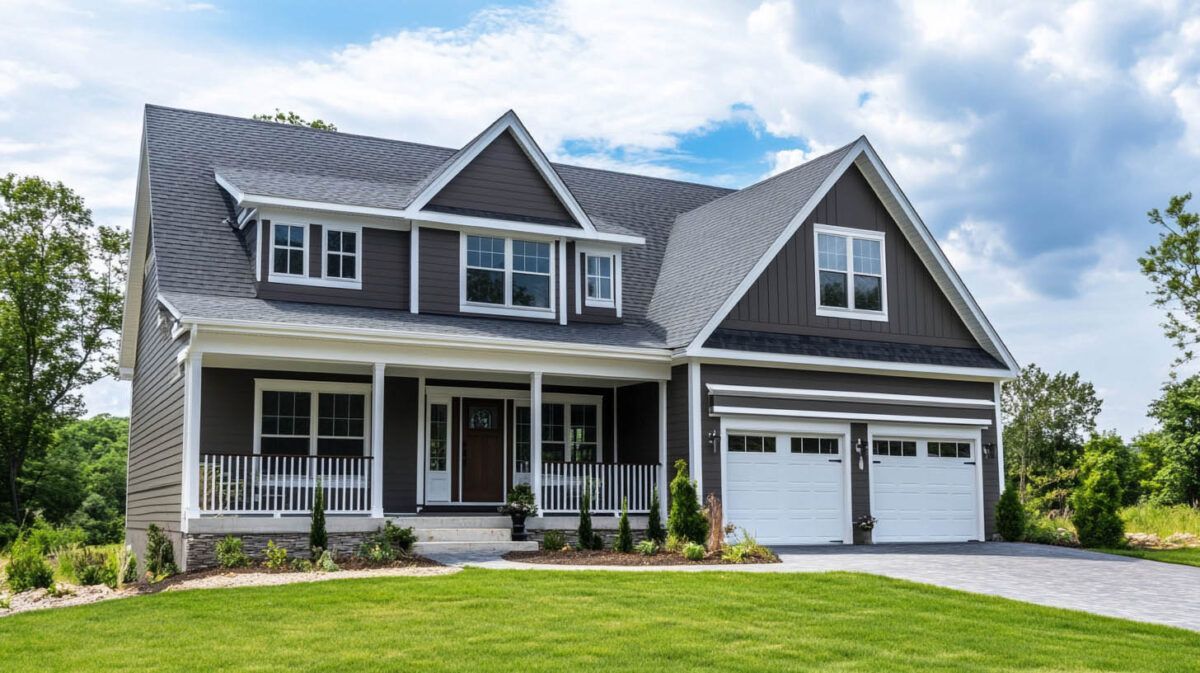
Choosing the right siding material is a crucial decision for homeowners looking to enhance curb appeal, improve durability, and maximize long-term value. Fiber cement and aluminum siding are two popular options, each offering distinct advantages. Below, we provide a detailed comparison of these materials based on performance, maintenance, aesthetics, and cost to help homeowners make an informed choice.
1. Durability and Weather Resistance
A home’s siding must withstand harsh weather conditions, including high winds, extreme temperatures, and moisture exposure.
Fiber Cement Siding: Built for Longevity
Fiber cement siding is a composite material made from cement, sand, and cellulose fibers. It is designed to resist:
- Moisture Damage – Unlike wood, fiber cement does not rot or absorb water.
- Extreme Temperatures – It remains stable in both hot and cold climates.
- Impact Resistance – Stronger than vinyl and aluminum, it withstands hail and flying debris.
- Pest Resistance – Termites and carpenter ants do not affect fiber cement.
Aluminum Siding: Resilient but Susceptible to Dents
Aluminum siding is a lightweight metal option that provides excellent resistance to rust and fire. However, it has some drawbacks:
- Prone to Dents – Hail, branches, and even minor impacts can leave noticeable dents.
- Noisy in Wind and Rain – Metal siding can rattle during storms, creating unwanted noise.
- Oxidation Over Time – Exposure to moisture can cause aluminum to develop a chalky residue.
Winner: Fiber Cement – Its superior impact resistance and moisture control make it the more durable option.
2. Maintenance and Upkeep
Homeowners prefer low-maintenance materials that require minimal repairs and cleaning.
Fiber Cement: Long-Lasting and Low-Maintenance
- Pre-Finished Color – Factory-applied paint lasts up to 15 years with minimal fading.
- Cleaning Requirements – A simple rinse once a year keeps it looking fresh.
- Caulking and Repainting – Requires repainting approximately every 15-20 years.
Aluminum: Minimal Upkeep but Prone to Scratches
- No Rot or Pest Issues – Unlike wood siding, aluminum does not require chemical treatments.
- Fades Over Time – Painted aluminum siding may need repainting every 10-15 years.
- Scratches Easily – Exposed metal can corrode, requiring touch-ups.
Winner: Aluminum – Slightly edges out fiber cement in terms of lower maintenance, but fiber cement remains highly manageable.
3. Aesthetic Appeal and Design Options
Siding significantly impacts a home’s curb appeal and resale value.
Fiber Cement: The Look of Real Wood Without the Drawbacks
- Authentic Wood Appearance – Fiber cement can be textured to mimic natural wood grain.
- Custom Color Choices – Available in hundreds of colors or can be painted to match any style.
- Various Styles – Options include lap siding, shingle-style panels, and board-and-batten.
Aluminum: Sleek but Less Customizable
- Modern and Contemporary – Best suited for minimalist or industrial-style homes.
- Limited Texture Options – Cannot fully replicate the natural warmth of wood.
- Fewer Color Choices – Factory finishes are available but require maintenance to retain vibrancy.
Winner: Fiber Cement – Provides more customization options and a more natural aesthetic.
4. Energy Efficiency and Insulation
A well-insulated home reduces energy costs and improves indoor comfort.
Fiber Cement: Works Well with Insulation
- Not a Standalone Insulator – Requires additional insulation to improve thermal efficiency.
- Energy Star Certified – When combined with proper sheathing and insulation, it enhances home efficiency.
Aluminum: Reflects Heat but Transfers Cold
- Good for Warm Climates – Reflects sunlight, reducing cooling costs in summer.
- Poor Cold Weather Performance – Conducts heat, making homes colder in winter.
- Insulated Aluminum Panels Available – Some products come with built-in insulation, but they cost more.
Winner: Fiber Cement – Performs better when paired with insulation, making it ideal for year-round efficiency.
5. Cost and Return on Investment
Siding replacement is a significant investment, and homeowners want the best value for their money.
Fiber Cement: Higher Upfront Cost, Long-Term Value
- Installation Cost – $6 to $12 per square foot (including materials and labor).
- Lifespan – Typically lasts 50+ years with proper maintenance.
- Resale Value – Offers one of the highest returns on investment (ROI) for home improvement projects.
Aluminum: Budget-Friendly but Less Durable
- Installation Cost – $3 to $7 per square foot.
- Lifespan – Lasts 20-40 years but may require frequent repairs.
- Lower ROI – Not as desirable to homebuyers as fiber cement.
Winner: Fiber Cement – Although more expensive upfront, it provides better durability and ROI.
6. Fire Resistance and Safety
Fire resistance is a critical factor, particularly in wildfire-prone regions.
Fiber Cement: Completely Non-Combustible
- Rated as a Class A Fire-Resistant Material – Does not ignite or spread flames.
- Preferred for Fire-Prone Areas – Meets strict fire safety codes.
Aluminum: Fireproof but Melts Under Extreme Heat
- Does Not Burn – Aluminum will not catch fire, but it can warp at high temperatures.
- Potential Smoke Damage – Burning nearby materials can cause discoloration.
Winner: Fiber Cement – Provides superior fire resistance without risk of melting.
Choosing the Right Siding for Your Home
When selecting between fiber cement and aluminum siding, homeowners should consider climate, maintenance preferences, budget, and aesthetic goals.
| Feature | Fiber Cement Siding | Aluminum Siding |
|---|---|---|
| Durability | 50+ years, highly impact-resistant | 30-40 years, prone to dents |
| Maintenance | Low-maintenance, requires repainting every 15-20 years | Low-maintenance, but paint fades faster |
| Aesthetic Appeal | Mimics wood, customizable textures and colors | Modern, metallic look, limited textures |
| Energy Efficiency | Works well with added insulation | Reflects heat, but not ideal for cold climates |
| Fire Resistance | Non-combustible, Class A fire rating | Fire-resistant, but melts at extreme heat |
| Cost | Higher upfront, better long-term value | Lower cost, but less durable |
For homeowners in Waterford, MI, 180 Contractors Roofing & Siding provides expert siding installation backed by industry-leading certifications and trusted materials.
Our Certifications:
- BBB A+ Accredited – Recognized for service excellence.
- Guildmaster (GuildQuality) – Highly rated for customer satisfaction.
- INC 5000 – Ranked among the fastest-growing companies.
- Google Guaranteed – Verified for quality craftsmanship.
- Qualified Remodeler Top 100 Satisfaction – Recognized for superior customer service.
Our Trusted Brands:
- James Hardie – The top choice for fiber cement siding.
- Alside – High-quality aluminum and vinyl siding options.
- Everlast – Durable and low-maintenance siding products.
Frequently Asked Questions (FAQs)
1. Which siding is better for coastal homes?
Aluminum siding resists salt corrosion, making it a good option for coastal areas. However, fiber cement provides better durability against wind and storm damage.
2. Can fiber cement siding be painted?
Yes, fiber cement siding can be painted and holds color well for 15-20 years before needing repainting.
3. Does aluminum siding rust?
No, aluminum does not rust, but it can oxidize over time, leading to a chalky appearance.
4. Is fiber cement siding environmentally friendly?
Yes, fiber cement is made from sustainable materials and does not contain harmful chemicals or plastics.
5. Which siding has the highest return on investment?
Fiber cement siding offers one of the best ROIs in home improvement, making it a top choice for resale value.
Conclusion
Both fiber cement and aluminum siding have unique advantages, but fiber cement outperforms aluminum in terms of durability, curb appeal, and long-term investment. For homeowners seeking a low-maintenance, energy-efficient, and aesthetically versatile siding option, fiber cement is the superior choice.
Read also our blog:
How Long Does It Take to Install New Siding?
GET A FREE QUOTE
We will get back to you as soon as possible.
Please try again later.
Recent Posts