Hardie Board vs. Cedar Siding: Which is the Better Choice?
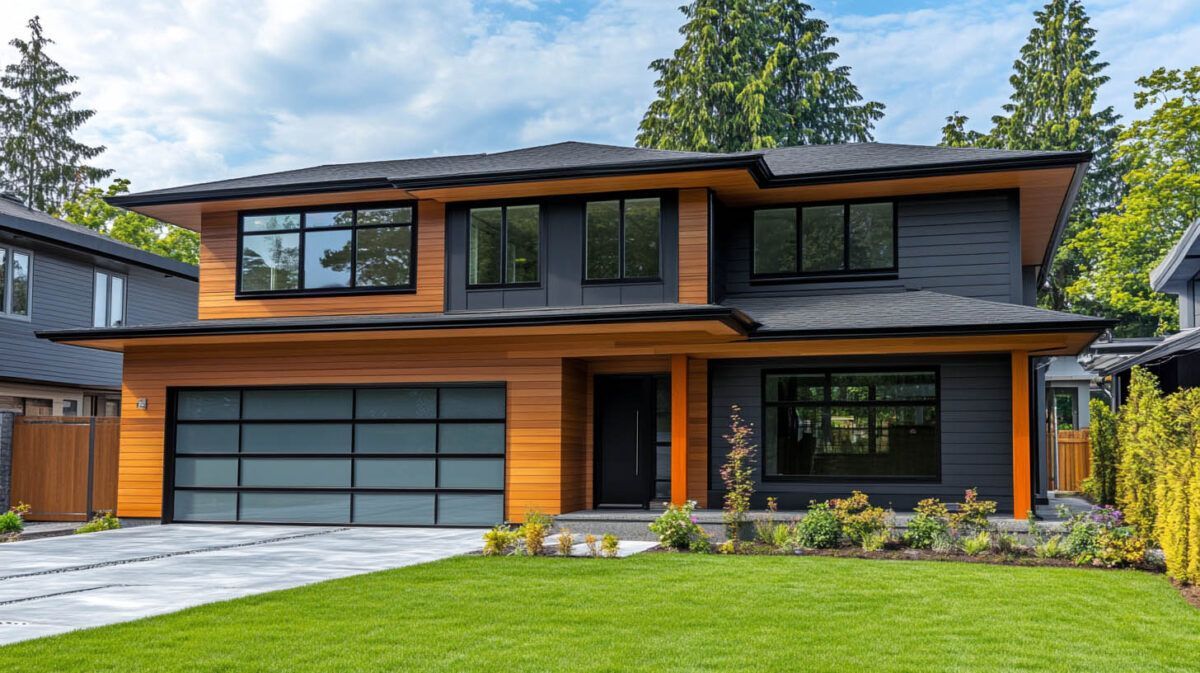
Introduction to Choosing the Right Siding
Siding plays a crucial role in protecting a home from the elements while enhancing its curb appeal and energy efficiency. Among the most popular siding options, Hardie Board (fiber cement) and cedar wood siding stand out for their durability and aesthetic appeal. Both materials have distinct advantages and drawbacks, making it essential to understand their long-term value before making a decision.
Material Composition and Properties
Cedar Siding
Cedar siding is crafted from natural wood, typically Western Red Cedar or White Cedar, known for their natural resistance to decay and insects. Homeowners favor cedar for its traditional look and warm, organic aesthetic. It can be installed as shingles, shakes, lap siding, or board-and-batten styles to match different architectural designs.
Key Features
- Naturally resistant to insects and decay.
- Can be stained or painted to achieve various finishes.
- Biodegradable and environmentally friendly.
Hardie Board (Fiber Cement Siding)
Hardie Board is a fiber cement siding composed of Portland cement, sand, water, and cellulose fibers. It is engineered to withstand extreme weather conditions and requires less maintenance than natural wood. James Hardie, the industry leader in fiber cement siding, offers pre-colored boards (ColorPlus® Technology) that maintain their vibrancy for years.
Key Features
- Fire-resistant and noncombustible, reducing home fire risks.
- Pest-resistant, preventing damage from termites and woodpeckers.
- Designed to mimic the look of real wood without the maintenance requirements.
Aesthetic Appeal and Customization
Cedar Siding
Cedar offers an authentic, textured wood grain that enhances traditional, rustic, and historical homes. It can be customized with different stains and finishes, allowing homeowners to adjust the color over time.
Considerations
- Requires frequent staining or painting to maintain its appearance.
- Natural wood tones give a warm, classic look.
- Pairs well with Victorian, Craftsman, and Colonial architectural styles.
Hardie Board Siding
Hardie Board can replicate the look of wood, stone, or smooth modern finishes. It is available in various styles, including lap siding, vertical panels, and shakes, making it a versatile choice for both traditional and contemporary homes.
Considerations
- ColorPlus® Technology ensures long-lasting color without frequent repainting.
- Offers a modern, clean look with precise edges.
- Compatible with both classic and modern architectural designs.
Durability and Weather Resistance
| Feature | Cedar Siding | Hardie Board (Fiber Cement) |
|---|---|---|
| Lifespan | 20-30 years with maintenance | 50+ years with minimal maintenance |
| Moisture Resistance | Prone to rot if not properly maintained | Highly resistant to moisture damage |
| Fire Resistance | Flammable unless treated with fire retardant | Noncombustible, does not contribute to fire spread |
| Pest Resistance | Vulnerable to termites, carpenter ants, and woodpeckers | Resistant to all pests |
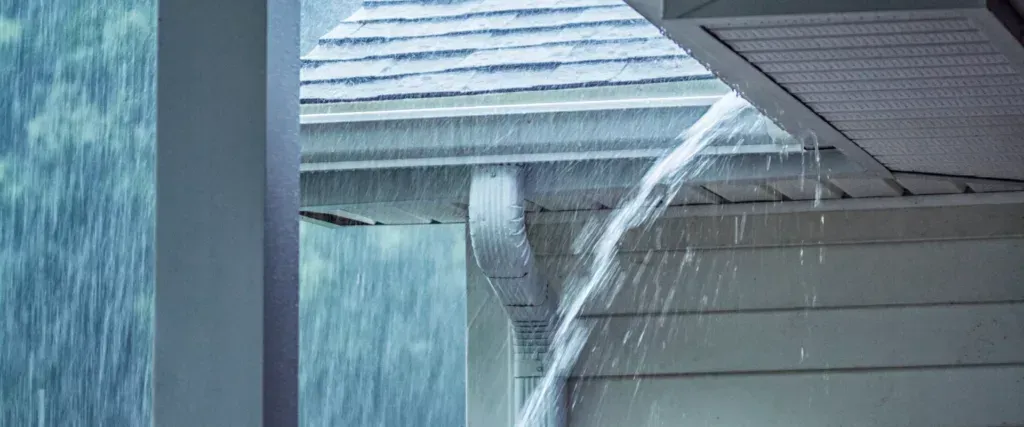
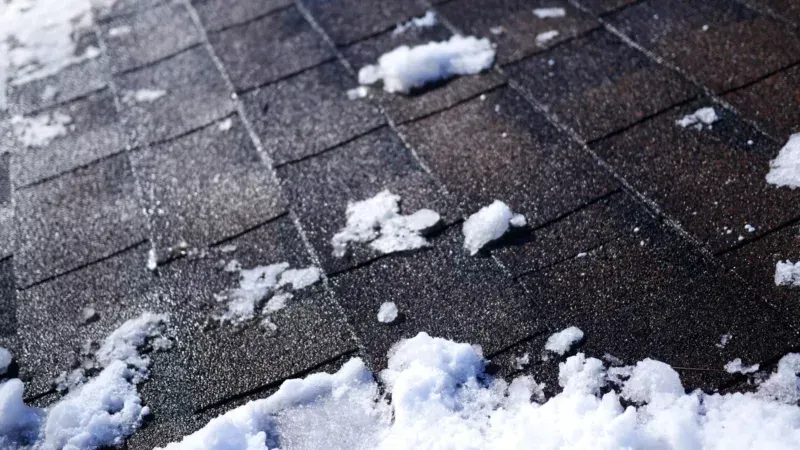
| Weather Durability | Can warp or crack in extreme weather | Withstands heavy rain, snow, and wind |
Hardie Board siding offers superior long-term durability and weather protection, making it the better choice for homes in humid, rainy, or wildfire-prone areas. Cedar siding, while naturally durable, is more susceptible to moisture-related issues if not consistently maintained.
Maintenance Requirements
Cedar Siding
Cedar siding requires regular maintenance to prevent rot, decay, and insect infestations. It must be re-stained or repainted every 3-5 years to protect against moisture and UV damage.
Maintenance Needs
- Frequent sealing, staining, or painting to prevent fading and warping.
- Regular inspections for rot, mold, and insect damage.
- Requires proper ventilation to reduce trapped moisture.
Hardie Board Siding
Hardie Board requires minimal maintenance, making it an ideal choice for homeowners looking for a low-maintenance exterior. It only needs occasional cleaning with mild soap and water.
Maintenance Needs
- No repainting needed for at least 15 years with ColorPlus® Technology.
- Resistant to mold, rot, and pests, reducing the need for inspections.
- Simple cleaning with a hose or mild detergent once a year.
Energy Efficiency and Insulation
Cedar siding offers natural insulation, helping to regulate indoor temperatures and improve energy efficiency. Hardie Board, while not inherently insulating, can be paired with insulated backing for enhanced thermal performance.
| Feature | Cedar Siding | Hardie Board Siding |
|---|---|---|
| Energy Efficiency | Naturally insulating | Requires added insulation |
| Soundproofing | Absorbs outdoor noise | Provides moderate soundproofing |
| UV Resistance | Can fade over time | UV-resistant with ColorPlus® Technology |
Cost and Return on Investment
Cedar Siding Costs
Cedar siding is a premium wood product, making it one of the more expensive siding options. Homeowners should budget for $5 to $10 per square foot, with additional costs for staining, sealing, and ongoing maintenance.
Hardie Board Siding Costs
Hardie Board siding typically costs $3 to $6 per square foot, making it a more affordable long-term option when factoring in maintenance savings. Its high resale value makes it a strong investment for homeowners planning to sell in the future.
Fire and Safety Considerations
Cedar Siding
Natural wood is flammable, requiring fire-retardant treatments to meet building safety codes in fire-prone areas. Homeowners in regions with wildfire risks should reconsider using wood-based siding.
Hardie Board Siding
Hardie Board is noncombustible, meaning it does not ignite or contribute to fires. Many insurance companies offer discounts for homes with fiber cement siding due to its superior fire resistance.
Environmental Impact
Both cedar and Hardie Board are considered eco-friendly siding options but differ in sustainability factors.
- Cedar siding is biodegradable, renewable, and recyclable, making it an excellent natural choice.
- Hardie Board is made from sustainable materials and lasts longer, reducing the need for replacement and minimizing landfill waste.
Which Siding is Best for Your Home?
| Feature | Best Choice |
|---|---|
| Long-Term Durability | Hardie Board |
| Low Maintenance | Hardie Board |
| Classic, Natural Look | Cedar |
| Fire Resistance | Hardie Board |
| Pest and Moisture Resistance | Hardie Board |
| High Customization | Cedar |
For homeowners who prioritize low maintenance, fire resistance, and long-term durability, Hardie Board is the superior choice. For those who prefer the natural charm of real wood and are willing to invest in maintenance, cedar siding remains a timeless option.
Work with a Trusted Siding Contractor
Choosing the right siding is only half the battle—proper installation ensures lasting performance. 180 Contractors Roofing & Siding, located in Waterford, MI, provides expert siding services backed by BBB A+ accreditation, Guildmaster (Guildquality), INC 5000 recognition, Google Guaranteed certification, and Qualified Remodeler Top 100 Satisfaction. We work with trusted brands such as James Hardie, Alside, and Everlast to deliver top-tier craftsmanship and durable siding solutions.
Frequently Asked Questions (FAQs)
How long does cedar siding last?
With proper maintenance, cedar siding can last 20-30 years but requires regular staining and sealing.
Is Hardie Board more expensive than cedar siding?
While Hardie Board has lower upfront costs, cedar siding incurs higher maintenance and replacement expenses over time.
Does Hardie Board require painting?
Hardie Board with ColorPlus® Technology retains color for up to 15 years, while primed versions require repainting every 10-15 years.
Which siding is better for cold climates?
Hardie Board is better suited for extreme weather conditions, as cedar can warp and crack in freezing temperatures.
Conclusion
Both Hardie Board and cedar siding offer unique advantages, but for most homeowners, Hardie Board provides the best combination of durability, fire resistance, low maintenance, and long-term value.
Read also our blog:
How to Know When It’s Time to Replace Your Siding
GET A FREE QUOTE
We will get back to you as soon as possible.
Please try again later.
Recent Posts