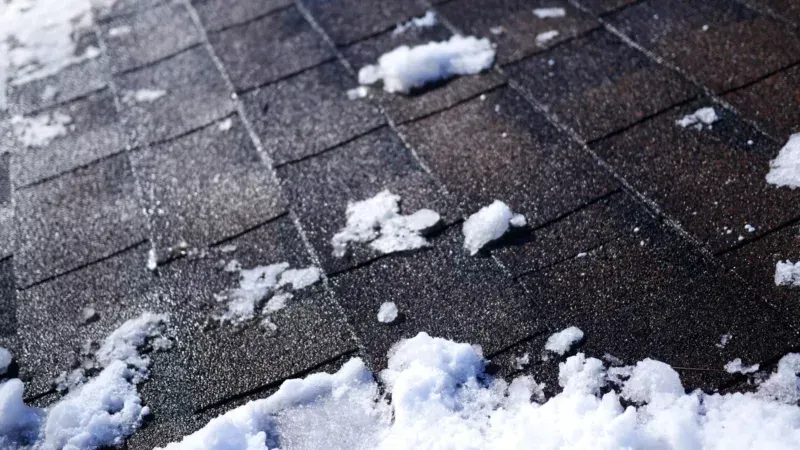
Choosing the right siding for a home is about more than aesthetics. It’s about durability, protection, and performance in specific climates. The HardieZone® System is designed to address the challenges posed by different weather conditions, ensuring that homes receive siding tailored to their environment.
How the HardieZone System Works
James Hardie’s HardieZone System categorizes climate conditions across North America into two primary zones:
- HZ5® Zone: Designed for regions with freezing temperatures, snow, ice, and extreme seasonal variations.
- HZ10® Zone:
Built for hot, humid climates that experience hurricanes, salt air, and extreme UV exposure.
By tailoring fiber cement siding to these two major climate zones, homeowners receive a product optimized for the specific challenges their homes face year-round.
HZ5 Siding: Built for Cold and Moisture
1. Resistance to Freezing and Thawing
Winter weather can be brutal on siding materials. Wood expands and contracts, leading to warping and cracking. Vinyl can become brittle and crack in extreme cold. HZ5 siding is engineered to withstand freezing temperatures, preventing cracking and moisture penetration.
2. Moisture and Snow Protection
In colder climates, snow and ice accumulation can lead to water infiltration, causing mold and structural damage. HZ5 siding is treated with a proprietary surface that repels moisture, reducing the risk of mold growth and ensuring long-term durability.
3. Wind and Storm Resistance
High winds, hail, and ice storms can cause damage to traditional siding materials. HZ5 siding is designed to withstand severe winter weather conditions, making it an ideal choice for homeowners in northern regions.
HZ10 Siding: Engineered for Heat and Humidity
1. Protection Against Sun and UV Damage
Prolonged sun exposure can fade and degrade traditional siding materials. HZ10 siding incorporates UV-resistant technology to maintain color vibrancy and structural integrity even in extreme heat.
2. Resistance to Humidity and Mold Growth
High humidity can lead to mold, mildew, and wood rot in traditional siding. HZ10 siding is formulated to resist moisture absorption, preventing decay and maintaining durability in coastal and humid environments.
3. Hurricane and High-Wind Resistance
Homes in hurricane-prone areas require siding that can endure high winds and storm surges. HZ10 siding is built to resist warping, cracking, and water infiltration even in the most severe conditions.
Advantages of the HardieZone System Over Other Siding Materials
1. Fiber Cement vs. Vinyl
- Durability:
Vinyl siding is prone to cracking in extreme temperatures, while fiber cement remains intact.
- Fire Resistance:
Vinyl melts under high heat; fiber cement is non-combustible.
- Weather Protection: Fiber cement withstands high winds, while vinyl is susceptible to wind damage.
2. Fiber Cement vs. Wood
- Moisture Resistance:
Wood absorbs water, leading to rot; fiber cement repels moisture.
- Pest Protection: Wood is vulnerable to termites and insects; fiber cement is pest-resistant.
- Maintenance:
Wood requires regular staining and sealing; fiber cement has minimal upkeep.
3. Fiber Cement vs. Engineered Wood
- Longevity: Fiber cement lasts 30 to 50 years, while engineered wood has a shorter lifespan.
- Heat Resistance:
Fiber cement is non-combustible, while engineered wood can be vulnerable to fire.
- Cost-Effectiveness: Although engineered wood is cheaper upfront, fiber cement offers long-term savings due to its durability.
Key Considerations for Installing HardieZone Siding
1. Proper Installation Techniques
Professional installation is critical to ensure that the siding performs as expected. Improper installation can lead to gaps, water infiltration, and premature failure. Hiring experienced contractors ensures optimal results.
2. Sealing and Finishing
Pre-finished HardieZone siding comes in a variety of colors with baked-on paint for long-lasting color retention. Homeowners can also choose custom painting options to match their design preferences.
3. Maintenance Requirements
Although fiber cement siding is low maintenance, periodic inspections and cleanings help maintain its appearance and performance. Checking for minor cracks or paint touch-ups extends the lifespan of the siding.
The Importance of Choosing the Right Siding Contractor
Working with a reputable siding contractor ensures proper installation and long-term performance. 180 Contractors Roofing & Siding, located in Troy, MI, has earned a reputation for high-quality workmanship and exceptional customer service.
Our Certifications:
- BBB A+ Accredited:
A mark of trust and quality.
- Guildmaster (GuildQuality): Recognized for customer satisfaction.
- INC 5000:
Ranked among the fastest-growing companies.
- Google Guaranteed: Verified for high-quality service.
- Qualified Remodeler Top 100 Satisfaction:
Acknowledged for excellence in the industry.
Frequently Asked Questions
1. How long does HardieZone siding last?
HardieZone siding has a lifespan of 30 to 50 years with proper maintenance.
2. Can HardieZone siding be installed in cold weather?
Yes, it can be installed in winter as long as manufacturer guidelines are followed.
3. Does HardieZone siding require repainting?
Pre-finished options last up to 15 years before needing a fresh coat of paint.
4. Is HardieZone siding environmentally friendly?
Yes, it is made from sustainable materials and does not emit harmful chemicals.
5. How does HardieZone compare to traditional fiber cement siding?
HardieZone siding is specifically engineered for climate conditions, offering better performance than generic fiber cement options.
Conclusion
The HardieZone System provides homeowners with climate-specific siding solutions that enhance durability, energy efficiency, and aesthetic appeal. By selecting the right siding for their region, homeowners can ensure long-term protection and lower maintenance costs. With superior performance over other materials, HardieZone siding is an investment in both durability and curb appeal.
Read also our blog:
Why Winter Is the Best Time to Upgrade to Fiber Cement Siding