After a severe storm sweeps through Waterford, MI, your roof may have sustained damage you can’t see from the ground. Strong winds, heavy rain, and hail can silently compromise your roofing system, setting the stage for leaks, insulation problems, or even structural issues. The key to avoiding costly repairs lies in early detection—and knowing exactly what to look for.
At
180 Contractors Roofing & Siding, we believe in empowering homeowners to spot red flags before they escalate. This checklist will walk you through the essential steps for identifying storm-related roof damage and help you determine when it’s time to bring in the pros.
Step 1: Start with a Visual Ground Inspection
Before climbing anything, begin with a ground-level inspection. Walk around your home and look for:
- Shingles on the ground
- Pieces of metal flashing or roofing nails
- Granules from shingles collecting near downspouts
- Fallen branches or debris on your roof
While this won’t give you a complete picture, it’s a fast and safe way to catch obvious signs of storm damage.
Step 2: Inspect the Attic for Interior Warning Signs
Don’t forget what’s happening inside. After a storm, your attic can show the first signs of trouble:
- Damp insulation
- Water stains on rafters or decking
- Musty odors or mold growth
- Light seeping through roof boards
If moisture enters the attic, it may not be long before it seeps into ceilings and walls—causing far more expensive damage.
Step 3: Examine Gutters and Downspouts
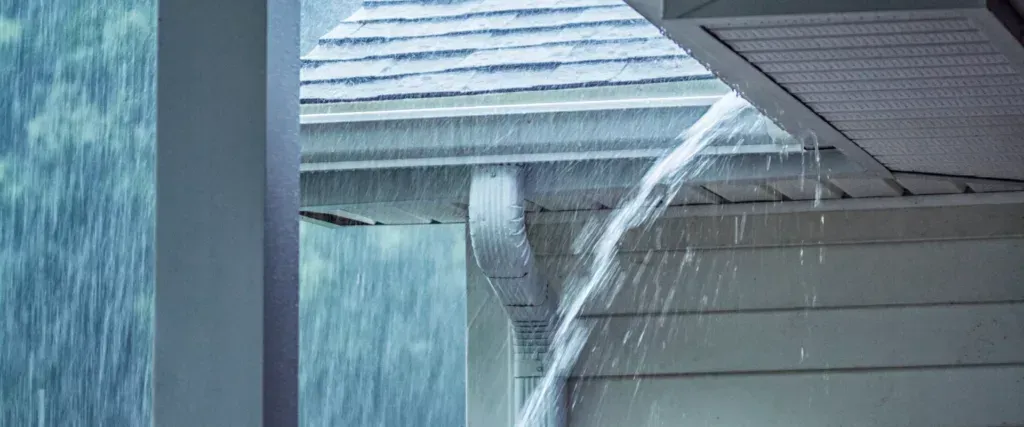
Your gutters play a crucial role in moving water off your roof. After a storm, check them for:
- Dents or separation from the roofline
- Blockages from branches or asphalt granules
- Loose or broken fasteners
An overloaded or damaged gutter system can lead to water backing up under shingles or spilling onto siding and foundation areas.
Step 4: Look for Subtle Shingle Damage
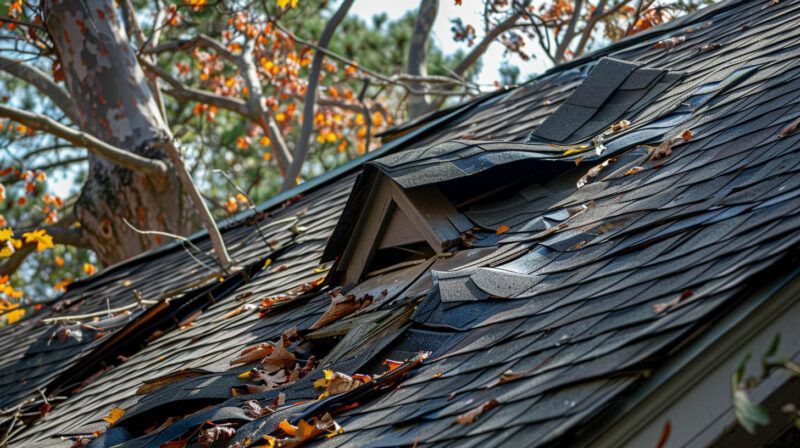
Storm damage doesn’t always mean missing shingles. Sometimes, the damage is more discreet:
- Bruised shingles from hail, which may feel soft like a thumbprint
- Cracked or curled edges from strong wind uplift
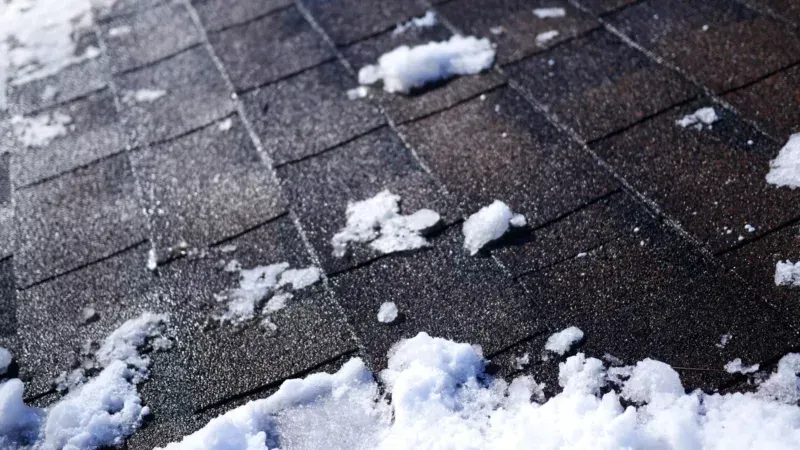
- Granule loss, making shingles appear shiny or bare
- Shingles lifted or flapping, indicating broken adhesive seals
These issues can allow water to infiltrate even if they’re not immediately visible from inside the home.
Step 5: Don’t Overlook Roof Components
Chimneys, skylights, vents, and flashing are all vulnerable during storms. Check to see if:
- Flashing has pulled away or shows signs of corrosion
- Vent covers are cracked or missing
- Skylights are leaking or fogging
- Chimneys have loose bricks or cracked crowns
Any of these can become entry points for water during the next storm.
Step 6: Document and Photograph Everything
If you find evidence of storm damage, take clear photos of every issue. These will be useful for filing insurance claims and getting an accurate repair estimate. Try to capture both close-up and wide-angle shots for context.
When to Call the Professionals
While it’s helpful to know what to look for, many signs of storm-related damage are not visible to the untrained eye. A professional inspection provides a more detailed assessment using tools like drones and moisture sensors to find hidden leaks or weaknesses.
Partnering with a reputable contractor like 180 Contractors Roofing & Siding ensures you get an honest evaluation and expert repair recommendations tailored to Michigan’s climate.
The Value of Certified Roofing Products
When repairs or replacements are needed, choosing durable materials is critical. We proudly work with Owens Corning—a trusted name in roofing that offers high-performance shingles specifically engineered for weather resilience.
These products are tested to withstand wind, hail, and moisture while offering long-term protection and energy efficiency.
Don’t Wait—Act Fast After the Storm
Storm damage is time-sensitive. The longer you wait, the more likely it is that water will find its way into your attic, walls, or ceilings. Taking immediate action ensures your insurance claim is timely, your home is safe, and your repair costs remain manageable.
Conducting this checklist after every major storm—and scheduling a professional inspection at least once a year—will help you maintain your home’s structural integrity and protect your investment for years to come.
Read also our blog:
How Modern Roofing Tech Improves Safety and Performance