Horizontal vs. Vertical Siding: Which Style Suits Your Home Best
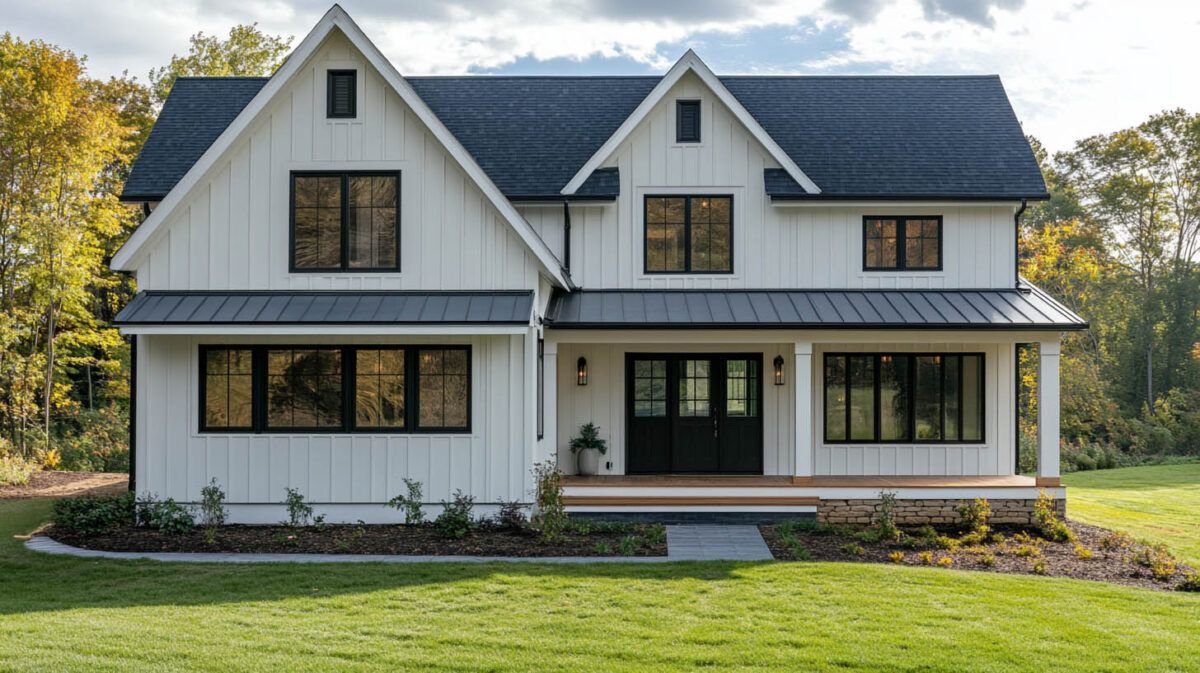
When you want to make your home look good and protect it from weather, choosing the right material is important. There are many options, but horizontal and vertical siding are two popular choices. How can you decide which style is best for your home? This guide will help you understand horizontal and vertical siding. It will help you make an informed decision that matches your home’s design and shows your style. If you’re looking for expert installation services in Rochester Hills, MI, consider our company 180 Contractors Roofing & Siding.
Understanding the Basics of Siding
Siding acts as a shield for your home. It protects the inside from outside weather like rain, wind, snow, and strong sun.
Besides its protection, siding also affects how your home looks. You can choose classic horizontal styles or trendy vertical designs. The material you pick can change your home’s aesthetic appeal and even its value.
Home Protection and Aesthetics
Siding acts as a protective shield for your home, preventing costly weather-related damage and reducing energy consumption. It also enhances curb appeal and influences the overall aesthetics of your home. Choose between traditional horizontal siding or modern vertical siding to reflect your style and elevate your home’s appearance.
Horizontal siding offers a classic look, with boards placed across home walls, evoking cozy cottages and grand Colonial houses. On the other hand, vertical siding provides a modern and unique appearance using vertical boards that create a taller and striking look, suited for contemporary designs. When selecting a style, consider factors like your home’s architecture, personal taste, and budget. Both horizontal and vertical siding offer aesthetic benefits, so take time to choose the one that aligns best with your vision.
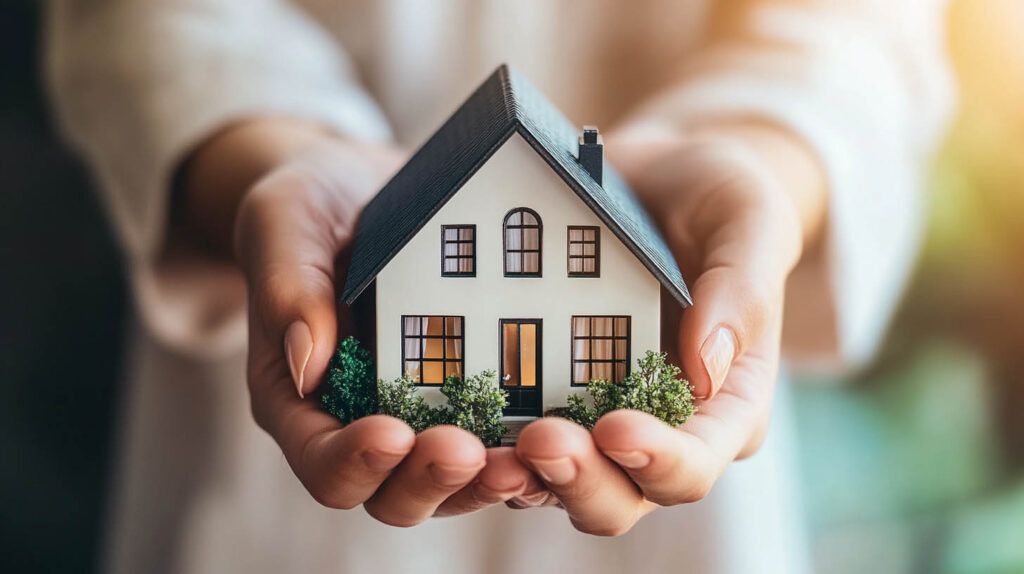
The Signature Styles
Knowing the differences between horizontal and vertical siding styles is important for choosing what’s right for your home. Let’s explore what makes each style unique.
You can choose from classic lap siding to trendy modern options. There is a style that will match your taste and fit well with the design of your home.
Characteristics of Horizontal Siding
Horizontal siding, like lap material, is popular for its traditional appearance and compatibility with various home styles. Its long overlapping boards provide a timeless look and effective water protection.
The smooth lines of horizontal siding create a classic appeal, adding organization and tradition to your home. Other styles such as Dutch lap and beaded siding offer unique textures, depth, and character to your design.
Defining Features of Vertical Siding
Vertical siding provides a modern look desired in today’s buildings. The straight lines create a sense of height and make a bold statement, distinct from horizontal styles.
Board and batten siding is a popular vertical type. Wide vertical boards are complemented by narrow battens covering the seams for a striking, rustic appearance.
This siding style highlights architectural features like peaks, gables, and entryways, adding visual interest and a unique modern touch to your home.
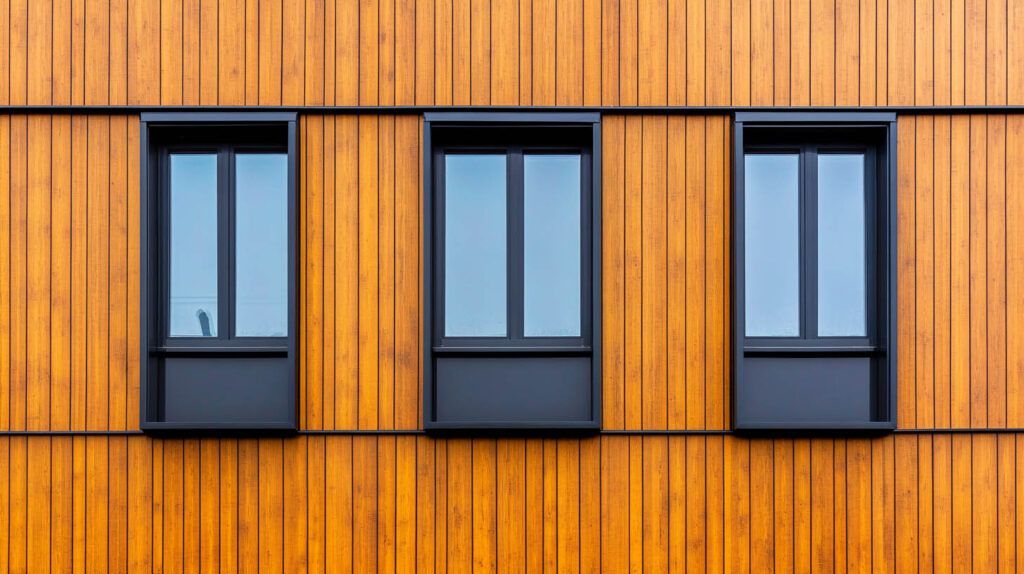
Material Matters: Options for Your Home
You can use different materials for both vertical and horizontal siding styles. Each type has its own benefits in durability, upkeep, and appearance.
Let’s look at some common choices to find the best match for your home.
- Wood: This classic option brings natural warmth and charm. Available in cedar, pine, or redwood, it can be stained or painted for a customized look. Regular maintenance like repainting and resealing is necessary to protect it from the elements.
- Fiber Cement: Made from cement, sand, and cellulose fibers, this option resembles natural materials while being durable. It resists rot, insects, fire, and moisture, making it low-maintenance and long-lasting.
- Vinyl: Known for easy maintenance and affordability, vinyl siding comes in various colors and styles resembling wood. It resists rot, insects, and moisture, offering a practical and budget-friendly choice.
Vertical Siding Material Choices and Advantages
Vertical siding offers flexibility and a variety of material choices, including:
- Fiber Cement: Strong, low-maintenance, and customizable with different finishes.
- Wood: Provides a warm, natural look and various options such as cedar.
- Other Materials: Options like vinyl, metal, and composite offer affordability, durability, and eco-friendliness.
Aesthetic Appeal and Your Home’s Architecture
Your home’s design is very important in deciding if horizontal or vertical siding will make it look better.
Let’s take a closer look at how each siding style works with different types of home designs.
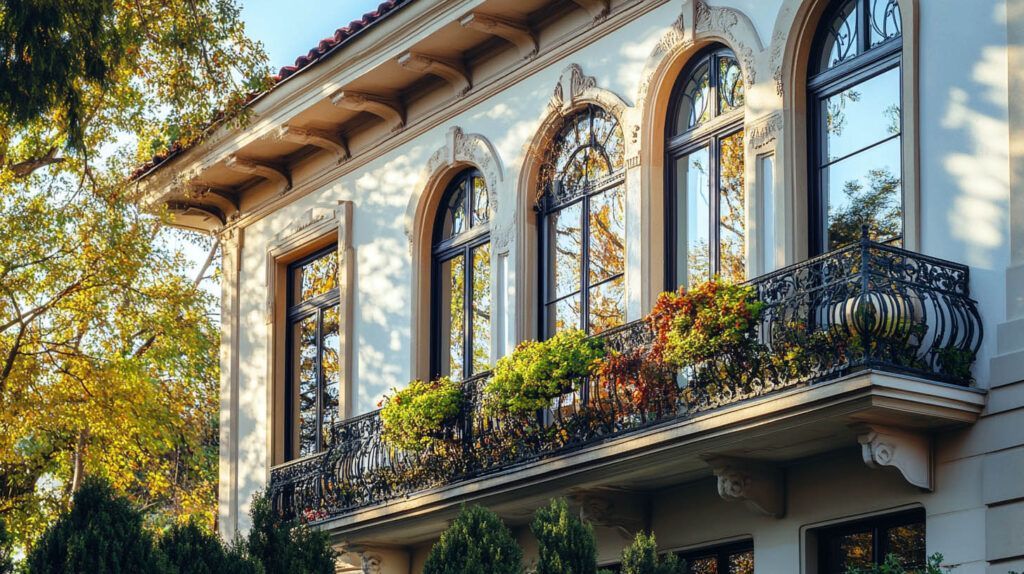
How Horizontal Siding Enhances Home Design
Traditional horizontal siding is a popular choice for various buildings, offering a classic look that complements different designs. It highlights horizontal lines for balance and harmony, fitting well with cozy cottages.
For modern homes, clean-lined lap siding in bold colors creates a strong impression. Mixing materials such as stone or brick adds depth to modern designs. Its flexibility and adaptability make it a timeless option that enhances the look of many homes across different styles and trends.
The Visual Impact of Vertical Siding on Different Architectural Styles
Vertical siding enhances various architectural styles, particularly modern designs, by creating a taller appearance and drawing attention to key features like tall windows and gables. It can also complement traditional styles such as Cape Cod and farmhouse, adding rustic charm and visual interest.
Strategically placing vertical siding on specific areas of your home, such as gables or bumped-out sections, can break up horizontal lines and enhance the overall appeal of the architecture. Choosing suitable materials, colors, and locations that complement your home’s style is crucial for achieving an attractive exterior look with vertical siding.
Performance and Durability Compared
It’s important to think about how well your works and how long it lasts, not just how it looks.
When you have horizontal or vertical siding installed and taken care of properly, it protects your home from weather. This keeps your house safe and comfortable for many years.
Weather Resistance and Maintenance Needs of Horizontal Siding
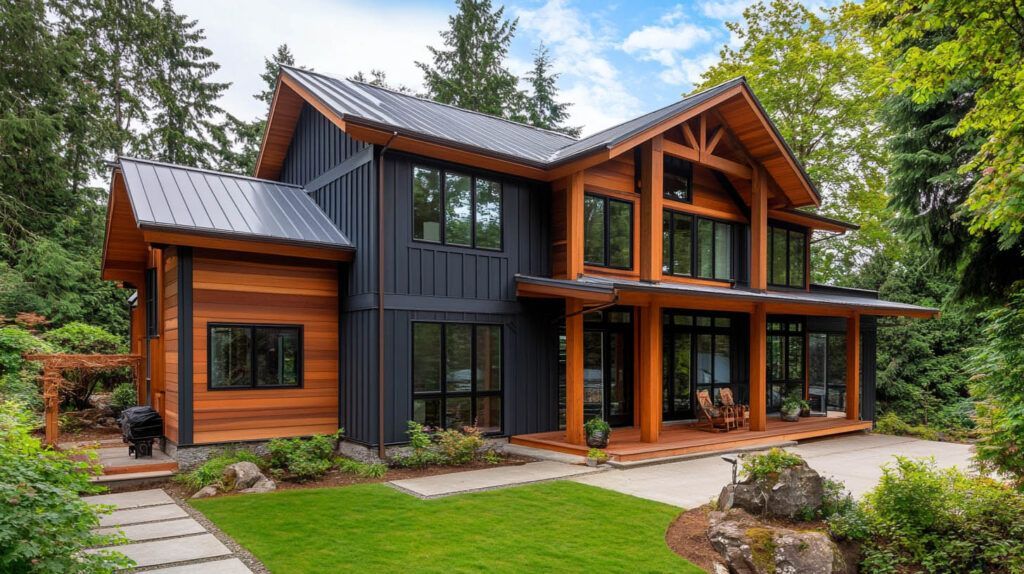
Horizontal siding offers decent weather resistance with its overlapping design, minimizing water infiltration and protecting your home from the elements. Proper installation is crucial to enhance its durability and prevent issues like wood rot. While horizontal siding typically requires regular maintenance such as cleaning and repainting, newer materials like fiber cement siding reduce maintenance needs. Keeping horizontal ridges clear of debris is vital to prevent water damage and maintain the integrity. Consider the climate of your area and the maintenance you are willing to commit to when deciding if horizontal siding is the right choice for your home.
Longevity and Care Requirements for Vertical Siding
Vertical siding offers excellent longevity and durability. It can withstand harsh weather conditions better than horizontal siding, with minimal maintenance required. The vertical design helps shed water efficiently, contributing to its longevity. Regular inspections and occasional cleaning are recommended to maintain its visual appeal. Periodic repainting or resealing may be necessary for protection against external elements. Overall, vertical siding is a practical choice for homeowners looking for a long-lasting and visually appealing option.
Installation Insights
It is important to understand the installation process for both horizontal and vertical siding. This includes possible challenges and costs involved. While you can install it yourself, it is usually better to hire skilled professionals to get the best results.
Now, let’s look at the main factors for each installation.
What to Expect When Installing Horizontal Siding
During horizontal siding installation, enjoy a straightforward process due to its easy installation. The classic charm of horizontal lap siding adds elegance to your home’s exterior. Horizontal siding is quicker to install than vertical siding, making it ideal for residential homes. Maintenance is manageable, with proper installation helping prevent wood rot. Choose horizontal siding for a timeless look with horizontal ridges that complement your home’s style and personal preference. Ensure the siding aligns with your property’s architecture for a visually appealing design that requires minimal maintenance.
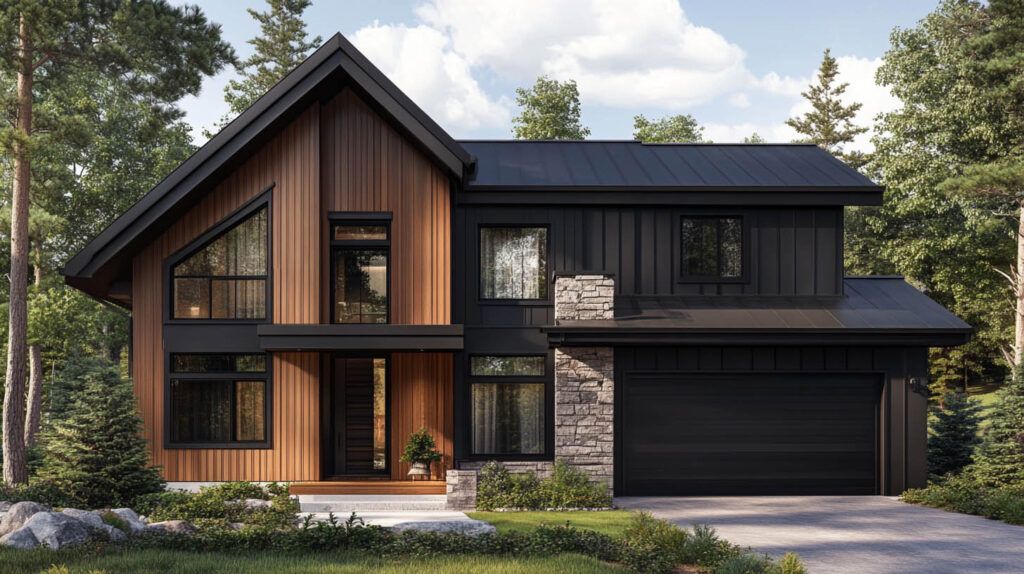
When choosing vertical siding, consider your home’s design for a unique and modern look. Vertical planks are low maintenance and enhance curb appeal. Proper installation is key to prevent damage. Vertical siding blends classic charm with a contemporary touch, making it a great choice for your home’s exterior.
Cost Analysis: Budgeting for Your Project
When planning budget for your project, you need to think about a few things. This includes the type of material, how complex the installation is, and labor costs. It’s a good idea to get quotes from different reliable contractors. This will help you compare prices and get the best deal.
Cost is important, but it’s also key to pick a siding that matches your style. You want it to last a long time and be good for your home.
Cost is a key factor in deciding on horizontal installation. Factors like material choice, such as fiber cement or James Hardie siding, affect costs. Installation ease and maintenance also impact pricing. Labor costs, project size, design needs, and extras like furring strips can add to expenses. Proper installation is crucial for long-lasting material.
Estimating the Investment for Vertical Siding
When installing vertical siding, consider the costs involved. It falls within a moderate to high price range due to its unique appeal and installation intricacies. Material choice, like fiber cement or James Hardie siding, impacts costs. Partnering with top brands like James Hardie, Alside, and Everlast allows us to offer quality products that enhance the aesthetic and durability of your home. While initial expenses may be higher, low maintenance can offset long-term costs. Labor costs vary based on complexity and expertise needed. Consult professionals like 180 Contractors for cost breakdowns and make an informed decision for your home’s future.
Trust the Experts
When selecting between horizontal and vertical siding for your home, consider both the aesthetic appeal and practical aspects such as maintenance needs and architectural style. Horizontal siding, with its traditional charm and ease of installation, suits many residential homes. In contrast, vertical siding offers a unique look with its vertical lines and modern appeal. The choice between these two styles ultimately depends on personal preference, the style of your home, and your maintenance capabilities.
To ensure the best outcome, consult with professionals like 180 Contractors Roofing & Siding, who have received various awards and recognitions for our exceptional service. These accolades include being BBB A+ accredited, Guildmaster (Guildquality), INC 5000, Google Guaranteed, and recognized as a Qualified Remodeler top 100 satisfaction provider. Make an informed decision that aligns with your home’s exterior design and long-term maintenance requirements.
Frequently Asked Questions
Does vertical or horizontal siding make your house look bigger?
Vertical siding tends to make a house look taller, while horizontal siding can create the illusion of a wider appearance. The choice between the two styles depends on your home’s architecture and the visual impact you want to achieve.
What type of siding adds the most value to a home?
James Hardie siding is a fiber cement choice that can greatly increase the value of your home. It lasts a long time, resists wood rot, and needs little upkeep. It’s always a good idea to use high-quality materials and make sure you have proper installation.
Know about
6 financing options for your siding replacement project.
GET A FREE QUOTE
We will get back to you as soon as possible.
Please try again later.
Recent Posts