Embarking on a roof replacement project is a significant decision for any homeowner. It involves a substantial investment and affects the long-term integrity and appearance of your home. Understanding the various elements that contribute to the overall cost can help you make informed decisions and ensure a successful outcome. This guide delves into the essential factors that should be included in your roof replacement project cost, providing detailed insights to assist you in navigating this complex process.
Introduction to Roof Replacement Project
Roof replacement project is more than just an aesthetic upgrade; it’s a crucial investment in your home’s structural integrity and protection against the elements. The roof replacement involves removing the old roofing materials, inspecting the underlying structure, and installing a new roof. It’s a comprehensive project that requires careful planning, budgeting, and execution.
1. Home Height and Accessibility
The height and accessibility of your home significantly influence the complexity and cost of a roof replacement project. Higher buildings necessitate specialized equipment and safety measures to transport materials and workers, increasing labor costs and extending the project timeline.
Impact of Home Height on Costs
- Single-Story Homes: Easier access means lower costs due to the reduced need for specialized equipment.
- Multi-Story Homes: Increased height requires additional safety measures, equipment, and time, raising the overall cost.
Accessibility Challenges
- Limited Access Areas: Homes with restricted access areas may require smaller, more maneuverable equipment, impacting project costs.
- Urban vs. Rural Settings: Urban settings might present logistical challenges, such as limited space for equipment and material storage, affecting the project’s efficiency and cost.
2. Roof Pitch and Its Implications
The pitch or slope of your roof is a critical factor that affects both the aesthetic and functional aspects of your home. It influences water drainage, snow load capacity, and the overall architectural style of your property.
Understanding Roof Pitch
- Low-Pitch Roofs: Typically easier and safer to work on, but may require additional measures for effective water drainage.
- High-Pitch Roofs:
Offer better water and snow shedding capabilities but increase the complexity and safety risks of the installation process, impacting labor costs.
Pitch and Material Requirements
- Material Usage: Steeper roofs require more materials to cover the same surface area as flatter roofs, affecting the total cost.
- Specialized Equipment: High-pitch roofs might need additional scaffolding or safety equipment, further increasing the project budget.
3. Roof Square Footage and Material Volume
The total area of your roof directly impacts the amount of material needed for the project. This section is not just about the physical size but also the architectural features that contribute to the overall square footage.
Calculating Roof Square Footage
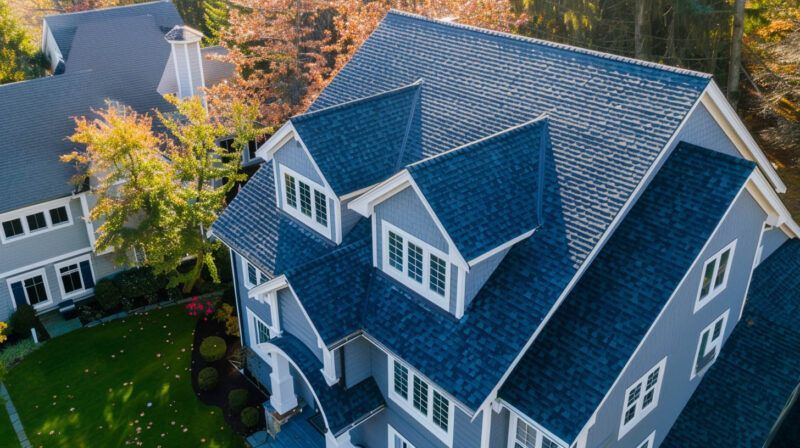
- Overhangs and Dormers: Features like overhangs and dormers add to the roof’s surface area, requiring more materials.
- Roof Complexity:
The more complex the roof design (e.g., multiple valleys, peaks, and angles), the higher the material and labor costs.
Material Volume Considerations
- Waste Factor: Always account for a waste factor when ordering materials, especially for complex roofs with many cuts.
- Bulk Purchases: Sometimes, buying materials in bulk can reduce costs, but storage and handling become considerations.
4. Existing Roof Layers and Removal Costs
The number of existing roof layers can affect the preparation work required before installing the new roof. Local building codes often limit the number of allowable layers.
Single vs. Multiple Layers
- Single Layer: Easier and less costly to remove.
- Multiple Layers: More labor-intensive and expensive to remove, but necessary for ensuring the structural integrity of the roof.
Disposal and Recycling
- Disposal Costs: The cost of disposing of old roofing materials can be significant, especially in areas with strict environmental regulations.
- Recycling Options: Some materials, such as asphalt shingles, can be recycled, potentially reducing disposal costs.
5. Selection of Roofing Materials
The choice of roofing materials plays a significant role in the project’s overall cost, durability, and appearance. Each material has its advantages, disadvantages, and cost implications.
Common Roofing Materials
- Asphalt Shingles: Popular for their cost-effectiveness and versatility.
- Metal Roofing: Offers durability and energy efficiency but at a higher initial cost.
- Tile and Slate: Provide a distinctive appearance and longevity but require a stronger structural support system.
Material Cost Factors
- Quality and Brand:
Higher-quality materials from reputable brands cost more but offer better durability and warranties.
- Aesthetic Preferences: Designer shingles or custom tiles can significantly increase the project’s cost but enhance the home’s curb appeal.
6. Roof Deck Inspection and Preparation
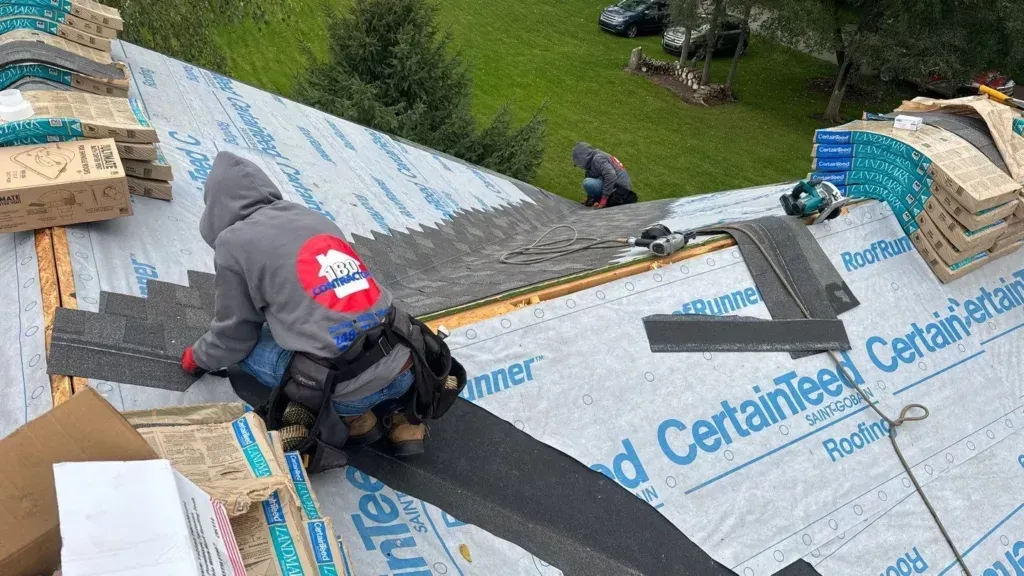
The condition of the roof deck is crucial for the longevity of your new roof. This section involves inspecting and repairing or replacing the underlying structure before installing the new roofing material.
Components of the Roof Deck
- Sheathing: The panels (usually plywood or OSB) that form the base of the roofing structure.
- Underlayment:
A water-resistant layer that provides additional protection against moisture.
Inspection and Repair
- Damage Assessment:
Identifying and repairing any damaged sections of the roof deck is essential to prevent future issues.
- Upgrading Insulation:
This is an opportune time to improve roof insulation, enhancing your home’s energy efficiency.
7. Labor Costs and Project Duration
Labor costs can vary widely depending on the project’s complexity, the contractor’s expertise, and regional wage rates. The duration of the project also affects the overall cost, especially if temporary accommodations are needed.
Factors Influencing Labor Costs
- Skill Level: Experienced contractors may charge more but can provide higher quality work and efficiency.
- Project Complexity: Complex projects require more time and skilled labor, increasing costs.
Roof Replacement Project Timeline
- Weather Conditions: Adverse weather can delay the roof replacement project, potentially increasing costs.
- Efficiency:
Efficient planning and execution can also minimize the project’s duration and associated labor costs.
A roof replacement project encompasses a wide range of factors, each contributing to the final cost and quality of the work. By understanding these elements—home height, roof pitch, square footage, existing layers, material selection, roof deck condition, and labor costs—you can better plan and budget for your project. Engaging with a reputable contractor like 180 Contractors Roofing and Siding ensures that every aspect of your roof replacement is handled with expertise and attention to detail, resulting in a durable, aesthetically pleasing, and cost-effective roofing solution for your home..