How Long Does New Siding Installation Take

Siding replacement is an important home improvement project. New siding makes your home look nice and keeps it safe from weather damage, pests, and rot. Homeowners thinking about replacing their siding may have many questions. They often wonder about the installation process and how long the project will take.
Understanding the Siding Installation Process
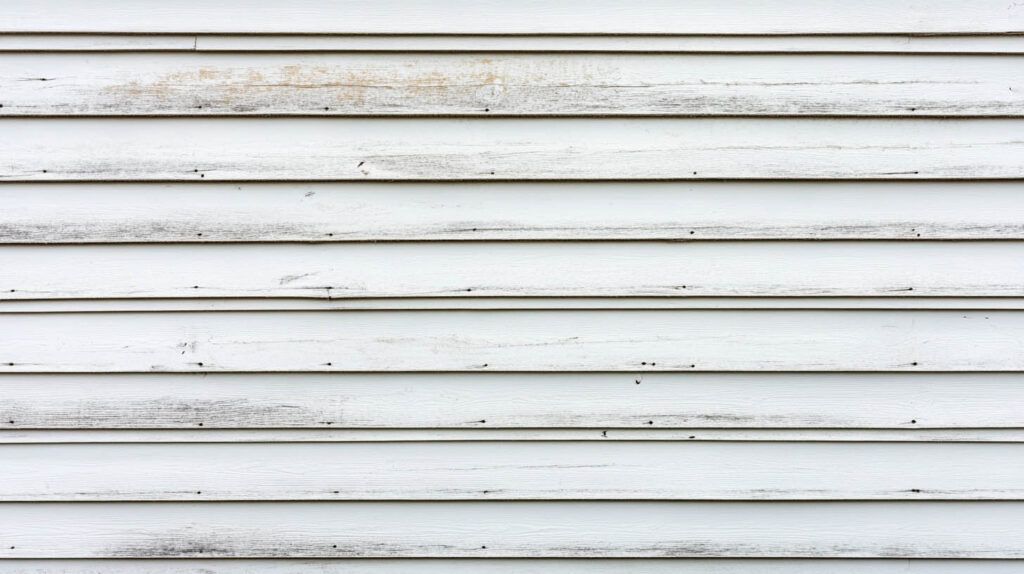
Replacing your home’s siding is a big job. First, you must remove the old siding. After that, check the exterior walls for any damage. Look for problems like wood rot, water damage, and pests. You need to fix these issues before putting on new siding.
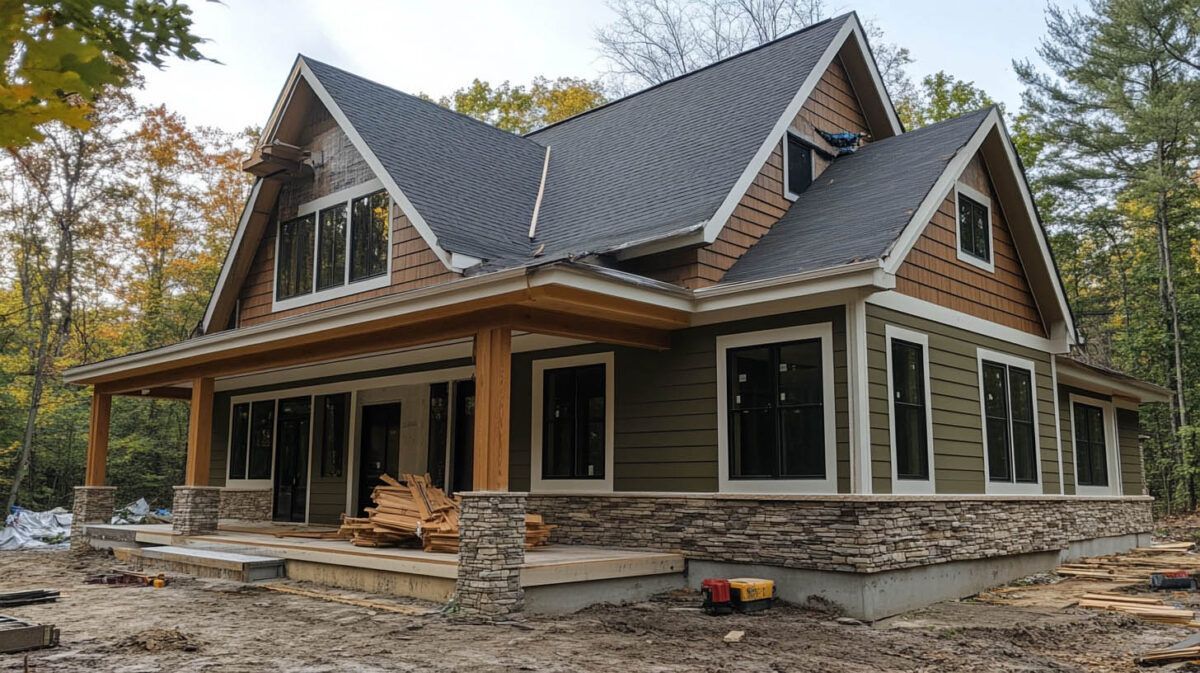
Once everything is repaired, the siding contractor will start installing the new siding on your house. Keep in mind that many things can affect the siding installation process. For example, the size of your home and the weather matter a lot.
Key Steps in Professional Siding Installation
To know how long a siding installation will take, you need to understand the key steps involved. Each siding project is unique, but the main steps are usually the same.
Here’s what a professional siding installation includes:
- Initial Consultation: This first step is important. A siding contractor will visit your home to talk about your needs. They will look at your project and check the condition of your existing siding.
- Measurements and Material Selection: The contractor will measure your home. This will help figure out how much siding you need. Together, you will also choose the type of siding material, which can affect the timeline of your project.
- Preparation: Before starting, the work area must be ready. This might mean taking away light posts and outdoor lights. It’s also about protecting your landscaping and covering furniture outside.
- Installation:
This is when they start putting up the siding. The duration of this step will depend on the size of your home, how many workers are there, and how complex your siding project is.

The Role of Weather Conditions in Scheduling Your Installation
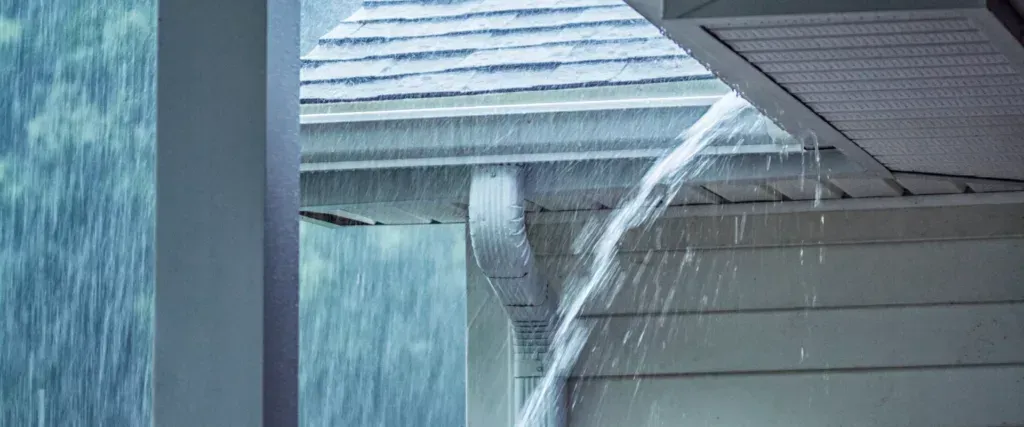
Weather conditions are a key factor to consider when planning the installation of siding on your home. Extreme temperatures, heavy rain, or strong winds can all have a significant impact on the installation process and may even lead to delays in completing the project. It is common practice for siding contractors to carefully assess the weather forecast before finalizing an installation date to guarantee favorable working conditions. By staying informed about weather patterns and being prepared to make any required adjustments, both homeowners and installation teams can work together to ensure a successful and efficient siding installation process. This proactive approach can help prevent potential setbacks and contribute to a smoother overall experience for all parties involved.
Factors Affecting the Timeline of New Siding Installation
It is hard to say how long it will take to change your siding. This depends on your home, the details of your project, and the weather where you live. Generally, most siding contractors think it takes about four to seven days to put new siding on an average-sized home.
Many things can change this timeline. For example, if your home needs major repairs before the new siding goes up, it may take more time. Keep reading to find out some big factors that can change the timeline for new siding installation.
The Impact of Home Size and Complexity on Installation Time
For siding installation, the size and complexity of your home directly influence the time required. Larger or intricate structures necessitate more detailed work, extending the installation timeline. Factors like multiple stories, architectural embellishments, or unique design elements can increase the project’s duration. Addressing these specifics during the initial consultation helps in providing a more exact estimate. Be prepared for additional time if your home features complex structural elements or design intricacies.

Material Availability and Its Influence on Project Start Dates
Securing materials is a critical aspect in determining when your siding installation project can commence. The availability of specific siding materials plays a vital role in setting the project’s start date. Factors like the type of siding chosen, supplier lead times, and any unforeseen delays in material acquisition can directly impact when the installation crew can begin working on your home. Ensuring material readiness can help streamline the process and avoid unnecessary delays.
Preparing for Your Siding Installation
Whether you are a DIY expert or you are hiring someone to change your siding, you can take some steps to get ready for the job. Planning early will help make the installation process easier and stop any surprises when the work starts.
A few weeks before your siding installation, take a walk around your home. Look for anything that might block the installation crew. This can include patio furniture, grills, play equipment, or lawn decorations.
How to Ensure a Smooth Siding Installation Experience
Ensure a smooth siding installation experience by preparing your home adequately. Clear the work area, remove patio furniture, and ensure parking preferences are communicated to the installation crew. Address any structural elements that may impact the process beforehand. Stay informed about the siding replacement process to anticipate any unforeseen challenges. Prioritize safety measures and communicate openly with the siding contractor for a seamless project flow. Taking these steps will help streamline the installation process and minimize disruptions.

Necessary Pre-Installation Measures for Homeowners
Before the siding installation begins, homeowners should clear the work area of any patio furniture or obstacles to allow the installation crew easy access. It’s advisable to relocate any items that could be affected by the installation process. Additionally, ensuring parking preferences for the contractor and crew is essential for a smooth operation. Adequate communication with the siding contractor about any specific concerns or requirements can help prevent delays during the project. Taking these preparatory steps can streamline the installation process.
Contact Us
When planning a siding installation project, understanding the process and the various factors that can affect the timeline is crucial. Our partnership with top brands such as James Hardie, Alside, and Everlast ensures that you have access to high-quality materials for your project. From the initial consultation to considering weather conditions and material availability, being prepared can streamline the process. Additionally, our awards, including being BBB A+ accredited, Guildmaster (Guildquality), INC 5000, Google Guaranteed, and Qualified Remodeler top 100 satisfaction, showcase our commitment to excellence. Remember, every home is unique, so consulting with a siding contractor like 180 Contractors Roofing & Siding for a more specific estimate tailored to your needs is always a good idea. Located in Troy, MI, 180 Contractors Roofing & Siding specializes in providing top-quality siding installation services.
Frequently Asked Questions
Do I need new house wrap when replacing siding?
When replacing siding, it’s recommended to assess the condition of the existing house wrap. If damaged or outdated, installing new house wrap can enhance insulation and protect against moisture.
What is the fastest siding to install?
Vinyl siding is often considered the fastest to install due to its lightweight and interlocking panels. Fiber cement siding follows closely, offering durability with quicker installation compared to wood or stucco. Each material has its unique benefits impacting installation speed.
Learn more about
vinyl siding ROI: Why it’s a smart investment.

GET A FREE QUOTE
We will get back to you as soon as possible.
Please try again later.
Recent Posts