Your roof works silently every day to protect your home, yet it’s often ignored until a major issue appears. In Troy, MI, where the weather can range from blistering heat to snow-heavy winters, regular roof inspections are more than just a smart idea—they’re a necessity. Timely inspections can help detect minor issues before they escalate into costly damage. In this guide, we’ll explain how often to schedule a roof inspection, what to expect, and how 180 Contractors Roofing & Siding can help you stay ahead of potential roofing problems.
Why Regular Roof Inspections Matter
Many roofing issues go unnoticed until it’s too late. Small leaks, cracked shingles, or inadequate ventilation might seem insignificant at first but can develop into major repairs or even full replacements. Regular inspections help homeowners:
- Extend the lifespan of their roof
- Catch issues early before they escalate
- Maintain warranties that require documentation of upkeep
- Save money by preventing emergency repairs
Ideal Inspection Frequency
While some homeowners think a roof should only be inspected after a storm, regular check-ups are crucial to long-term health. Here’s a general guide for Troy homeowners:
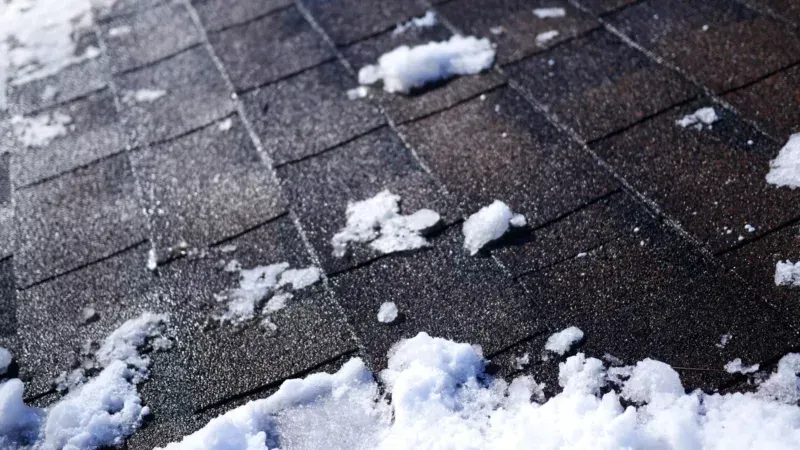
- Twice a year: Spring and fall are ideal for detecting damage from harsh winters and prepping for summer heat.
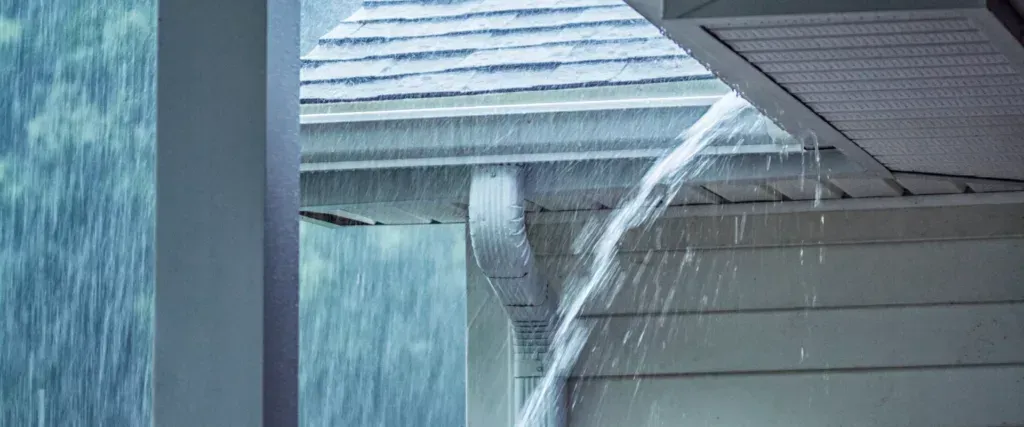
- After major storms: Inspections after wind, hail, or heavy rain help catch storm-specific damage early.
- Before buying or selling: A roof inspection gives peace of mind and adds transparency to real estate transactions.
- Older roofs:
If your roof is 10 years or older, more frequent inspections—every 6 months—are advisable.
What a Roof Inspection Covers
A professional inspection includes:
- Shingle integrity (missing, curled, cracked, or aged shingles)
- Flashing condition around chimneys, skylights, and vents
- Signs of leaks or moisture intrusion
- Gutter and downspout performance
- Ventilation and insulation condition
- Mold, algae, or moss growth
- Structural assessment of decking and underlayment
Professional inspectors also look for subtle issues that can’t be seen from the ground, including granule loss, soft spots, or improperly sealed fasteners.
DIY vs. Professional Inspections
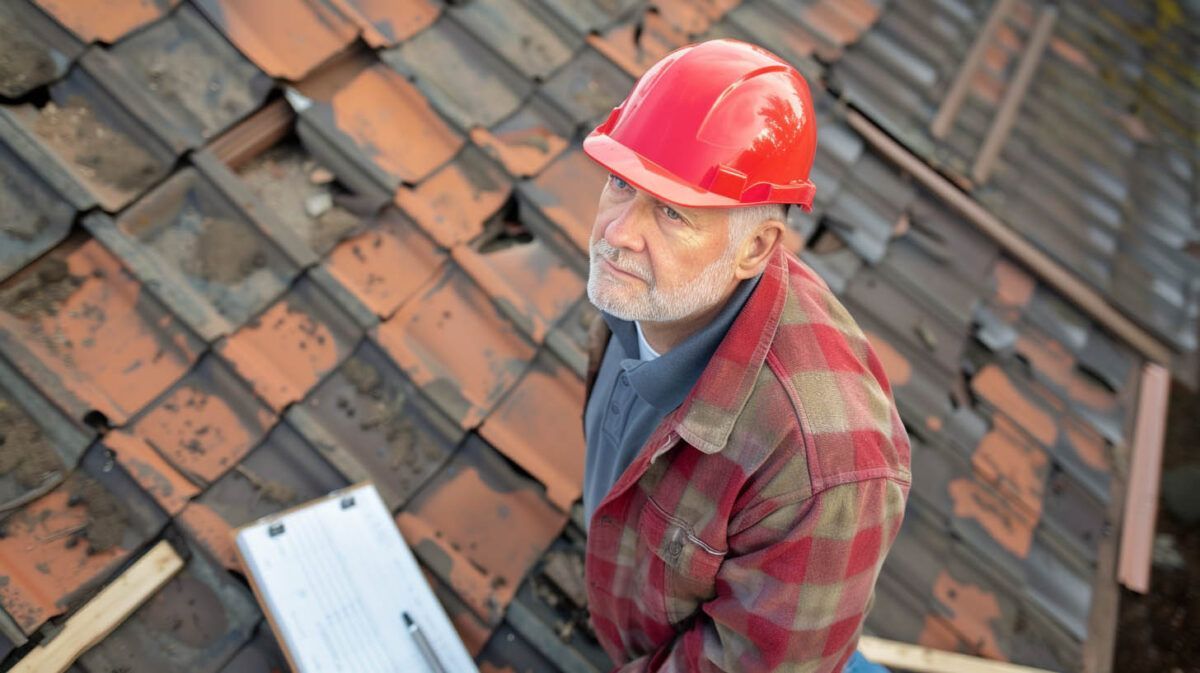
While visual checks from the ground or attic can help spot obvious problems, only a certified roofing contractor can perform a comprehensive evaluation. Trained experts know where to look and how to identify early-stage problems that aren’t visible to the untrained eye.
In Troy, 180 Contractors Roofing & Siding offers thorough roof inspections using proven evaluation methods and advanced tools. As an Owens Corning Preferred Contractor and BBB A+ rated business, they back their inspections with trusted industry credentials.
Benefits of Scheduled Roof Inspections
- Improved energy efficiency: Identify ventilation issues that cause heat loss or buildup.
- Insurance advantages: Easier claim approvals with documented inspections.
- Increased home value:
A well-maintained roof is a strong selling point.
- Peace of mind:
Sleep better knowing your home is safe from above.
When Should You Be Concerned?
Contact a roofing professional right away if you notice:
- Ceiling water stains or attic dampness
- Sagging spots or visible dips in the roof
- Increased energy bills (could signal insulation or ventilation problems)
- Loose shingles or flashing after storms
Proactive action today can save thousands in damage tomorrow.
Trusted Help in Troy, MI
At 180 Contractors Roofing & Siding, we believe prevention is better than cure. Our team of certified inspectors is equipped to handle residential roofs of all types, ensuring no issue goes unnoticed. We provide full inspection reports, explain our findings clearly, and offer honest recommendations with no pressure.
Final Thoughts
So how often should you schedule a roof inspection? At least twice a year—plus after any major storm or extreme weather event. If your roof is older or showing signs of wear, increase the frequency to stay ahead of potential problems.
Regular roof inspections are an affordable, smart investment in the longevity, safety, and efficiency of your home. Don’t wait for leaks to appear—schedule your inspection with trusted local experts.
Read also our blog:
Are Missing Shingles a Serious Issue?