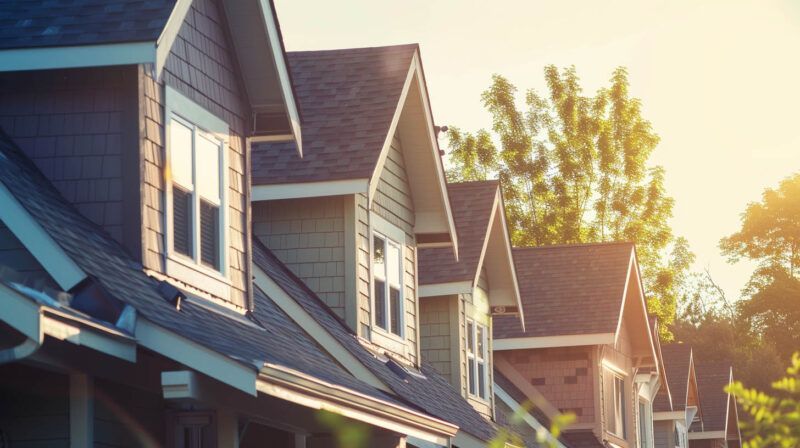
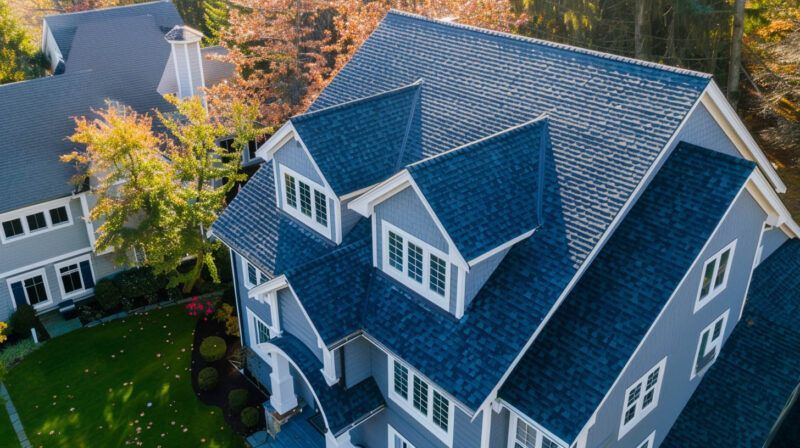
Your roof is designed to stand up to the elements—but one of the most relentless threats to its integrity is something you can’t see at work until the damage is done: the sun. Over time, exposure to UV radiation, heat, and fluctuating temperatures can wear down even the most durable roofing materials. In a place like Troy, MI, where the seasons bring everything from scorching summer heat to frigid winters, understanding how sun exposure affects your roof can help you take proactive steps to protect it.
UV Rays: The Silent Roof Killer
Ultraviolet (UV) radiation is invisible but incredibly destructive. Even on cloudy days, UV rays penetrate the atmosphere and break down the chemical bonds in roofing materials. Asphalt shingles, wood shakes, and even metal surfaces can all suffer from UV-related degradation.
The most common signs of UV damage include:
- Fading or discoloration
- Brittleness or cracking
- Granule loss on asphalt shingles
- Curling or warping edges
Over time, this breakdown compromises the waterproofing abilities of your roof, increasing the risk of leaks and shortening its lifespan.
Heat Buildup and Thermal Shock
Prolonged sun exposure causes roofing materials to heat up dramatically during the day—sometimes reaching temperatures of 150°F or more. Then, as the sun sets, the surface cools quickly. This daily cycle of expansion and contraction is known as thermal shock.
Repeated thermal shock causes materials to weaken, fasteners to loosen, and sealants to crack. It’s particularly hard on older roofs that may have already experienced years of weathering.
Impact on Attic Temperature and Home Efficiency
Sun-drenched roofs also raise attic temperatures. Without proper insulation and ventilation, this excess heat can:
Increase your home’s cooling costs
Reduce the effectiveness of roof underlayment
Contribute to premature aging of roofing materials
Attic heat buildup can also create a “heat trap,” encouraging moisture buildup and potentially contributing to mold or mildew growth.
How to Spot Sun Damage
While it’s not always obvious, sun-related damage can be detected by:
- Inspecting your shingles for curling, drying, or cracking
- Looking for faded or patchy areas across the roof
- Noticing loose granules in gutters or downspouts
- Observing higher-than-usual cooling bills (which may point to poor roof insulation or ventilation)
Scheduling a professional inspection can confirm if your roof is suffering from sun exposure or other environmental factors.
Tips to Minimize Sun Damage
1. Use UV-Resistant Roofing Materials
Opt for products designed to withstand intense sunlight. Metal roofing, architectural asphalt shingles, and cool roofing systems offer better resistance to UV rays and thermal cycling.
2. Ensure Proper Ventilation
Good attic ventilation helps reduce roof surface temperatures and extends the life of your shingles. Ridge vents, soffit vents, and attic fans all contribute to improved airflow and temperature regulation.
3. Apply Reflective Coatings
Reflective roof coatings or cool-roof technologies can lower surface temperatures by reflecting sunlight rather than absorbing it. These are particularly helpful on low-slope or flat roofs.
4. Schedule Routine Inspections
Have your roof inspected at least once a year—ideally in spring or fall. This helps catch early signs of UV damage and address minor repairs before they escalate.
Trust the Experts Who Know Local Conditions
In Troy, MI, weather extremes demand more from your roofing system. 180 Contractors Roofing & Siding understands how the sun and seasonal shifts impact roofs in the area. Their experienced team can inspect, repair, and install roofing systems that stand up to the sun and everything else Michigan throws at it. Visit 180 Contractors Roofing & Siding to schedule a consultation.
Choose Materials That Last
High-performance roofing materials from trusted brands like Owens Corning are engineered to resist sun damage, maintain color, and deliver long-term durability. Their shingles are built with advanced UV protection and strong warranty coverage.
Final Thoughts
Sun exposure might be invisible, but its impact on your roof is very real. With the right materials, routine care, and support from knowledgeable professionals, you can minimize UV damage and keep your roof performing at its best for decades to come.
Read also our blog:
Overlay vs. New Roof: Which Option Wins?