When most homeowners think about roof maintenance, they focus on shingles, flashing, or gutter cleaning. But roof drains—especially on flat or low-slope roofing systems—are just as essential to keeping your home dry and damage-free. In Bloomfield Hills, MI, where seasonal rainfall and snowmelt are common, clogged or poorly maintained roof drains can quickly lead to backups, leaks, and costly water damage.
At
180 Contractors Roofing & Siding, we regularly inspect and maintain roof drainage systems to prevent problems before they start. If you own a home or building with internal drains, scuppers, or overflow outlets, routine cleaning is one of the smartest ways to protect your property.
Why Roof Drains Matter
Roof drains are designed to remove water efficiently from flat or low-slope roofing systems. Unlike sloped roofs that rely on gravity and gutters alone, flat roofs use interior drains or edge-mounted scuppers to route water to downspouts and storm systems.
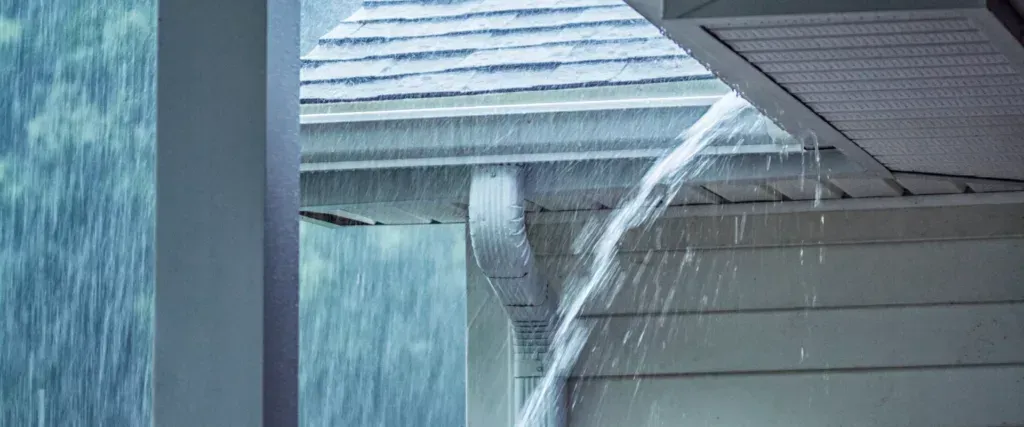
Without proper drainage:
- Water pools and adds weight to your roof
- Seams and membranes can separate, causing leaks
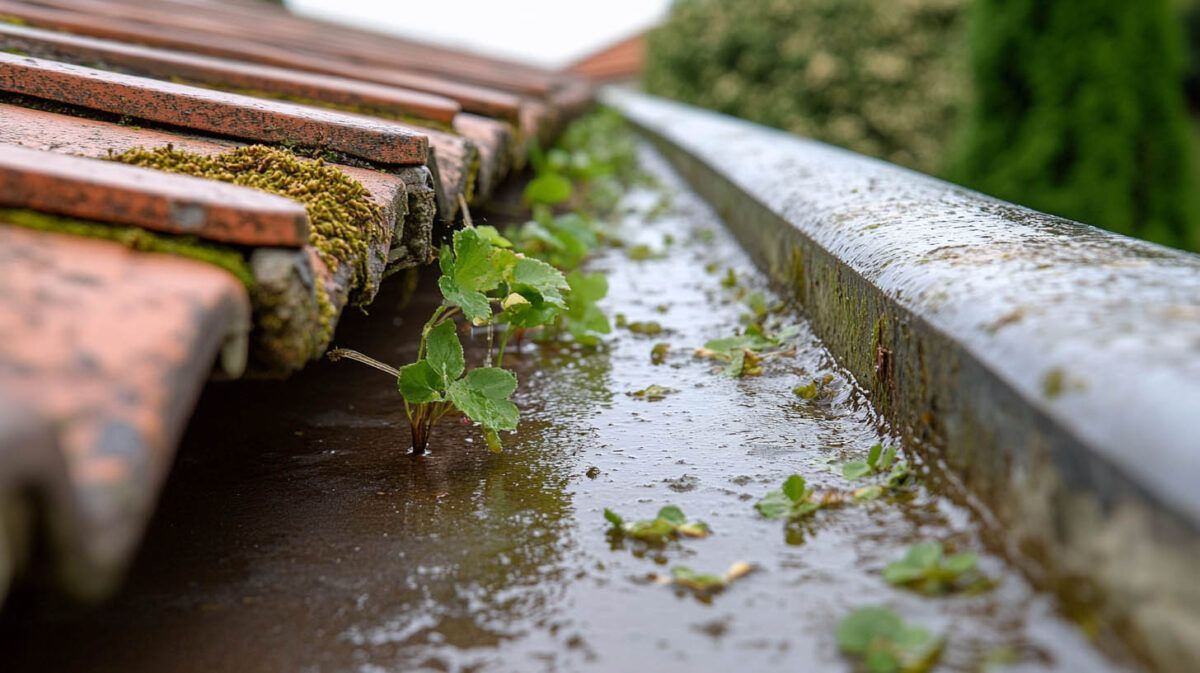
- Standing water promotes algae, rot, and insect activity
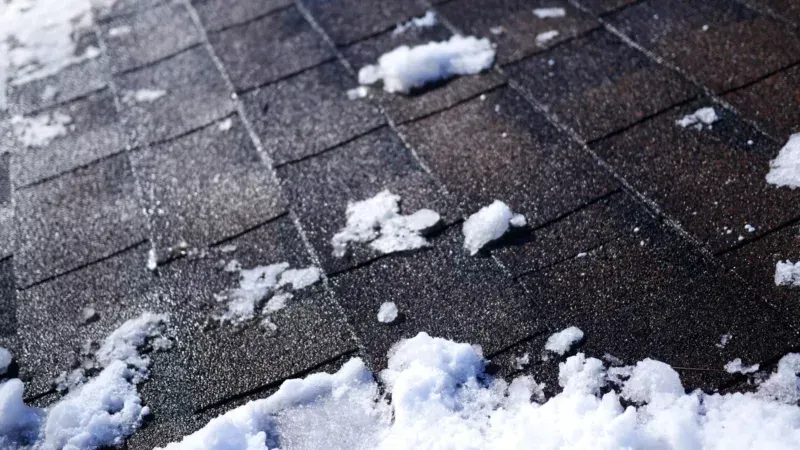
- Ice buildup in winter increases structural risk
In a city like Bloomfield Hills, where heavy spring rains and freezing winter conditions combine, well-functioning roof drains are critical to long-term performance.
Step-by-Step: How to Clean Roof Drains
1. Clear Debris from the Roof Surface
Start by removing leaves, branches, dirt, and other debris from the surface of your roof. Organic matter tends to collect around drains, especially after storms, and contributes to blockages.
2. Remove Drain Covers or Grates
Most roof drains are covered with a dome or flat grate. Remove these gently, using gloves and a screwdriver if needed. Be cautious not to damage any seals or surrounding membrane.
3. Clear the Drain Opening
Use a hand scoop or gloved hand to remove debris from the drain opening. If water is standing, you may need to bail it out or use a shop vacuum to clear the area before accessing the drain inlet.
4. Flush the Drain Pipe
Once the opening is clear, flush the pipe with a hose to ensure there are no obstructions further down the line. If water doesn’t drain smoothly, you may have a clog deeper in the pipe that requires plumbing snake tools or professional help.
5. Inspect Drain Seals and Flashing
While you’re working on the drain, check the condition of the surrounding seals, membranes, or flashing. Any signs of cracking, peeling, or separation can lead to future leaks and should be repaired promptly.
Don’t Forget Overflow Drains and Scuppers
In addition to primary drains, many flat roofs include:
- Overflow drains: Provide secondary water escape if main drains clog
- Scuppers: Openings on the edge of the roof that channel water away
These should be cleaned and tested just like your main drain system to ensure redundancy in case of heavy precipitation.
Seasonal Roof Drain Maintenance in Bloomfield Hills, MI
Spring:
- Remove debris from winter storms and snowmelt
- Check for cracks in drain seals caused by freeze-thaw cycles
Fall:
- Clear falling leaves and branches before they block water flow
- Inspect for signs of animal nesting or debris buildup
Winter:
- Monitor for ice blockages in or around drain areas
- Use safe de-icing products if needed, avoiding damage to membrane
Using trusted products from brands like Owens Corning ensures your roofing system has the durability and flexibility to handle seasonal stress.
Signs of Drain Backups
Even if you don’t inspect your roof often, watch for these signs of a possible drainage problem:
- Water stains on ceilings or walls
- Puddles on your roof surface
- Gurgling sounds from drainpipes
- Sagging or bubbling in roofing membranes
Addressing these signs early can prevent structural damage and expensive interior repairs.
Professional Drain Cleaning vs. DIY
While basic drain cleaning can be done by homeowners, a professional roof inspection includes a more detailed assessment. Experts can identify hidden clogs, test drainage slope, and evaluate structural components—especially important for flat roofs on larger homes or commercial buildings.
In Bloomfield Hills, regular maintenance is key due to unpredictable weather and tree coverage that accelerates debris accumulation.
Final Thoughts
A clean and well-maintained roof drain system is your best defense against water damage—especially in a climate like Bloomfield Hills, MI, where seasonal weather creates drainage challenges year-round. Whether you’re doing routine fall prep or responding to signs of trouble, cleaning your roof drains is a small task with big rewards.
Read also our blog:
Roof Financing Explained: How to Afford a Roof Replacement