How to Identify and Prevent Water Damage on Your Home’s Siding
Siding serves as a critical protective barrier for a home, shielding it from harsh weather conditions, moisture intrusion, and structural decay. However, when water penetrates siding, it can lead to severe damage, including mold growth, wood rot, and compromised insulation. Recognizing the early signs of water damage and taking preventive measures ensures the long-term durability of a home’s exterior.
1. Common Causes of Water Damage on Siding
Water damage occurs when moisture infiltrates behind siding due to various factors. Understanding these causes can help homeowners take proactive steps to protect their homes.
Aging and Wear Over Time
As siding ages, exposure to sunlight, rain, snow, and wind gradually weakens its structural integrity. Cracks, warping, and fading can develop, allowing moisture to seep into the home’s framework.
Improper Installation
Siding must be installed with precise alignment and proper sealing techniques to prevent gaps that let water in. Common installation mistakes include:
- Nailing siding boards too tightly or loosely, causing them to warp.
- Failing to leave proper expansion gaps, leading to cracking.
- Overlapping boards incorrectly, creating water entry points.
Clogged Gutters and Drainage Issues
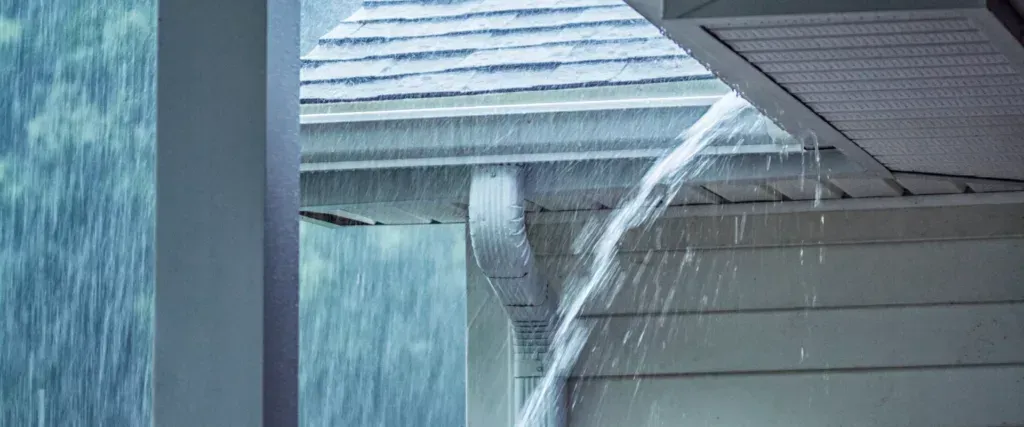
When gutters and downspouts become clogged with leaves, debris, or ice buildup, water overflows and runs down the siding. Prolonged exposure to excess moisture weakens siding panels and encourages mold growth.
Roof Leaks and Flashing Failures
Damaged roofing materials, missing shingles, or deteriorated flashing can allow rainwater to seep down the walls and into the siding. Without proper repair, moisture accumulation behind siding accelerates structural decay.
Brittle or Missing Caulk Around Windows and Doors
Caulking seals the gaps between siding and openings such as windows and doors. Over time, caulk can crack, shrink, or peel away, leaving vulnerable entry points for water infiltration.
Pest Infestations
Termites, carpenter ants, and rodents burrowing into wooden siding create openings that allow water to penetrate. Left untreated, pests exacerbate siding damage and lead to costly repairs.
2. Signs of Water Damage on Siding
Detecting water damage early can prevent extensive repairs and protect a home’s structural integrity. Homeowners should inspect their siding regularly for the following warning signs.
Visible Water Stains and Discoloration
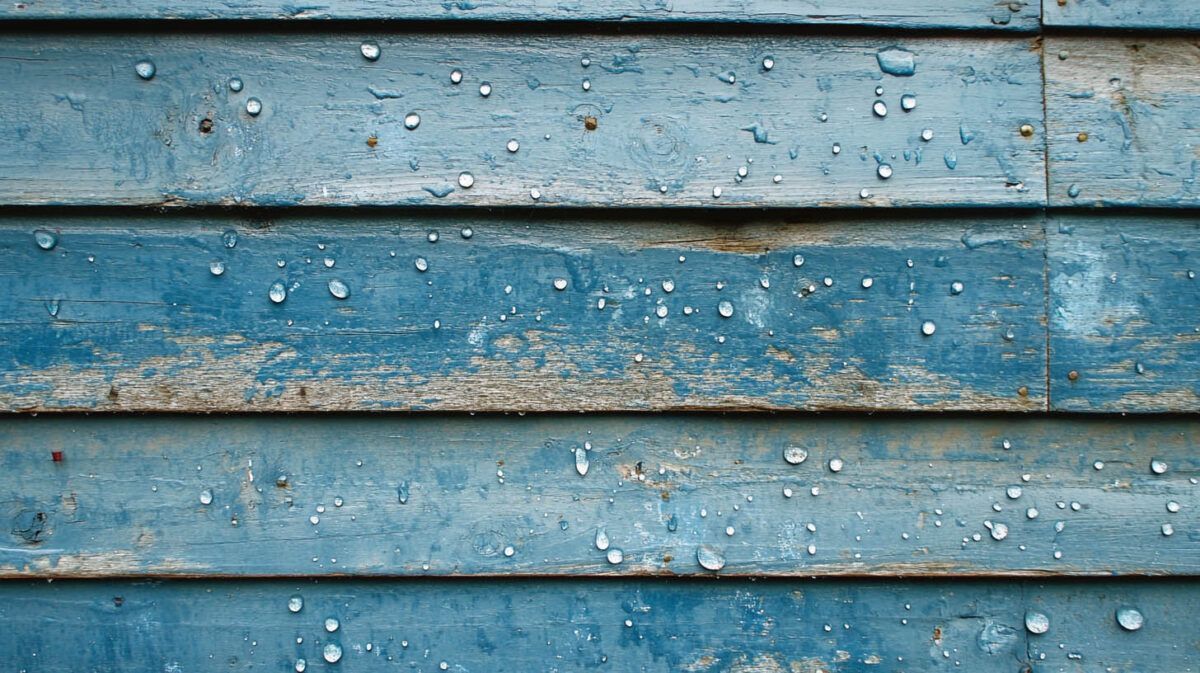
Dark streaks or stains on siding panels indicate moisture buildup. These marks may appear brown, black, or green, depending on the extent of water exposure and potential mold growth.
Peeling or Bubbling Paint
Excess moisture beneath siding can cause paint to bubble, peel, or blister. This is particularly common in wood siding, where water absorption leads to surface deterioration.
Soft or Rotting Wood
Wood siding affected by prolonged moisture exposure may feel soft or crumbly to the touch. Rot typically starts in hidden areas and spreads over time, weakening the siding’s support structure.
Mold and Mildew Growth
Mold and mildew thrive in damp environments. If black or green mold patches appear on siding, it indicates a moisture problem that needs immediate attention. Mold growth inside the home, near exterior walls, is another sign of siding failure.
Warped or Loose Boards
Water infiltration can cause siding boards to expand, contract, or pull away from the home. Warped siding affects the home’s aesthetic appeal and increases the risk of further damage.
Rusting, Popped, or Sunken Nails
Siding nails should sit flush with the surface. If nails appear rusted, protruding, or sunken, moisture is likely compromising the structural integrity of the panels.
Higher Energy Bills
Siding serves as an insulator, regulating indoor temperatures. If energy costs suddenly rise, compromised siding may be allowing air leaks, reducing overall energy efficiency.
3. Preventative Measures to Protect Siding from Water Damage
Proactive maintenance and repairs help extend the lifespan of siding and prevent costly damage.
Regular Inspections and Cleaning
- Conduct seasonal inspections to check for cracks, gaps, or loose panels.
- Wash siding with a mild detergent and soft brush to remove dirt, mildew, and debris.
- Look for mold or water stains that could indicate hidden leaks.
Keep Gutters and Downspouts Clear
- Clean gutters at least twice a year to prevent water overflow.
- Install gutter guards to reduce debris buildup.
- Ensure downspouts direct water at least 5 feet away from the home’s foundation.
Seal Gaps with High-Quality Caulk
- Inspect caulking around windows, doors, and joints for deterioration.
- Use waterproof exterior-grade caulk to seal any cracks or gaps.
- Reapply caulking as needed to maintain a watertight seal.
Repair Roof and Flashing Issues Promptly
- Fix any missing or damaged shingles to prevent leaks.
- Check flashing around chimneys, vents, and skylights for signs of wear.
- Replace deteriorated flashing to maintain proper water drainage.
Upgrade to Moisture-Resistant Siding
For homeowners looking for long-term protection, investing in high-quality, water-resistant siding materials can significantly reduce the risk of moisture damage.
| Siding Material | Water Resistance | Maintenance Needs | Lifespan |
|---|---|---|---|
| Fiber Cement | Highly water-resistant | Low maintenance | 50+ years |
| Vinyl | Moderate resistance | Requires occasional cleaning | 20-30 years |
| Wood | Prone to water absorption | Requires frequent sealing | 15-25 years |
| Metal (Aluminum/Steel) | Rust-resistant but can dent | Low maintenance | 40+ years |
For optimal moisture protection, fiber cement siding is one of the most durable and long-lasting solutions.
4. Choosing a Professional Contractor for Siding Replacement
Replacing damaged siding requires precision and expertise to ensure proper installation and long-term performance.
For homeowners in Waterford, MI, 180 Contractors Roofing & Siding provides expert siding installation and repair services. With a commitment to quality craftsmanship and customer satisfaction, we ensure your home remains protected against moisture damage and environmental wear.
Our Certifications:
- BBB A+ Accredited – Recognized for outstanding service.
- Guildmaster (GuildQuality) – Awarded for customer satisfaction.
- INC 5000 – Ranked among the fastest-growing companies.
- Google Guaranteed – Verified for superior workmanship.
- Qualified Remodeler Top 100 Satisfaction – Rated among the best in the industry.
Our Trusted Brands:
- James Hardie – Leading fiber cement siding manufacturer.
- Alside – High-performance vinyl and aluminum siding.
- Everlast – Durable, long-lasting composite siding.
5. Frequently Asked Questions (FAQs)
1. How often should I inspect my siding for water damage?
It is recommended to inspect siding at least twice a year, preferably in the spring and fall, and after severe storms.
2. Can water damage under siding lead to structural issues?
Yes, prolonged moisture exposure can weaken wood framing, cause rot, and compromise the home’s foundation.
3. Is mold on siding dangerous?
Mold can pose health risks, especially if it spreads indoors. It is essential to remove mold promptly and address the source of moisture.
4. What is the best siding material to prevent water damage?
Fiber cement siding is one of the most moisture-resistant options, providing superior durability and longevity.
5. When should I consider siding replacement instead of repair?
If siding is extensively warped, rotted, or repeatedly exposed to moisture damage, a full replacement is the best long-term solution.
Conclusion
Detecting and preventing water damage on siding is essential for maintaining a home’s structural integrity and aesthetic appeal. Regular inspections, proper drainage maintenance, and timely repairs can prevent costly moisture-related issues. Upgrading to high-quality, water-resistant siding materials further ensures long-term protection against environmental elements.
Read also our blog:
15 Unique Siding Design Ideas to Boost Your Home’s Curb Appeal
GET A FREE QUOTE
We will get back to you as soon as possible.
Please try again later.
Recent Posts