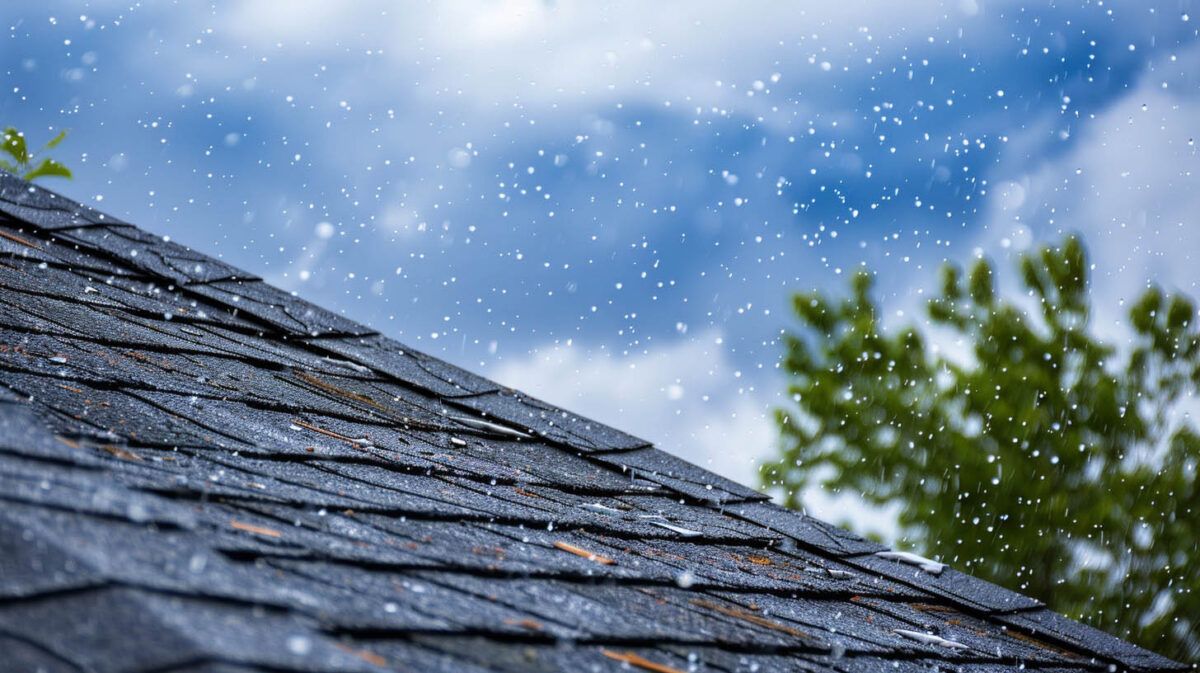
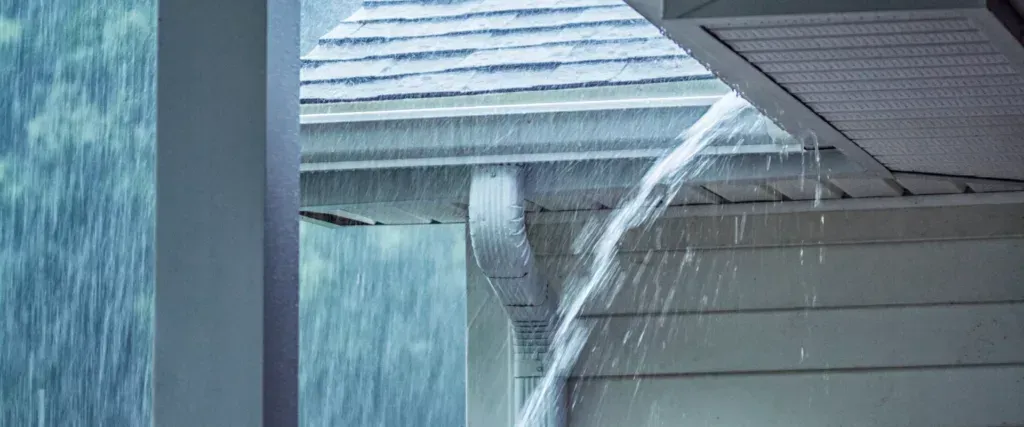
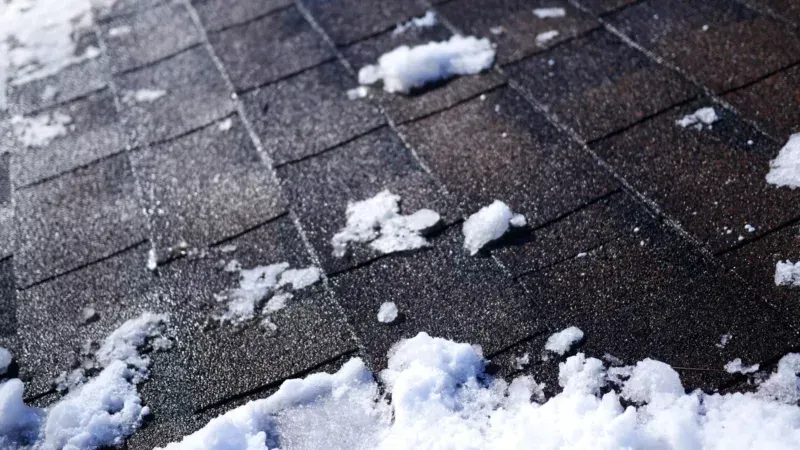
Hailstorms can strike unexpectedly and leave behind serious damage that isn’t always visible from the ground. For homeowners in Troy, MI, where hail events are not uncommon, knowing how to identify hail damage on your roof can save you from costly repairs and help you file insurance claims more effectively.
At
180 Contractors Roofing & Siding, we’ve inspected hundreds of hail-damaged roofs and know exactly what to look for. In this guide, we’ll walk you through the signs, risks, and steps to take if you suspect hail has impacted your roof.
Why Hail Damage Matters
Hailstones vary in size—from tiny pellets to golf ball-sized chunks—and even the smaller ones can compromise your roofing system. While you might not see obvious destruction immediately, hail can:
- Bruise or crack shingles
- Dislodge protective granules
- Expose your roof to water infiltration
- Void manufacturer warranties if not addressed
Left unchecked, minor hail damage can evolve into leaks, mold, and structural deterioration.
Signs of Hail Damage to Look For
1. Granule Loss
Hail can dislodge the protective granules that coat asphalt shingles, leaving the underlying material vulnerable to UV damage. After a storm, inspect your gutters and downspouts for a buildup of granules, which may indicate shingle wear.
2. Dented or Bruised Shingles
Hail can leave behind soft spots or dents on shingles. These may not be visible to the naked eye, but you can often feel them by running your hand along the surface. They often appear darker than the rest of the roof.
3. Cracked Shingles
Larger hailstones can crack shingles outright, creating direct pathways for water to enter the roofing system.
4. Damaged Flashing and Roof Vents
Inspect metal components like flashing, vents, and gutters for dings, dents, or paint chips—these are often the most obvious signs of hail impact.
5. Shingle Displacement
Some hailstorms with strong winds can loosen or completely tear off shingles, leaving exposed underlayment or decking.
Inspection Tips After a Hailstorm
While we don’t recommend climbing onto your roof without proper safety equipment and training, you can still do a preliminary inspection from the ground or with binoculars:
- Look for shingle debris around your yard
- Check your siding and windows for signs of impact
- Examine gutters and downspouts for dents or granules
- Look inside your attic for signs of moisture or leaks
What to Do If You Suspect Damage
- Document the Damage:
Take photos of visible damage to your roof, gutters, siding, and surrounding property. This can help support an insurance claim.
- Schedule a Professional Inspection: Contact a certified roofer like 180 Contractors Roofing & Siding for a comprehensive damage assessment. Our trained team understands the unique weather challenges in Troy and knows exactly what to look for.
- File an Insurance Claim:
With the roofer’s inspection report, you can initiate a claim with your homeowner’s insurance company. Our team can assist with documentation and be present during adjuster visits if needed.
Owens Corning Products for Storm Protection
We use premium shingles from Owens Corning, designed to withstand high-impact weather conditions. Their high-performance materials and warranties provide peace of mind, especially in hail-prone areas like Troy, MI.
Stay Ahead of Storm Damage
Proactive roof maintenance is the best defense against storm-related deterioration. If your home in Troy has recently experienced a hailstorm, don’t wait for a leak to appear—take action now.
At 180 Contractors Roofing & Siding, we provide detailed hail damage inspections, expert repairs, and complete roof replacements with materials built to endure Michigan’s changing climate.
Read also our blog:
Will a Roof Leak If One Shingle Is Missing?