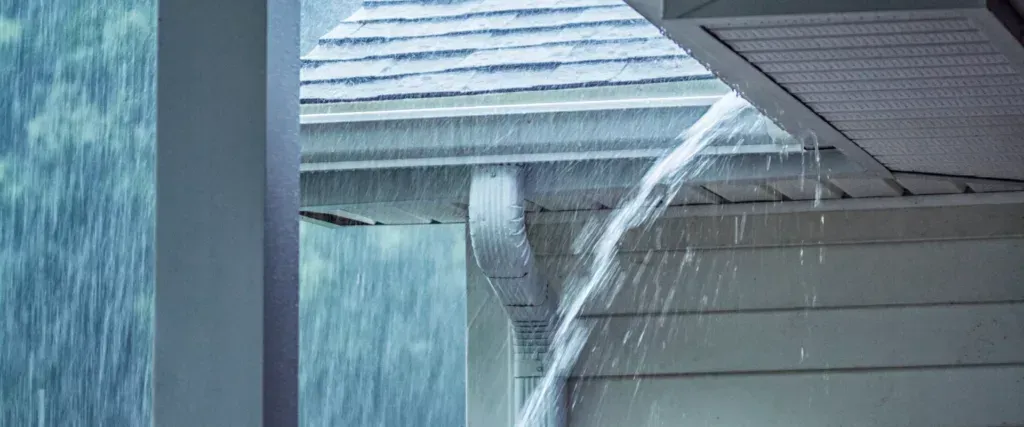
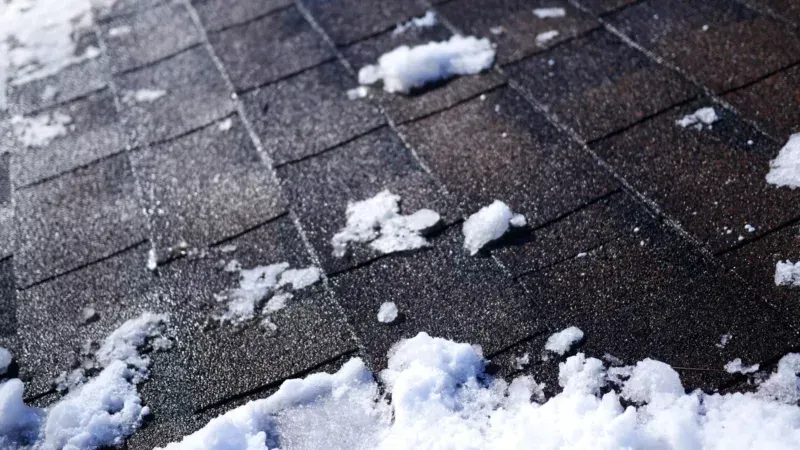
After a powerful storm sweeps through your area, one of the first things you should do is inspect your home—especially your roof. While some types of damage are obvious, others can go unnoticed until they cause serious problems. For homeowners in Troy, MI, where severe weather is a regular concern, knowing how to identify roof damage early can help prevent costly repairs. This guide walks you through what to look for and what steps to take after the storm clears.
The Importance of a Post-Storm Inspection
Your roof serves as the first line of defense against wind, rain, hail, and snow. Even minor damage can quickly escalate into significant structural issues if not addressed promptly. Water can seep beneath shingles, damage insulation, warp decking, and promote mold growth. That’s why a careful inspection after every major storm is so important.
A professional inspection is ideal, but there are also key warning signs you can look for on your own before calling in the experts.
Exterior Signs of Roof Damage
Start your inspection from the ground using binoculars or a drone if available—safety always comes first. Here’s what to look for:
1. Missing or Lifted Shingles
High winds can tear shingles off completely or lift them just enough to break their seal. This compromises your roof’s water-tight barrier and makes it vulnerable to future leaks.
2. Shingle Granules in Gutters
Heavy rainfall or hail can loosen granules from your asphalt shingles. If you notice dark, sand-like debris in your gutters or downspouts, it’s a clear sign of wear that reduces UV protection.
3. Dented Flashing or Vents
Hail and flying debris often damage metal flashing around chimneys, skylights, and vents. Look for dents, cracks, or peeling edges—these are entry points for water.
4. Fallen Debris or Tree Limbs
Large branches or debris on your roof are a major red flag. Even if they didn’t puncture the surface, they can damage shingles or compromise roof structure with their weight.
Interior Clues That Signal Trouble
Sometimes roof damage reveals itself from the inside. Check your attic and upper-floor ceilings for:
- Water stains or discoloration
- Damp insulation
- Musty odors indicating moisture buildup
- Daylight showing through roof boards
If you detect any of these signs, the storm likely caused a leak that requires immediate attention.
Document Everything for Insurance
Take clear, dated photos of any visible damage. These will be essential if you plan to file a claim with your insurance company. The more thorough your documentation, the smoother the claims process will go.
Additionally, avoid attempting repairs yourself before a professional assessment—this could jeopardize your coverage. Always wait for a licensed contractor to inspect and repair the damage.
Call in the Experts
Don’t wait until water is dripping through your ceiling to act. The sooner you schedule a roof inspection, the more likely you are to catch issues while they’re still manageable. Certified contractors know exactly what to look for and can provide the documentation and repairs needed to move forward confidently.
180 Contractors Roofing & Siding offers expert storm damage assessments and repairs in Troy, MI, helping homeowners protect their investment with honest recommendations and fast, reliable service.
Use Proven Materials for Repairs
If repairs or replacements are needed, insist on premium materials like those offered by Owens Corning. Their shingles are impact-resistant and built to withstand harsh weather conditions, making them a smart choice for Michigan homes that face frequent storms.
Final Thoughts
Storm damage can be intimidating, but knowing what to look for—and acting quickly—can make all the difference. By identifying signs of roof damage early, you can prevent costly future repairs and ensure your home remains safe and secure.
Read also our blog: Choosing the Right Roof Shingle Style for Your Home