Michigan homeowners know how quickly heating bills rise once winter settles in. Long stretches of freezing temperatures, steady snowfall, and cold winds put constant pressure on your home’s heating system. If your energy costs feel higher than they should, the problem may not be your furnace. In many cases, it’s insulation.
At 180 Contractors, we’ve worked on homes throughout Southeast Michigan and often see energy loss caused by outdated or insufficient insulation. When warm air escapes in the winter or heat seeps in during the summer, your HVAC system runs longer and harder. Proper insulation helps regulate indoor temperatures and reduces that strain.
Focus on the Attic First
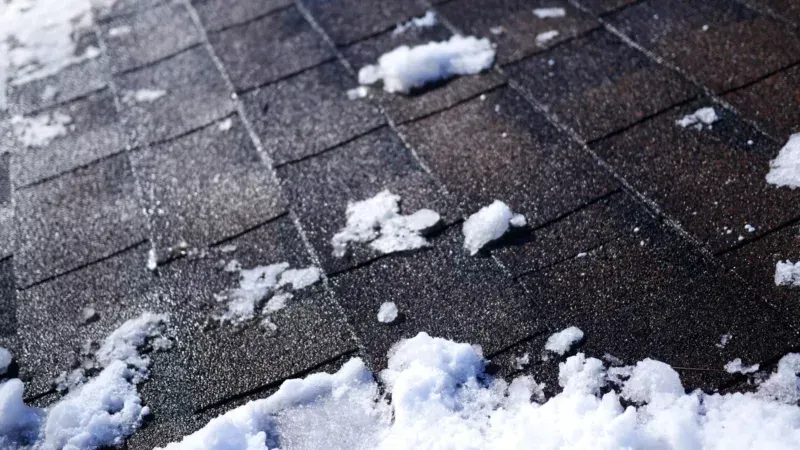
The attic is one of the most important areas to evaluate. Because heat rises, it naturally moves upward and can escape through a poorly insulated attic. When that happens, you lose conditioned air and increase the chance of ice dams forming along the roofline.
Many older homes do not meet current insulation standards. Bringing attic insulation up to recommended levels can significantly reduce energy waste. Just as important is proper ventilation. A balanced attic system allows air to circulate correctly, helping prevent moisture buildup that can damage insulation and roofing materials.
Why Ventilation Matters Just as Much as Insulation
Insulation slows heat transfer, but ventilation controls airflow. Without proper ventilation, warm air can become trapped in the attic, leading to moisture issues and uneven roof temperatures. This imbalance can shorten the lifespan of roofing materials and contribute to winter ice buildup. A properly ventilated attic works together with insulation to maintain consistent performance year-round.
Seal Air Leaks Before Adding Insulation
Insulation performs best when air leaks are addressed first. Small openings around attic hatches, plumbing vents, recessed lights, and ductwork allow warm air to escape. Sealing those gaps ensures the insulation can do its job effectively.
Drafty windows and doors are also common problem areas. Weatherstripping and caulking can provide noticeable improvements. In some cases, upgrading to energy-efficient windows may offer better long-term savings.
Improve Exterior Protection
Your exterior plays a role in energy efficiency as well. Worn siding or gaps in exterior materials can contribute to heat loss. Modern siding systems often include insulated backing that helps regulate indoor temperatures while improving protection against wind and moisture.
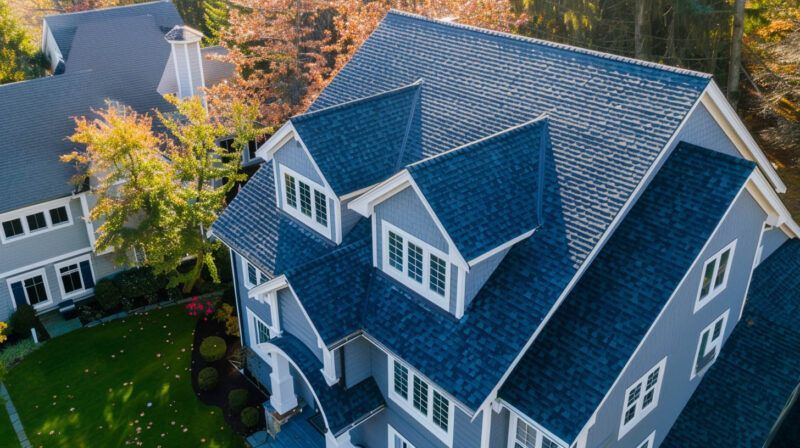
When we complete roofing or siding projects, we look at the home as a whole. Improving exterior materials not only strengthens protection against Michigan’s weather but can also support better energy performance year-round.
Consider the Roof’s Impact
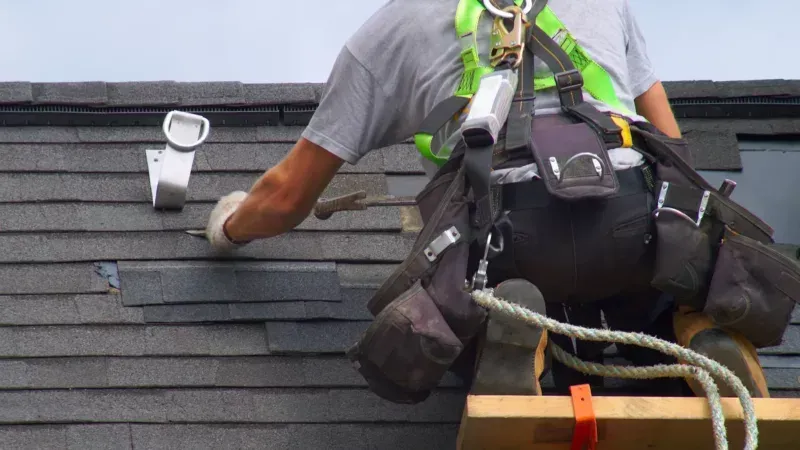
A roof does more than protect against rain and snow. It affects how well your home maintains consistent temperatures. Damaged shingles, aging materials, or poor installation can allow air infiltration. If your roof is nearing the end of its lifespan, replacing it may provide an opportunity to upgrade insulation and ventilation at the same time.
Work With Professionals When Needed
Some insulation upgrades are simple, but larger improvements require proper planning. Poor installation can lead to moisture issues, airflow problems, and higher costs later. A professional assessment helps identify where your home is losing energy and what fixes will make the biggest impact.
If you’re ready to improve your home’s efficiency, 180 Contractors can help. From attic insulation to roofing and exterior upgrades, we’ll recommend practical solutions that fit your home and budget.
Contact us today to get a free estimate!