Roof repairs can be one of the most expensive home maintenance tasks a homeowner faces—especially when problems are ignored until it’s too late. However, early detection of roof issues can dramatically reduce the cost of repairs and even extend your roof’s overall lifespan. In this blog, we’ll explore practical tips for spotting roof problems early and explain how proactive maintenance can save you money.
Why Early Detection Saves You Money
The longer a roofing issue goes unnoticed, the more damage it can cause—not just to the roof, but to your home’s structural components as well. Water intrusion can lead to mold growth, insulation damage, rotted framing, and stained ceilings. By catching minor signs like cracked shingles or flashing gaps early, homeowners can avoid major repairs or even a full replacement.
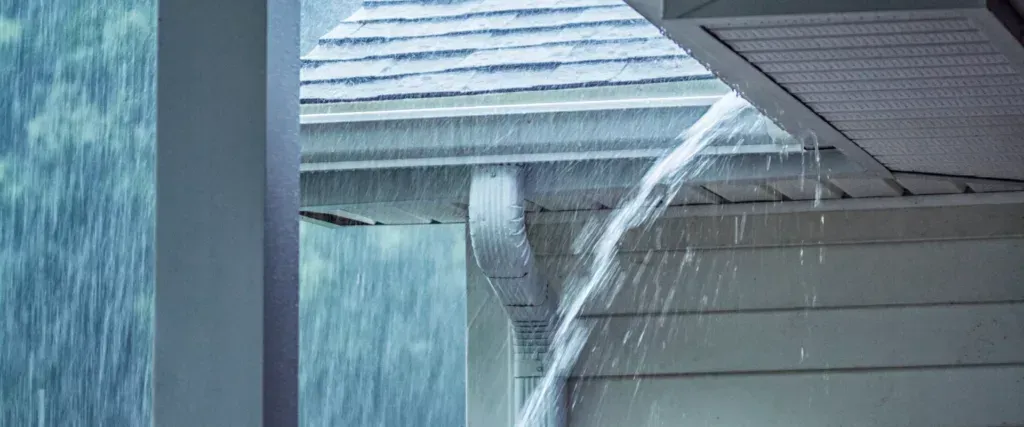
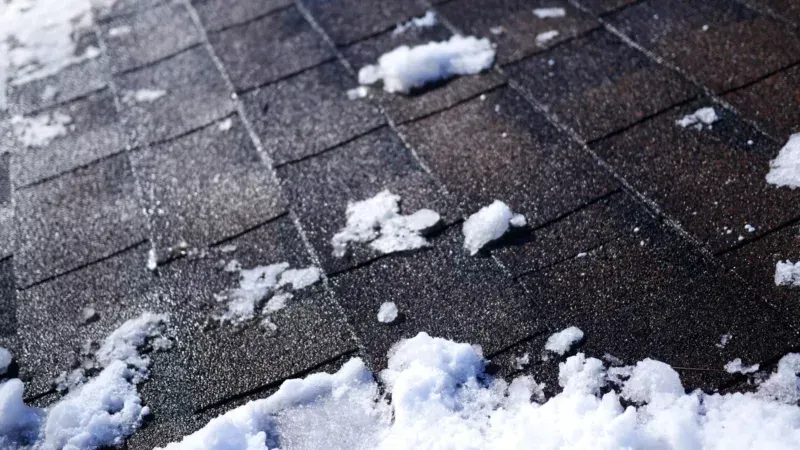
In Bloomfield Hills, MI, fluctuating weather conditions—from snow and ice in winter to storms in summer—can accelerate wear and tear on your roof. A proactive approach is crucial in areas with such dynamic climates.
Warning Signs to Watch For
Spotting problems before they grow into costly repairs is all about knowing what to look for. Key warning signs include:
1. Discolored or Stained Ceilings
Brown or yellow spots on your ceiling are strong indicators of water infiltration. These stains often mean there’s already a leak in your roofing system. The sooner you address it, the less likely it is that mold or rot will develop.
2. Curling or Missing Shingles
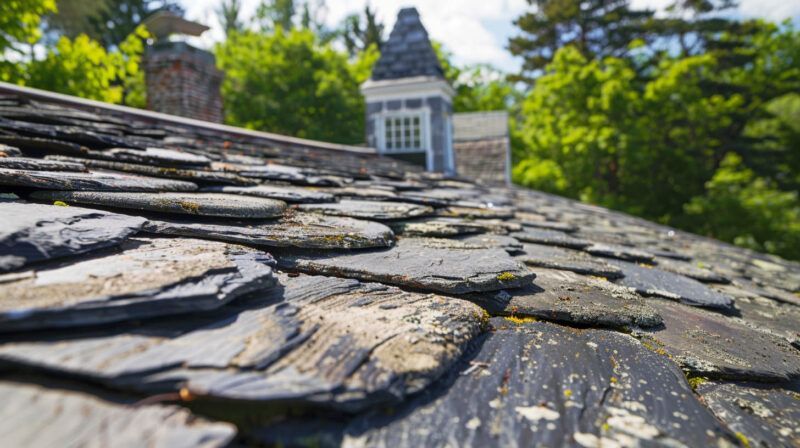
High winds or improper ventilation can cause shingles to curl or blow off entirely. Missing shingles expose the underlayment, allowing water to seep into your roof’s structure. This is one of the easiest problems to identify from the ground or with a quick inspection.
3. Granule Loss in Gutters
If you notice asphalt granules collecting in your gutters or downspouts, it’s a sign that your shingles are deteriorating. Granules protect against UV rays and provide fire resistance, so their loss can weaken your roof’s performance.
4. Rusted or Damaged Flashing
Flashing around chimneys, skylights, and vents keeps water out of vulnerable areas. If it’s rusting, cracked, or peeling away, water will find its way in.
The Importance of Regular Inspections
Don’t wait for a major leak to inspect your roof. Schedule a roof checkup at least once a year and after every significant storm. Inspections help identify loose flashing, cracked vents, clogged gutters, and other issues before they become expensive repairs.
Professional inspections are especially beneficial. Roofing experts know where to look and can spot subtle signs of damage that might go unnoticed to the untrained eye.
Use High-Quality Materials
A long-lasting roof starts with quality materials. Using durable products from trusted brands, like Owens Corning, not only reduces the frequency of repairs but also ensures long-term resistance to severe weather. It’s always more cost-effective to do the job right the first time with materials built to last.
Get Repairs Done by Experts
DIY repairs might save money up front, but improper work can lead to even bigger problems down the road. Hiring trained professionals who understand roofing systems, local weather conditions, and product specifications is a wise investment.
For homeowners in Michigan, 180 Contractors Roofing & Siding offers expert service backed by years of experience. Their team delivers honest assessments and reliable solutions, helping you catch and correct problems before they escalate.
Final Thoughts
Roof repairs don’t have to break your budget. By taking the time to monitor your roof for early warning signs and investing in regular inspections, you can keep small problems from turning into major headaches. Stay vigilant, work with trusted contractors, and choose quality materials for the best results.
Read also our blog:
The Lifespan of Asphalt Shingles Explained