How to Obtain a Fair and Accurate Roofing Estimate Near You

180 Contractors • July 2, 2023

How to Obtain a Fair and Accurate Roofing Estimate Near You

Whether you’re a first-time homeowner or a seasoned property investor, navigating the world of residential roofing can often feel like a challenging venture. Particularly when it comes to obtaining an accurate roofing estimate. Your roof isn’t just another feature of your home; it’s an essential component that safeguards your living space, shielding it against the elements. The quality of your roof directly impacts the value of your property and the comfort of your family. Therefore, securing a fair and precise estimate is about more than just crunching numbers; it’s about securing peace of mind and ensuring your investment’s longevity.


In this comprehensive guide, we’ve gathered our expertise to empower you with the knowledge you need to confidently navigate the process of obtaining an accurate roofing estimate near you. You will gain insight into the core components of a roofing estimate, learn how to identify and select reliable roofing contractors, and understand the nuances of interviewing potential contractors. By the end of this guide, we aim to equip you with the knowledge and confidence you need to ensure that the roofing estimate you receive is transparent, comprehensive, and most importantly, accurately reflects your specific roofing needs.


Understanding Roofing Estimates

Before we dive into the practical steps of finding a roofing contractor, it’s crucial to grasp what a roofing estimate actually comprises. A comprehensive roofing estimate is a detailed breakdown that includes the costs for materials, labor, warranty, and overhead. Each of these components plays a vital role in determining the overall cost of your roofing project, and understanding them is key to obtaining an accurate estimate.


Material costs are influenced by the type and quality of the roofing materials you choose. Whether you opt for asphalt shingles, metal roofing, or high-end materials like slate or clay tiles, each comes with its unique pricing structure.


Labor costs are derived from the complexity of the job and the estimated time it will take to complete. This takes into account factors such as the size of your roof, its pitch, and any specific challenges that might affect the installation process.


The warranty section of your estimate covers any guarantees provided by the contractor on their work. These can vary widely, from short-term coverage of just a few years to warranties that extend over several decades.


Overhead costs might seem unrelated to your roof but bear in mind that reliable, reputable roofing businesses have operating costs that are factored into your estimate. These include insurance, office expenses, professional licensing, and equipment maintenance, among others.


It’s worth noting that estimates can vary from the final costs due to unforeseen complications that may arise during the roofing process. These can include hidden water damage, structural issues, or other unforeseen challenges that need to be addressed during the roofing project.


However, a higher estimate can often be justified by the use of superior materials, skilled labor, and a robust warranty. It’s essential to remember that with roofing, as with many things in life, the quality of the results often reflects the quality of the investment


Steps to Finding Roofing Contractors

Now that you’re equipped with the knowledge of what comprises a roofing estimate, we journey into the crucial step of finding local roofing contractors who can provide these estimates. You want to ensure that the professionals you choose are not only skilled and experienced but also reliable and dedicated to delivering the highest quality work.


Begin your research by conducting a comprehensive online search to identify reputable roofing contractors in your vicinity. Target keywords such as “roofing contractors near you” or “best roofing companies in [Your City/Region].” You’ll likely be presented with a list of local companies, many of which will have customer reviews.


Testimonials and reviews from previous customers offer invaluable insights into a company’s reliability and quality of work. Spend time combing through these reviews, paying attention to how the contractor handles criticisms or complaints, the quality of their customer service, and the overall satisfaction of previous clients.


However, don’t limit your research to the virtual world. Leverage your local network by reaching out to friends, neighbors, or local real estate professionals. Personal recommendations often yield valuable, unfiltered insights about a contractor’s strengths and weaknesses. A contractor who comes highly recommended by trusted individuals in your network might be worth considering.


Finally, cross-reference your shortlisted contractors with professional organizations like the Better Business Bureau (BBB) or local trade associations. These platforms can provide additional assurance of a contractor’s professionalism and adherence to industry standards.


Interviewing Potential Roofing Contractors

Having created a shortlist of potential contractors, you’re now ready for one of the most critical steps in the process – the interview. This is your opportunity to engage directly with the contractors, gauge their competency, professionalism, and commitment to their craft.


Go into each interview equipped with a set of prepared questions. These should cover a wide range of topics such as their experience with projects similar to yours, the expertise of their team, their approach to project management, contingency plans for unexpected issues, their communication process, and more.


Inquire about their previous projects and if possible, ask for a portfolio or client references. A contractor confident in their work will be more than willing to showcase it and provide references. Reach out to these references and ask about their experiences with the contractor, the quality of the work, and their overall satisfaction with the project.


Look out for red flags during these discussions. Does the contractor seem elusive or avoid answering your questions directly? Do they seem unsure or vague about specific project details? Are they rushing through the interview, trying to secure a contract without proper engagement? If you notice any of these warning signs, it may be best to continue your search.


Remember, securing an accurate roofing estimate isn’t merely about the numbers on the final quote. It’s a comprehensive process involving understanding the various elements that constitute an estimate, finding the right contractors, and asking the right questions to ensure that the contractor you select aligns with your project’s needs and your expectations.


In our subsequent sections, we’ll delve deeper into understanding different roofing materials, deciphering the fine print of roofing contracts, and demystifying the world of roofing warranties. Stay tuned as we continue to unravel the intricacies of obtaining an accurate roofing estimate.’


The Benefits and Pitfalls of Online Roof Quotes

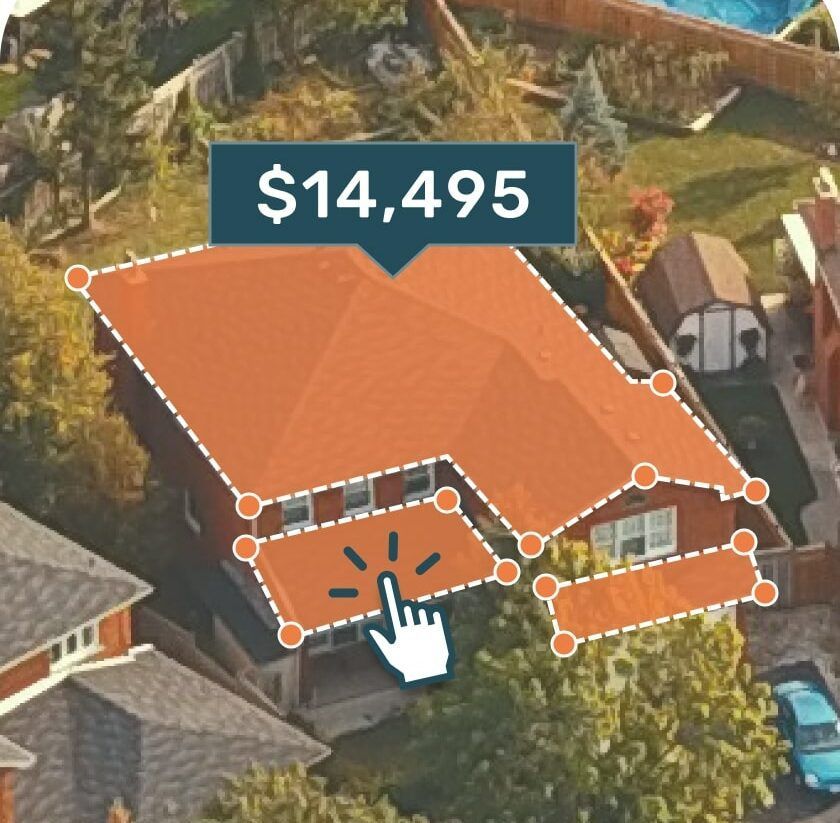
In this digital age, more and more roofing contractors are offering the convenience of instant online quotes. This is an innovative approach that leverages technology to provide potential customers with a quick and easy preliminary cost estimate. Such online estimates can be a helpful starting point, especially when you’re in the initial stages of planning your roofing project.


Online quotes typically take into account basic information such as roof size, roof pitch, material preference, and sometimes even images or drone footage of your property. However, as practical as online quotes may seem, they have their advantages and drawbacks.


On the plus side, online quotes are fast, convenient, and require no commitment. You can access them from the comfort of your home at any time. They offer a preliminary glimpse into potential costs, helping you to budget accordingly. Often times, they can be highly accurate bar no unforeseen concerns like multiple existing layers, damaged or mildewy decking, ventilation concerns and more.


However, it’s crucial to bear in mind that these quotes are typically based on generalized algorithms and lack the specificity of an in-person evaluation. While they can provide a reasonable ballpark figure with great accuracy, they might not account for unique aspects of your roof or unanticipated complexities. The accuracy of online quotes can vary based on the information you provide and the algorithm used by the company.


The Importance of On-Site Visits for Accurate Roofing Estimates

Despite the convenience of online estimates, nothing quite replaces the accuracy and comprehensiveness of an on-site roofing inspection by a professional. It’s during these on-site visits that contractors can thoroughly examine your roof, identify potential issues, assess the intricacies of the project, and consequently provide a more accurate roofing estimate.


A professional on-site roofing inspection typically involves a complete evaluation of your existing roof, examination of your home’s structure, assessment of your attic ventilation and insulation, as well as the identification of any potential issues that might affect the roofing process such as damaged shingles, flashing, or underlying water damage.


On-site visits are particularly critical in Michigan due to the state’s unique climate conditions. Michigan’s weather, characterized by cold, snowy winters and hot, humid summers, can significantly impact your roof’s condition over time. An on-site inspection can identify weather-related damage that might not be visible in photographs or from a ground-level view.


When basing online estimates, we can get very close with shingle replacement pricing. Let’s consider a real-life instance where an on-site visit drastically altered the initial estimate. A homeowner, based on an online quote, was expecting a straightforward shingle replacement. However, the on-site inspection revealed substantial water damage to the underlying roof decking, caused by Michigan’s harsh winter snow and ice dams. This added a significant cost to the project, which was not factored into the initial online quote. That is why any reputable company offering online roofing quotes will follow up with an online assessment before installing the roof with the instant online quote. Construction can have many unforeseen hiccups without the proper processes in place and catching those unforeseen hiccups beforehand can play a role in the larger variability in pricing between roofing companies quotes.


While this scenario might seem disheartening, it underlines the importance of on-site visits. Without it, the homeowner could have proceeded based on the online quote, not realizing the extent of the damage. The resulting poor quality work could have led to more substantial issues and costs in the future.


As such, an accurate roofing estimate is a culmination of several factors: understanding the core components, thorough research, detailed interviews, and comprehensive on-site inspections. While technology provides us with valuable tools like online quotes, they are best used in conjunction with traditional methods for the most accurate results. Stay tuned as we continue to guide you through the complex world of roofing estimates, ensuring you’re well-equipped to make informed decisions about your home’s roofing needs.


Why Does the Same Product Cost Differ from Different Companies?

If you’ve ever sought multiple quotes for a roofing project, you’ve likely encountered a surprising scenario: the same product quoted at different prices by different companies. The reason for this lies in various factors that go beyond the base cost of the materials.


Firstly, business overhead is a significant contributor to price variations. Operating costs, insurance, professional licensing, staff salaries, and office expenses are all elements of overhead that a reliable, reputable roofing business will factor into your estimate. The failure of roofing companies is staggering and it is important to remember that roofing companies warranty a service that is supposed to last decades. This means that reputable roofing companies must build in enough overhead to provide a lasting peace of mind that they will be there when you need them.


Secondly, the quality of service can drastically impact the price. A contractor that offers superior craftsmanship, uses state-of-the-art equipment, and commits to ongoing professional training for their team might charge more than one that doesn’t.

Thirdly, the details and extent of the warranties provided can cause a price shift. A comprehensive warranty that offers long-term coverage and peace of mind will typically add to the overall cost.


Finally, value-added services like regular maintenance, inspection services, or debris cleanup can also influence the cost.

When comparing different estimates, it’s essential to ensure you’re making an “apples-to-apples” comparison. This means looking beyond just the bottom line and understanding the specifics of what each estimate includes. Remember, the cheapest option may not always be the best. For instance, a contractor offering a low price but skimping on a comprehensive warranty could end up costing you more in the long run if issues arise post-installation.


How to Ensure You’re Getting a Fair and Accurate Roofing Estimate

Getting an accurate roofing estimate can feel daunting, but there are practical steps you can take to ensure you’re on the right track. First, always obtain multiple estimates. This allows you to compare what different contractors are offering and at what price.


Next, don’t be shy about checking references. A reliable contractor will readily provide references from previous clients. Contact these individuals and ask about their experiences with the contractor, the quality of the work, and their overall satisfaction with the project.


Lastly, always insist on a written, itemized estimate. This should break down the cost of materials, labor, overhead, and any additional services. Having this in black and white eliminates any potential for misunderstandings and gives you a clear understanding of where your money is going.


Conclusion For Obtaining An Accurate Roofing Estimate

Obtaining an accurate roofing estimate near you is an important part of maintaining, repairing, or replacing your roof. It involves understanding the components of an estimate, researching and interviewing potential contractors, utilizing online estimates, recognizing the importance of on-site inspections, and knowing how to compare estimates accurately.


Remember, the cheapest estimate isn’t necessarily the best. A higher-priced estimate can often justify itself through superior materials, skilled labor, and a robust warranty. In roofing, as in life, the quality of results often reflects the quality of the investment.


Instant Online Quotes Paired With A Complimentary On-Site Estimate For Michigan Homeowner – The 180 Difference

If you’re seeking a detailed, accurate roofing estimate in Michigan, look no further. Our team at 180 Contractors prides itself on providing fair, detailed, and accurate estimates. We understand the importance of your roofing project and commit to delivering quality workmanship, superior materials, and unparalleled customer service.


Don’t navigate the complex world of roofing alone. Let our experienced team guide you through the process. Contact us today for an accurate roofing estimate that considers every aspect of your project, giving you a comprehensive view of your investment. We’re here to make your roofing project as seamless, transparent, and successful as possible. Reach out today and experience the 180 difference!

GET A FREE QUOTE

Share this article

Recent Posts

By 180 Contractors July 25, 2026
Roof Ventilation 101 Roof ventilation includes ensuring that proper flow of air takes place in your roof. This is achieved mostly with the help of roof vents or attic vents. Roof ventilation is as important as kitchen ventilation or bathroom ventilation. When a problem arises in any of these vents, a host of issues come about and cause unnecessary trouble. Similarly, if your house lacks proper roof ventilation, then it is only a matter of time before you start to face some grave consequences. If you’re new to this whole topic of roof venting, then don’t worry. In this blog we’re going to discuss in depth about the importance of roof ventilation, conditions that clearly depict that your roof has an inadequate roof ventilation system and all the types of roof vents that are available for you to choose from. Importance of Roof Ventilation: Roof Ventilation In Summers- Warm air rises up and causes the roof deck of your house to heat up. If your roof lacks proper ventilation, then this built-up air will warm the ceilings of your house too, in turn increasing the temperature of the rooms of your house. If there is heat exposure from the interiors of your roof, for a prolonged time then the roofing shingles will age faster than they are supposed to and this will considerably decrease the lifespan of your roof. If your roof gets heated up then the trapped air inside your attic will transfer the heat to the interior rooms of your house and will force you to use air conditioning systems resulting in high utility costs. Roof Ventilation In Winters- Warm air that is trapped in the attic condenses on colder surfaces resulting in the formation of little water droplets that make your attic dampen and moist. The interior of your roof can get severely affected owing to the excess moisture content in your attic. This will lead to the formation of mold and mildew as these fungi thrive in cold and damp areas that do not receive enough sunlight. Warm air in the attic will cause snow on the rooftop to melt at different time spans leading to uneven roof surface temperatures. Snow collected at the top of the roof will melt faster than the snow load at the edges of the roof and this will form highly problematic ice dams. How to Understand that your Roof Ventilation isn’t Functioning Well? Formation of Frost on Wooden Beams Frost is an important sign that depicts poor roof ventilation system. If you notice frost appearing in the underside of your roof shingles and in your attic then it is due to the moisture stuck in your attic that is unable to filter out because of poor ventilation. Damp Insulation If you find that your house is warmer in summers and colder in winters then it is probably due to your ill-functioning insulation. To do its work properly, your insulation needs to stay fluffy and damp-free. Accumulation of moisture in the attic due to inadequate attic ventilation is the main cause behind roof insulation not working as it should. Ice-dams on the Roof If there is formation of icicles on the edge of your roof during winters, then it is an alarming reminder that your roof ventilation is done in a poor way. Because of improper attic ventilation, the surface of your roof gets heated up at dissimilar intensities. The areas of your roof that are directly in contact with the warm air rising from the inside, will grow warmer and cause the snow to melt faster. Whereas the snow at the edge will take a prolonged time to melt. This will give rise to ice dams on your roof. Molten ice will get clogged and infiltrate your roof shingles causing them to rot and swell up. Types of Roof Vents Available: Box Vent- These vents resemble a box and are installed at the top of the roof to ensure that the hot air rising from within gets vented out through these. A single box vent does not take up much space and is comparatively smaller in size; depending on the surface area of your roof, you might need to install more than one box vents to ensure proper roof ventilation. View all types of roof vents available here. Ridge Vent- These vents have a low profile which makes it almost impossible to spot from afar. These are placed at the top of your roof, preferably along the ridgeline. Since these are placed like a stationary hinge, it lets the warm air vent out of the attic from the minute gap where two slopes of your roof meet. This ridge is big enough for the air to pass out but it prevents rain and critters from getting inside your attic. Soffit Vent- Unlike the ridge vents and box vents, Soffit vents are placed at the bottom of the roof, underneath the eaves. Soffit vents can be installed on their own to ensure attic ventilation but these work better when installed in combination with box vents or ridge vents. Power Vent- These vents as the name suggests, requires electric supply to function properly. These are wired with your home’s electrical system but can run on solar panels too. Since these lead to added energy investments, a homeowner must ensure that these are not running when there isn’t any need for it. A thermometer and a humidistat can help you understand when your power vents need to be switched on. Turbine Vent- If you live in a windy climate, then this roof ventilation system is your best option. With heavy wind, the turbine attached to these vents spin really hard moving warm air out of the attic. A lot of homeowners end up taking their roof ventilation for granted. If left unattended, roof ventilation problems can lead to far bigger problems which can end up damaging your whole roof and forcing you to go for a roof replacement. Avoid such situations and go for any of these roof vents that are mentioned above and you wouldn’t need to worry about your attic ventilation ever again. Contact Michigan’s premier roofing company to consult about roof ventilation options here.
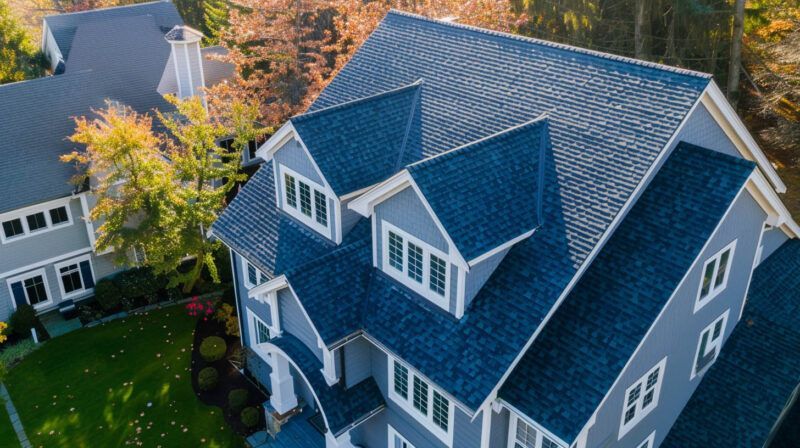
Aerial view of a large blue-gray house with dormer windows and a landscaped yard in autumn
By 180 Contractors May 14, 2026
Your roof works silently year after year, shielding your home from rain, wind, sun, and snow. But like every part of your home, it doesn’t last forever. The key is knowing when repair is no longer enough—and a full roof replacement is the smarter, safer move. For homeowners in Bloomfield Hills, MI, where intense season
Rainwater pouring from a house roof and gutter during a storm
By 180 Contractors April 13, 2026
Michigan weather can be tough on homes, especially when it comes to your roof. From heavy snow in the winter to strong thunderstorms in the summer, each season brings conditions that can wear down roofing materials over time. Knowing how these storms affect your roof can help you catch problems early and avoid more ser