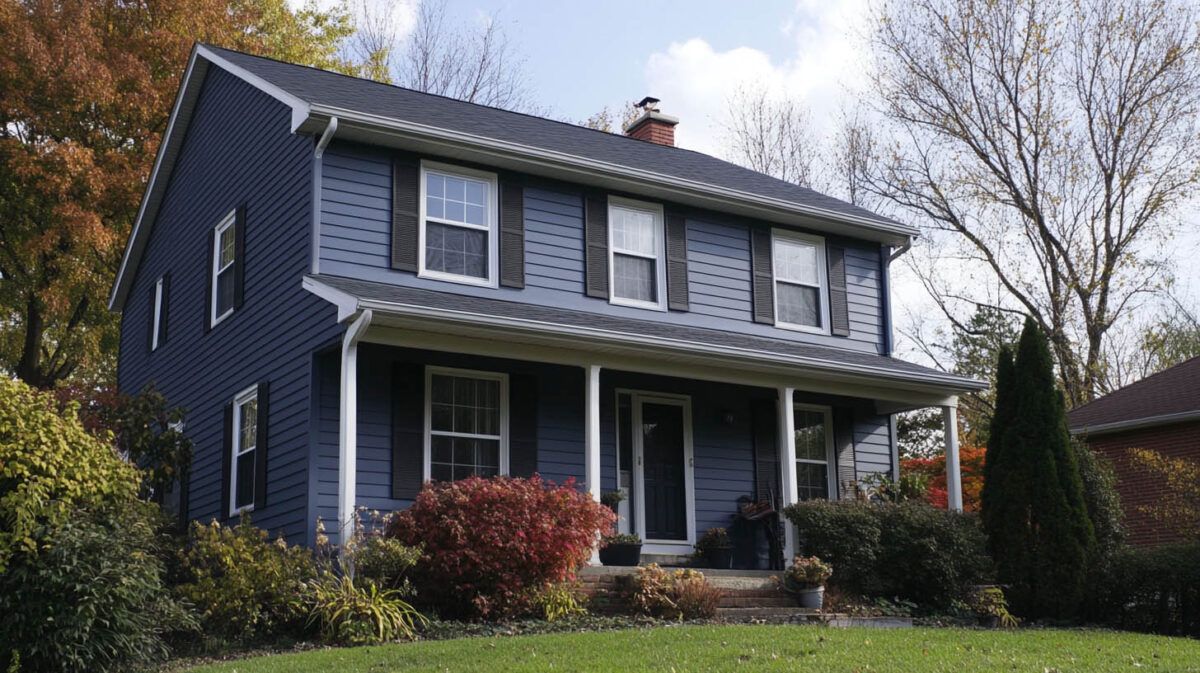
Vinyl siding is a popular choice for homeowners due to its affordability, durability, and low maintenance. However, one common issue that can arise is the popping noise that occurs as the material expands and contracts with temperature changes. These noises can be disruptive and may indicate improper installation or material defects. In this comprehensive guide, we explore the causes of vinyl siding popping, how to prevent it, and the best solutions to keep your home exterior in excellent condition.
Understanding the Causes of Vinyl Siding Popping
Vinyl siding expands and contracts with fluctuations in temperature. When installed correctly, it should have enough room to shift slightly without putting stress on the fasteners or the structure itself. However, if mistakes are made during installation or if environmental factors contribute to excessive movement, popping noises can occur.
1. Improper Nailing Techniques
One of the primary reasons for popping noises is improper nailing. If nails are driven too tightly into the siding, they restrict natural expansion and contraction. This causes stress on the panels, leading to sudden popping sounds when the temperature changes.
How to Avoid This:
- Nails should be placed in the center of the nailing slot rather than at the edges.
- A gap of about 1/32 inch should be left between the nail head and the siding to allow movement.
- The nails should penetrate at least ¾ inch into the sheathing but not too deep to restrict movement.
2. Poorly Aligned Siding Panels
If the panels are not properly aligned or interlocked, they may not have sufficient room to move, causing them to rub against each other and produce noise.
How to Fix:
- Ensure each section of siding can shift at least ¼ inch horizontally when lightly pushed.
- Reinstall misaligned panels to allow natural movement.
3. Wind and Air Pressure Effects
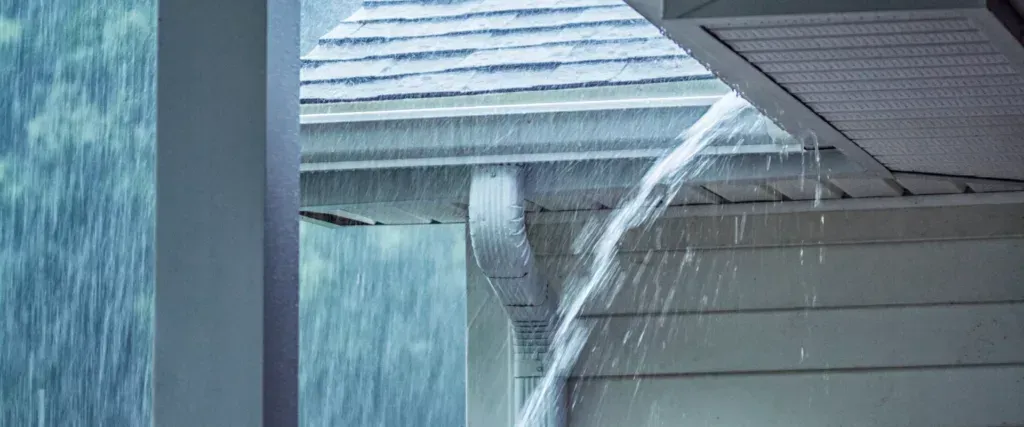
Strong winds can cause siding to flex and create a whistling or wailing sound, especially if there are gaps or weak attachment points. This can be mistaken for popping noises.
Prevention Tips:
- Use high-quality vinyl siding with proper thickness and rigidity.
- Secure all seams properly to prevent wind from penetrating behind the siding.
- Consider adding insulation or backing material to stabilize the siding.
4. Temperature Fluctuations and Expansion
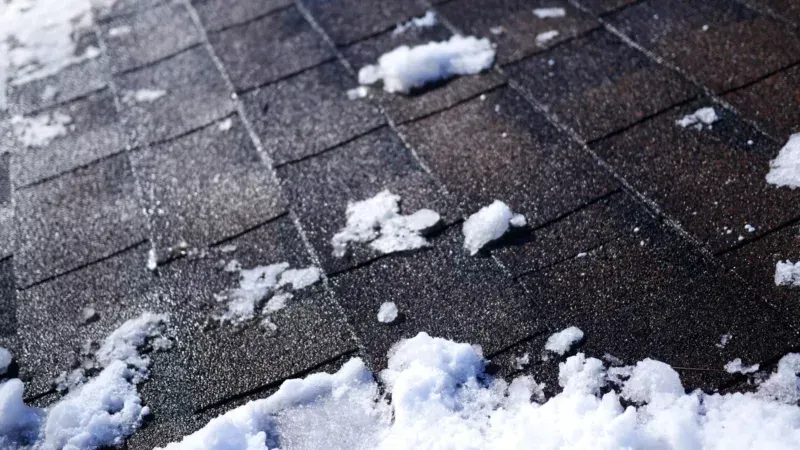
Vinyl siding expands in hot weather and contracts when it gets cold. If not installed correctly, the movement can lead to repeated creaking or popping sounds.
Best Practices:
- Always install vinyl siding in moderate temperatures to avoid excessive expansion or contraction at the time of installation.
- Leave a small gap between the siding and trim to allow for movement.
- Avoid installing siding on an extremely hot or cold day to prevent improper fitting.
Step-by-Step Guide to Checking Your Vinyl Siding Installation
To determine if your siding is installed correctly and has the necessary flexibility:
- Try sliding each panel horizontally. It should shift about ¼ inch in either direction.
- If it does not move at all, it is nailed too tightly and may need to be reinstalled.
- If the panels are loose or have visible gaps, they may not be securely fastened and could cause noise.
- Look for signs of warping or bulging, which indicate expansion issues.
If your siding fails any of these tests, consider consulting a professional to correct the installation.
Best Materials and Installation Practices to Prevent Popping
Choosing High-Quality Vinyl Siding
Not all vinyl siding products are created equal. Selecting high-quality siding from reputable brands ensures better durability and resistance to weather changes.
Recommended siding features:
- Thicker panels (at least .044 inches) – Provide better stability and resistance to warping.
- Insulated backing – Helps reduce movement and enhances energy efficiency.
- UV-resistant coatings –
Prevents fading and deterioration from sun exposure.
Professional Installation for Long-Term Durability
To ensure your siding remains quiet and functional for years, hire experienced siding professionals who understand best installation practices.
Importance of Proper Ventilation
Proper attic and wall ventilation help regulate temperature changes and reduce excessive expansion or contraction of siding. Installing vents or moisture barriers can minimize temperature fluctuations that contribute to popping noises.
When to Consider Siding Replacement
If your home consistently experiences popping, whistling, or creaking sounds despite attempts to fix them, it may be time to replace the siding altogether. Signs that indicate a need for replacement include:
- Visible warping or buckling – Suggests extensive expansion issues.
- Persistent noise despite adjustments – Indicates underlying installation problems.
- Cracks or damage in panels –
May lead to moisture infiltration and structural problems.
For homeowners looking for reliable siding solutions, 180 Contractors Roofing & Siding in Waterford, MI, offers expert installation and high-quality materials to ensure long-lasting and quiet vinyl siding performance.
Our Certifications and Trusted Brands
At 180 Contractors Roofing & Siding, we are committed to excellence in siding installation and home exterior solutions. Our credentials include:
- BBB A+ Accredited – Recognized for superior customer service.
- Guildmaster (GuildQuality) – Awarded for outstanding craftsmanship.
- INC 5000 – Ranked among the fastest-growing companies.
- Google Guaranteed – Verified and trusted by homeowners.
- Qualified Remodeler Top 100 Satisfaction – Acknowledged for exceptional project results.
We proudly install products from James Hardie, Alside, and Everlast, ensuring premium materials and superior performance.
Frequently Asked Questions
1. Why does my vinyl siding make popping noises?
Popping sounds occur due to expansion and contraction caused by temperature changes, especially if the siding was nailed too tightly or installed incorrectly.
2. Can I fix siding popping noises without replacing the siding?
Yes, minor issues can often be resolved by adjusting nails, realigning panels, or improving ventilation. However, persistent noises may require professional assessment.
3. How do I know if my vinyl siding is properly installed?
Check if the panels can shift about ¼ inch horizontally. If they are rigid or too loose, installation may not be correct.
4. What is the best type of vinyl siding to prevent popping?
High-quality, thicker vinyl siding with insulated backing and UV resistance provides better durability and reduces movement-related noises.
5. Should I hire a professional to fix my siding, or can I do it myself?
While minor adjustments can be done by homeowners, professional siding contractors ensure proper installation, preventing long-term issues.
Conclusion
Popping noises in vinyl siding are often caused by improper installation, temperature fluctuations, and wind effects. By selecting high-quality materials, following best installation practices, and ensuring proper ventilation, homeowners can minimize noise issues and maintain a durable, aesthetically pleasing exterior. If you are experiencing persistent problems with your siding, professional consultation and replacement may be necessary for long-term solutions.
Read also our blog:
How to Select the Best Siding for Your Home in Rochester Hills