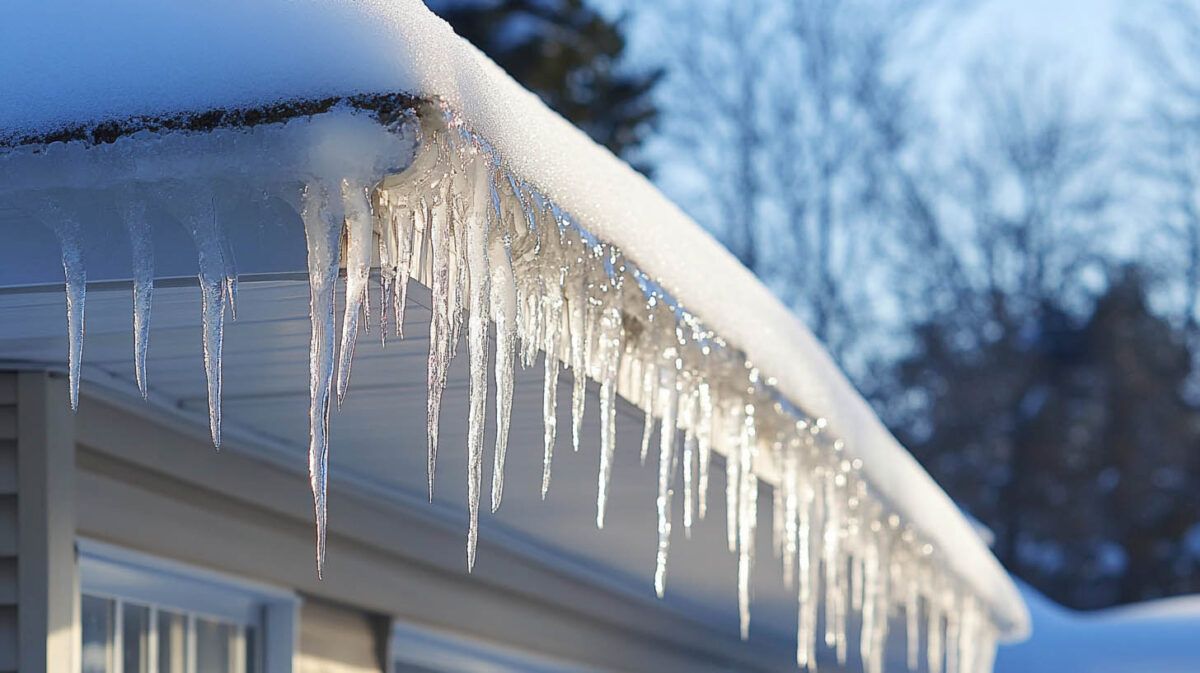
Ice dams are one of the most damaging winter roofing issues homeowners face in colder regions like Waterford, MI. They might look harmless—a row of icicles lining the edge of your roof—but ice dams can trap melting snow, force water under shingles, and cause leaks, mold, and structural damage.
At
180 Contractors Roofing & Siding, we’ve helped hundreds of homeowners deal with the consequences of ice dam damage. The good news? With the right preparation and strategy, you can prevent ice dams from forming in the first place.
What Is an Ice Dam?
An ice dam forms when heat escapes your attic and melts the snow on your roof. The melted water flows downward, only to refreeze at the colder eaves (roof edges). Over time, this ice builds into a “dam” that blocks additional meltwater, forcing it to pool and leak under your shingles.
This backup of water can damage the roof decking, insulation, drywall, and even your home’s interior. The key to prevention lies in understanding and controlling the factors that contribute to ice dam formation.
Why Ice Dams Are a Problem in Waterford, MI
The freeze-thaw cycle common in Michigan winters makes homes in Waterford, MI particularly vulnerable. Temperatures fluctuate just enough to melt snow during the day and refreeze it at night—an ideal environment for recurring ice dams.
Without proper ventilation, insulation, and roof drainage, even newer roofs can develop leaks, leading to expensive repairs.
Step 1: Improve Attic Insulation
A warm attic means a warm roof, which leads to uneven snow melt. The first line of defense is a properly insulated attic. Aim for at least R-38 insulation (about 10–14 inches of fiberglass or cellulose) to prevent indoor heat from rising into the roof deck.
Ensure insulation is evenly distributed across the attic floor to eliminate hot spots. Adding more insulation is one of the most cost-effective and energy-efficient ways to prevent ice dams.
Step 2: Ensure Adequate Ventilation
Cold air should flow through your attic to keep the roof surface cold and minimize snow melting. Your ventilation system should include:
- Soffit vents that bring in cold air
- Ridge vents that allow warm air to escape
- Baffles that maintain airflow without blocking insulation
Balanced ventilation prevents condensation and keeps roof temperatures consistent—two key factors in stopping ice dam formation.
Step 3: Seal Air Leaks
Warm air escapes into your attic through gaps around light fixtures, plumbing vents, chimneys, and attic hatches. Seal these air leaks with spray foam, caulk, or weatherstripping to reduce heat transfer to the roof deck.
This step also improves energy efficiency and helps your insulation and ventilation system work more effectively.
Step 4: Use Ice and Water Shield
For added protection, especially in cold climates, have your contractor install an ice and water shield underlayment along the roof eaves. This waterproof barrier prevents melting ice from seeping into the roof deck and walls.
Premium products from brands like Owens Corning include these underlayments as part of complete roofing systems engineered for winter resilience.
Step 5: Keep Gutters Clean
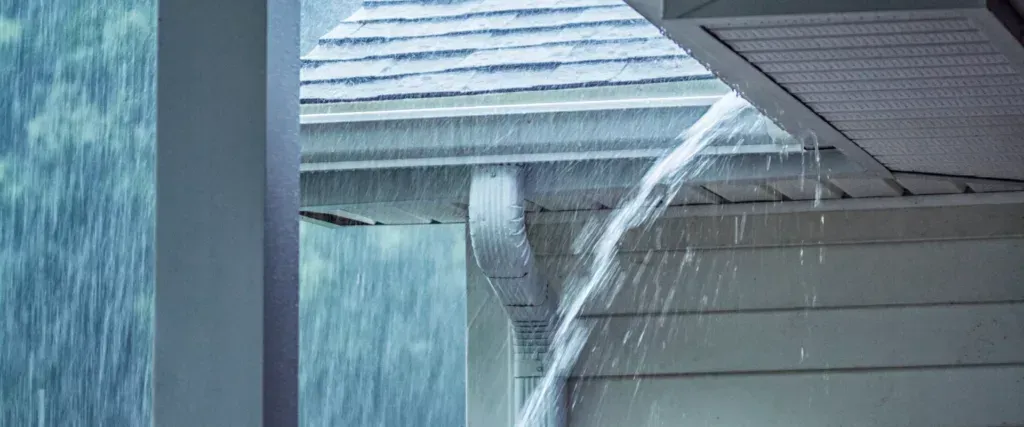
Clogged gutters can worsen ice dam formation by trapping water and allowing it to freeze. Before winter, clean out all leaves and debris. If your home has a history of ice dams, consider installing gutter guards or heating cables to promote continuous drainage.
Step 6: Safely Remove Snow
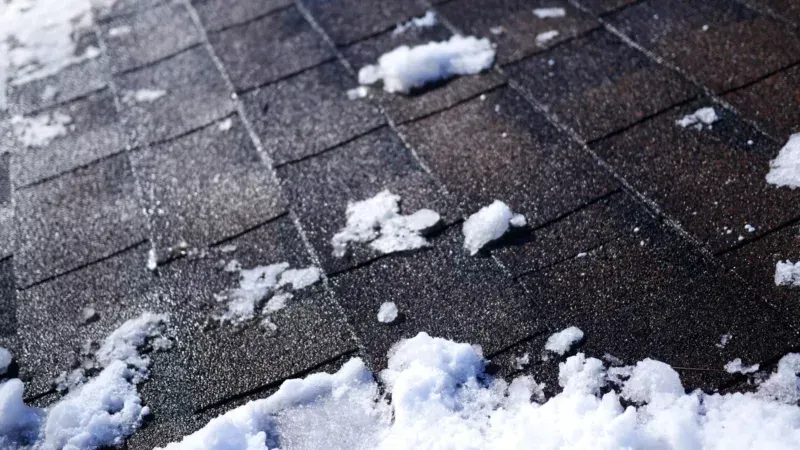
Removing snow from your roof can prevent the conditions that lead to ice dams. Use a roof rake with a long handle to clear snow from the lower 3–4 feet of your roof after heavy snowfall. Be cautious to avoid damaging shingles, and never use a ladder on icy surfaces.
If ice dams are already forming, call a professional for safe removal rather than chipping or breaking the ice yourself, which can cause more harm than good.
When to Call a Professional
Sometimes, no matter how many precautions you take, ice dams still form—especially after severe weather. If you see signs like interior water stains, icicles forming behind the gutter, or visible ice buildup, it’s time to bring in a roofing expert.
Professionals can inspect the issue, safely remove the ice, and recommend structural upgrades to prevent future problems.
Final Thoughts
Ice dams are preventable with proper planning, maintenance, and insulation. In Waterford, MI, where winter conditions can be harsh and unpredictable, now is the time to prepare your home. Whether you’re sealing air leaks, upgrading insulation, or installing better underlayment, taking proactive steps can save your roof from significant damage.
Read also our blog:
Roof Repair or Replacement? How to Make the Smartest Choice