Roof mold isn’t just an eyesore—it can shorten your roof’s lifespan and pose serious health risks if left untreated. In Waterford, MI, where humidity and seasonal rains can create the perfect environment for mold growth, it’s essential to address the issue promptly and safely. In this guide, we’ll walk you through how to safely remove mold from your roof and explain how 180 Contractors Roofing & Siding can assist with expert solutions to keep your home protected.
Why Mold on the Roof Is a Problem
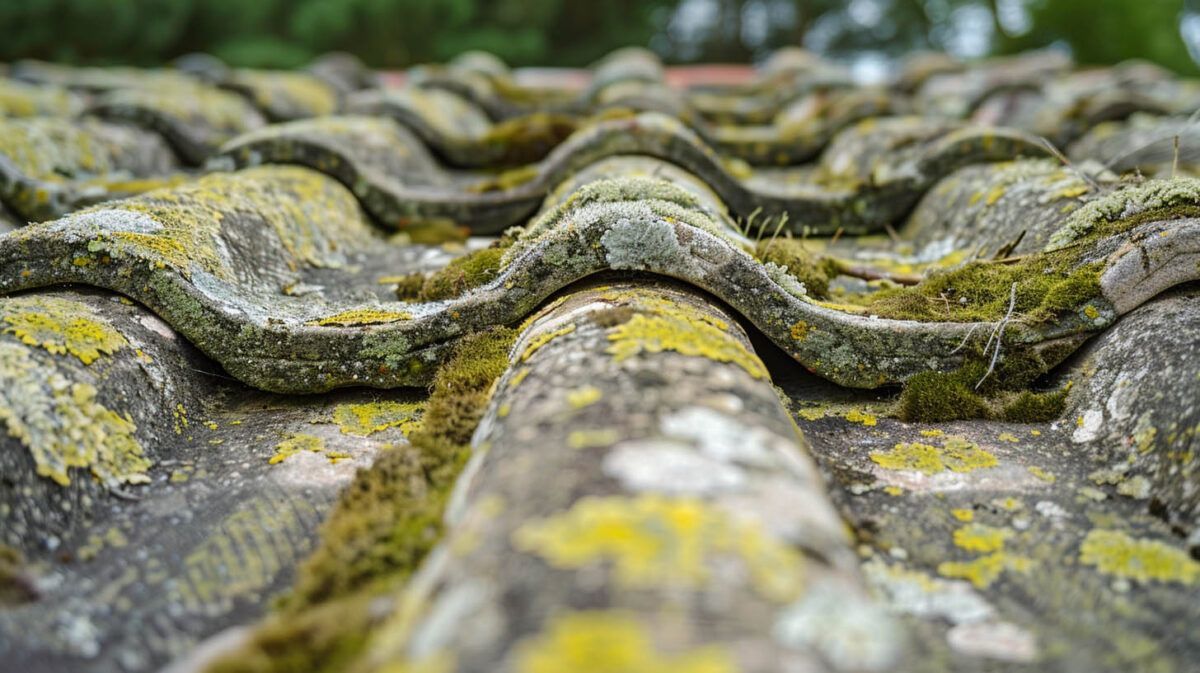
Mold and algae thrive in moist, shaded areas of the roof, often appearing as dark streaks or patches. These organisms can:
- Break down roofing materials over time
- Trap moisture and accelerate rot
- Reduce your home’s curb appeal
- Create airborne spores that impact indoor air quality
Timely removal not only preserves the roof’s integrity but also supports a healthier living environment.
Step 1: Inspect the Affected Areas
Use binoculars or a drone for a safe, ground-level inspection. Note where mold appears most concentrated—typically in shaded areas or places with poor drainage. Avoid walking on the roof unless absolutely necessary.
Step 2: Choose the Right Cleaning Solution
Avoid harsh chemicals like bleach, which can damage shingles and harm nearby landscaping. Instead, opt for:
- Oxygen-based cleaners:
Effective and eco-friendly
- Commercial roof cleaning products:
Designed to kill mold and algae without degrading materials
Always read the product instructions and wear protective gear, including gloves and safety glasses.
Step 3: Apply the Cleaner Gently
Using a pump sprayer or garden sprayer, apply the solution evenly across the moldy area. Let it sit for 15–30 minutes to penetrate the surface. Avoid pressure washing—especially on asphalt shingles—as this can strip granules and cause permanent damage.
Step 4: Rinse With Care
Use a garden hose with a low-pressure nozzle to rinse off the cleaner. Work from the top down to avoid forcing water under the shingles. If mold persists, you may need a second application.
Step 5: Prevent Future Growth
Once the mold is removed, take steps to discourage future infestations:
- Trim tree branches to increase sunlight exposure
- Improve roof ventilation
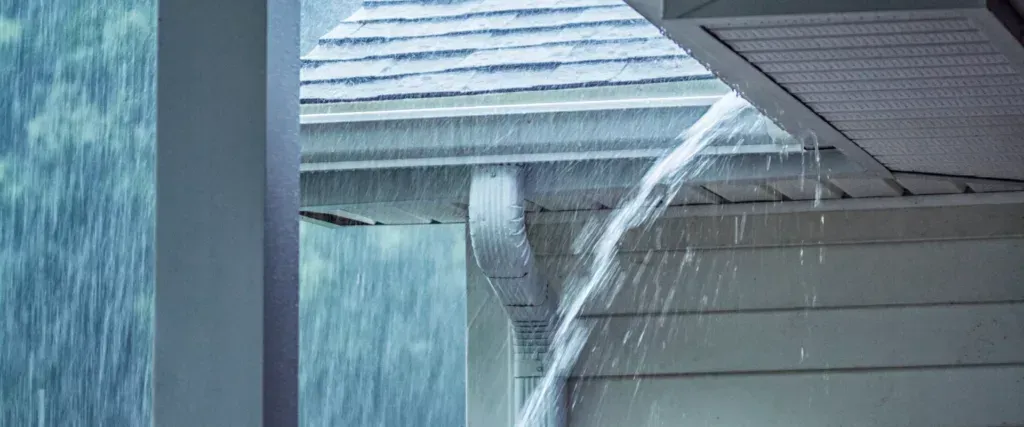
- Clean gutters regularly to prevent standing water
- Install zinc or copper strips at the roof ridge to inhibit mold and algae regrowth
When to Call a Professional
If mold covers a large portion of your roof, has penetrated beneath the shingles, or if you’re unsure about cleaning methods, it’s best to call in the experts. In Waterford, 180 Contractors Roofing & Siding provides safe, effective mold remediation and preventive treatments tailored to Michigan’s climate.
With certifications such as Owens Corning Preferred Contractor and a BBB A+ rating, they deliver solutions that preserve your roof’s condition and your home’s health.
Final Thoughts
Mold may seem like a minor issue at first, but it can quickly turn into a costly problem if ignored. By following the right techniques—or enlisting professional help—you can keep your roof clean, durable, and mold-free for years to come.
Read also our blog:
Roof Maintenance Tips for Historic Homes