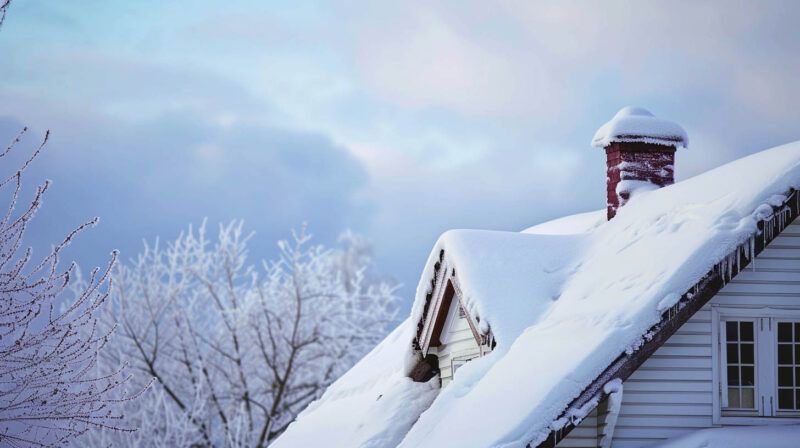
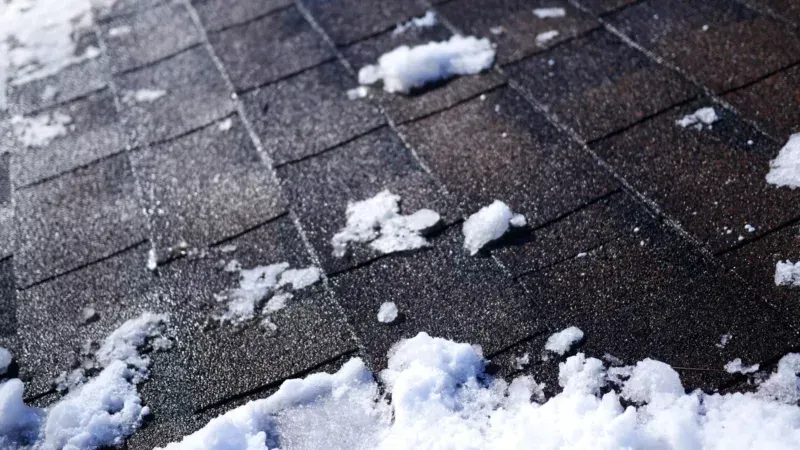
Michigan winters are no joke—especially in Bloomfield Hills, MI, where temperatures routinely dip below freezing and heavy snow becomes the norm. Your roof serves as the first line of defense against these punishing conditions. But extreme cold doesn’t just sit on top of your home—it penetrates and stresses your entire roofing system. If you want to avoid leaks, ice dams, and long-term structural issues, you need a proactive plan. In this blog, we’ll walk you through how to shield your roof from extreme cold and keep your home protected all winter long.
Why Cold Weather Is So Hard on Roofs
Freezing temperatures, snow accumulation, and wind chill can take a serious toll on even well-built roofs. Common winter hazards include:
- Ice dams that trap water under shingles
- Freeze-thaw cycles that crack flashing and sealants
- Snow overload that stresses decking and support beams
- Condensation that leads to attic mold or insulation damage
Without preparation, these issues can cause damage that lingers long after the snow melts.
1. Insulate and Ventilate Your Attic Properly
One of the most effective ways to protect your roof during extreme cold is from the inside out. A properly insulated attic keeps warm air in your home—and out of the attic where it doesn’t belong.
Warm air rising into a poorly insulated attic melts snow on the roof, which then refreezes at the edges, causing damaging ice dams. To prevent this:
- Add adequate attic insulation (aim for R-49 to R-60 in Michigan)
- Ensure soffit and ridge vents allow air to circulate and prevent heat buildup
- Seal gaps around lights, vents, or pipes that leak heat into the attic
This balance of insulation and ventilation reduces condensation, regulates roof temperature, and protects your structure year-round.
2. Clear Gutters Before Snow Hits
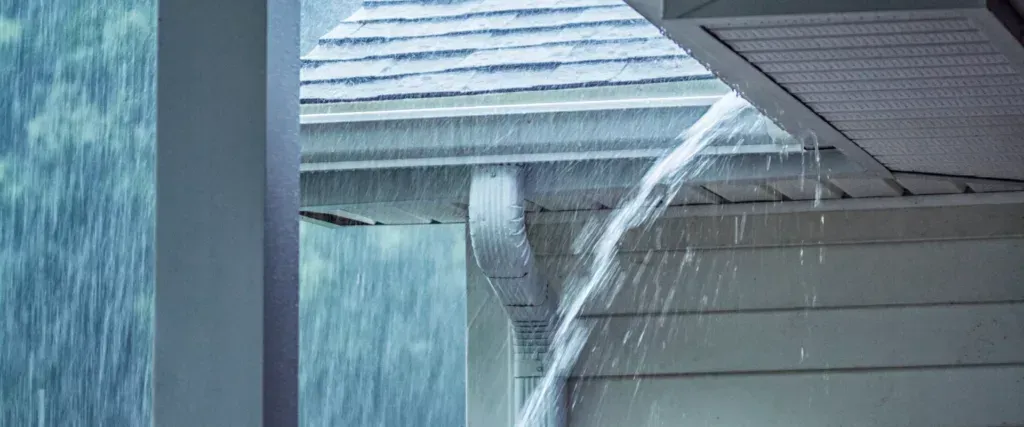
Clogged gutters can freeze quickly in winter, trapping snowmelt on the roof and forcing water beneath the shingles. This contributes directly to leaks and ice dam formation.
In late fall, clean all gutters and downspouts. Remove leaves, sticks, and debris so melting snow has a clear path to drain safely away from your roof and foundation.
3. Inspect and Repair Flashing and Sealants
Flashing—thin metal strips installed around roof penetrations—is particularly vulnerable to freeze-thaw cycles. When temperatures fluctuate, flashing and caulking can crack, lift, or pull away from surfaces, creating entry points for water.
Before winter arrives:
- Check flashing around chimneys, skylights, and vents
- Re-seal joints with winter-grade roofing sealant
- Replace any damaged flashing to prevent water intrusion
4. Remve Snow Safely and Strategically
Heavy snow loads can place thousands of pounds of pressure on your roof, particularly flat or low-slope systems. If you notice snow piling up after a major storm, it’s smart to remove it—carefully.
Use a roof rake with an extended handle to remove snow from the edges. Start from the bottom and work upward to avoid lifting shingles. Never chip at ice or walk on the roof yourself, as this can cause damage or injury.
If you’re dealing with frequent buildup or ice dams, it may be time to upgrade your attic ventilation or explore snow-melting systems.
5. Consider Installing Ice and Water Shield
During a re-roofing project, it’s wise to install an ice and water barrier underlayment, especially in vulnerable areas like eaves, valleys, and around chimneys. This self-adhering membrane adds an extra layer of leak protection during freeze-thaw conditions.
Many Owens Corning roofing systems include these components as part of a complete cold-weather solution, offering extra durability and peace of mind.
6. Schedule a Winter Roof Inspection
The best time to catch small problems is before they turn into big ones. A seasonal inspection by a trusted local roofer can identify:
- Missing or damaged shingles
- Soft spots in decking
- Gaps around flashing or vents
- Ice dam risk factors
- Moisture issues inside the attic
At
180 Contractors Roofing & Siding, we specialize in winter-ready roofing systems for Bloomfield Hills homes. Our team provides detailed inspections, maintenance, and emergency repairs designed to keep your roof protected during the coldest months.
As a certified Owens Corning Preferred Contractor, we offer high-performance roofing materials built to withstand Michigan’s most extreme temperatures—backed by strong warranties and trusted installation.
Read also our blog:
Preparing Your Roof for the Changing Seasons
Extreme cold may be a fact of life in Bloomfield Hills, but roof damage doesn’t have to be. With proper insulation, routine maintenance, and professional support, your roof can withstand whatever winter throws its way—season after season.